Overview
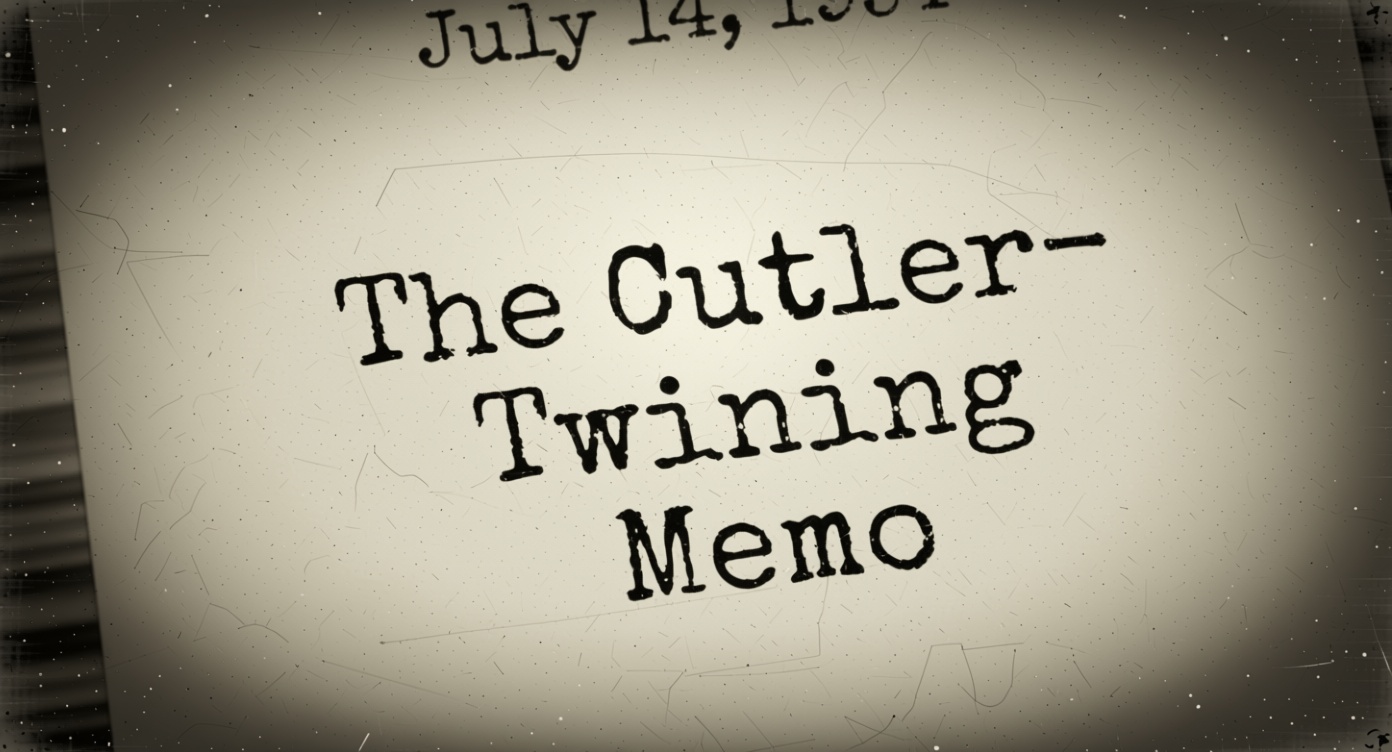
A 1987 National Archives and Records Administration (NARA) report is drawing fresh attention in UFO research circles for the way it revisits the controversial Cutler-Twining memo, one of the central documents tied to the disputed Majestic 12 (MJ-12) papers. The memo has long occupied a strange place in the history of UFO claims: cited by believers as a key piece of government evidence, and by skeptics as one of the strongest examples of how disputed archival material can fuel decades of speculation. The renewed interest comes amid ongoing online discussion about the document’s provenance, with researchers continuing to debate whether it reflects a genuine historical record or a later fabrication built around real names and institutions.
Why the memo matters
The MJ-12 documents emerged in the 1980s as alleged evidence of a secret government group formed to investigate UFOs after the Roswell incident. Among the papers most frequently discussed is the Cutler-Twining memo, purportedly linking senior military and White House figures to sensitive briefings and classified internal communications. Because of the memo’s association with high-ranking officials, it has often been treated as a cornerstone document by those who argue that the U.S. government concealed knowledge of non-human craft or related intelligence. However, from the beginning, the broader MJ-12 file set faced serious scrutiny over its origins, formatting, and archival consistency.
What the NARA report highlighted
According to the historical discussion referenced in the source material, the 1987 NARA report revisited problems with the memo’s authenticity and archival trail, reinforcing questions that had already been circulating among researchers and archivists. The significance of the report is not that it settled the matter, but that it underscored how difficult it is to verify controversial records when their chain of custody is incomplete or disputed. In the case of the Cutler-Twining memo, those problems have long included uncertainty over how the document entered circulation, whether its formatting matches contemporaneous government correspondence, and whether the paper trail supports the narrative built around it. For archivists, those are not minor issues; they go to the heart of whether a record can be reliably treated as historical evidence.
Broader archival mystery
The memo’s continuing relevance reflects a larger problem in UFO history: the tension between dramatic claims and imperfect documentation. MJ-12 materials have been examined, criticized, and reinterpreted for years, yet they remain part of the cultural and historical fabric of the topic because they sit at the intersection of secrecy, Cold War anxieties, and incomplete archives. The NARA report’s enduring value lies in that cautionary function. It shows how official records can become sites of controversy when documents are separated from their context, and how the absence of a clear archival record can be as important as the text of the document itself.
Continuing debate
For UFO historians, the Cutler-Twining memo remains less a settled fact than an ongoing test case in source evaluation. Its defenders see it as evidence that important materials may still be hidden in plain sight; its critics see it as a reminder that not every government-looking document is genuine. What the 1987 NARA report adds is a more grounded institutional perspective: before any extraordinary claim is attached to a paper trail, the paper trail itself must be established. In that sense, the memo’s legacy is not only about UFOs, but about the standards used to judge all disputed historical documents.