Overview
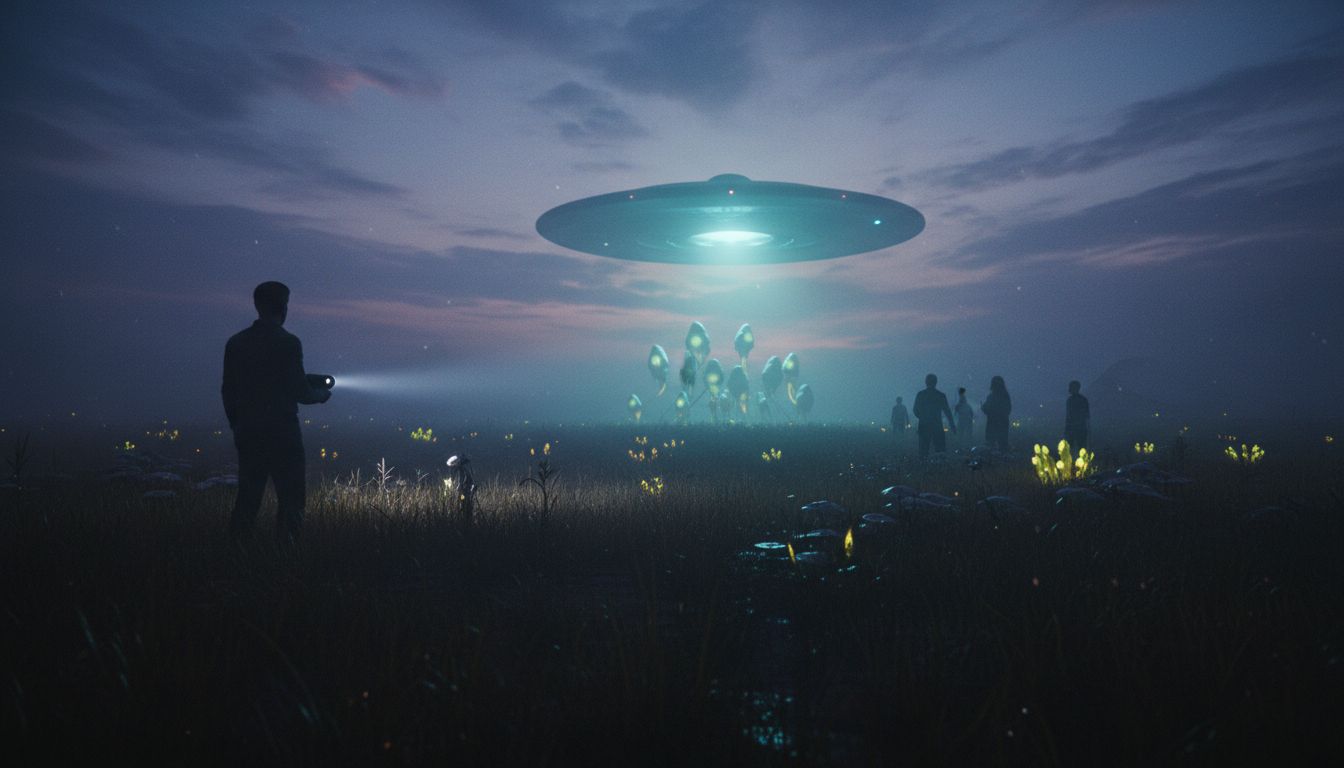
A new poll highlighted by Wired and reported by the South Florida Reporter shows that nearly 50 % of American adults now believe extraterrestrials have visited Earth. The shift marks a dramatic move away from uncertainty: respondents who previously answered “unsure” have dropped by roughly two‑thirds, indicating that more people are taking a definitive stance on the long‑standing UFO question. The findings arrive amid a growing wave of official disclosures about unidentified aerial phenomena (UAP), suggesting that public opinion is aligning with a broader cultural openness to the possibility of non‑human intelligence.
Key Poll Findings
The survey, conducted in late 2025, asked a nationally representative sample of adults whether they think alien beings have visited our planet. 49 % answered “yes,” while 42 % said “no,” and the remaining 9 % remained “unsure.” Compared with a similar poll from 2022, where only about one‑third expressed confidence in alien visitation, the increase is notable. Researchers noted that the “unsure” category shrank from 27 % to just 9 %, indicating that many respondents have moved from ambivalence to a concrete belief—whether affirmative or skeptical.
Partisan and Demographic Divide
The data reveal a clear partisan pattern. 51 % of Democrats and 49 % of Independents now say they believe aliens have visited Earth, while 42 % of Republicans share that view. Age, education, and geographic factors also play a role: younger adults (18‑34) are slightly more likely to endorse the belief than those over 55, and respondents with at least a college degree show marginally higher affirmation rates. Nonetheless, the overall trend cuts across traditional political lines, suggesting the issue is becoming less of a fringe curiosity and more of a mainstream conversation.
Context of Official UAP Developments
Public sentiment is shifting against a backdrop of increasing government transparency. In 2020 the Pentagon released three Navy‑captured videos showing “unidentified aerial phenomena,” a move that was reaffirmed in a 2023 Department of Defense statement describing the objects as still “unidentified.” Subsequent congressional hearings in 2024 and the establishment of an Office of UAP Investigation have kept the topic in the news cycle. Experts cited by Wired note that these official actions, combined with declassified reports documenting credible sightings, have helped legitimize the discussion and may be influencing public perception.
Implications and Outlook
The poll’s results suggest that belief in extraterrestrial visitation is edging toward the mainstream, a development that could affect future policy and research funding. Analysts warn that while public opinion is moving, scientific validation remains elusive; rigorous data collection and peer‑reviewed analysis are still required to move the conversation from speculation to evidence‑based conclusions. As the United States continues to grapple with the UAP phenomenon, policymakers may feel increased pressure to allocate resources for systematic study, and media outlets are likely to treat the topic with greater seriousness rather than relegating it to fringe reporting.


