Overview
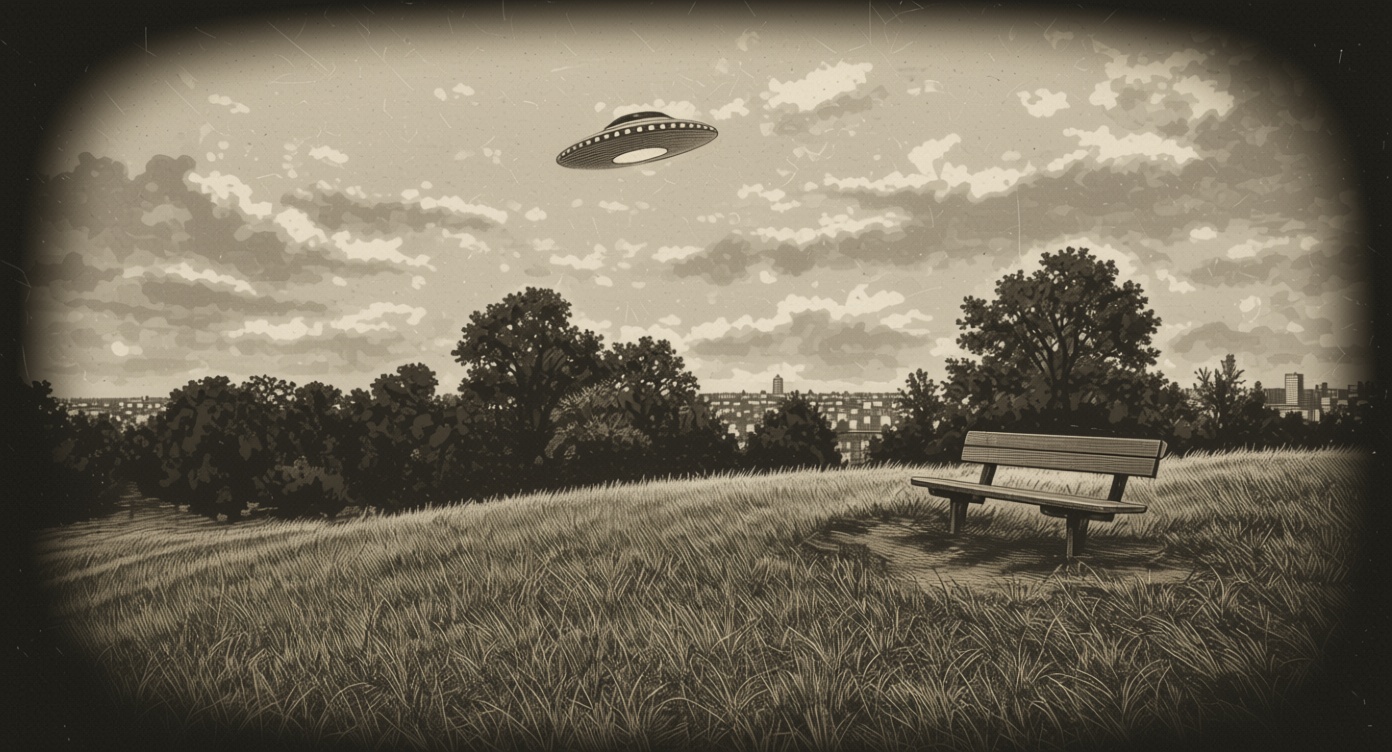
President Donald Trump issued an executive directive on February 21, 2026 ordering the Department of Defense and the Office of the Director of National Intelligence to release all remaining classified files on unidentified aerial phenomena (UAP). The move follows a series of partial disclosures that began in 2020 and accelerated after the 2023 congressional hearing on the subject. Within hours of the announcement, astrophysicist and public science communicator Neil deGrasse Tyson took to social media, quipping that officials should “just bring out the alien!” while acknowledging the broader significance of the government’s new level of transparency.
Background
The UAP program, formally known as the Unidentified Aerial Phenomena Task Force, was created in 2020 to investigate sightings reported by military pilots and sensors. In June 2023, the Office of the Director of National Intelligence released a 144‑page report that catalogued 174 incidents, many of which remained unexplained after analysis. Since then, Congress has pressed for more comprehensive data, culminating in the bipartisan “UAP Transparency Act” passed in late 2025. Trump’s latest order obliges agencies to declassify any remaining documents that do not compromise national security, a step that could add thousands of pages to the public record.
Tyson’s Reaction
Tyson posted a short video on his X (formerly Twitter) account, smiling as he read the headline. “If the government is finally going to be honest, just bring out the alien,” he said, adding, “We’ve been waiting for solid data for decades, and the scientific community is ready to look at it without jumping to sci‑fi conclusions.” He followed the joke with a more measured comment: “Transparency is essential, but we must also apply rigorous scientific methodology to whatever material is released.” Tyson’s blend of humor and advocacy reflects his long‑standing stance that extraordinary claims require extraordinary evidence.
Scientific Perspective
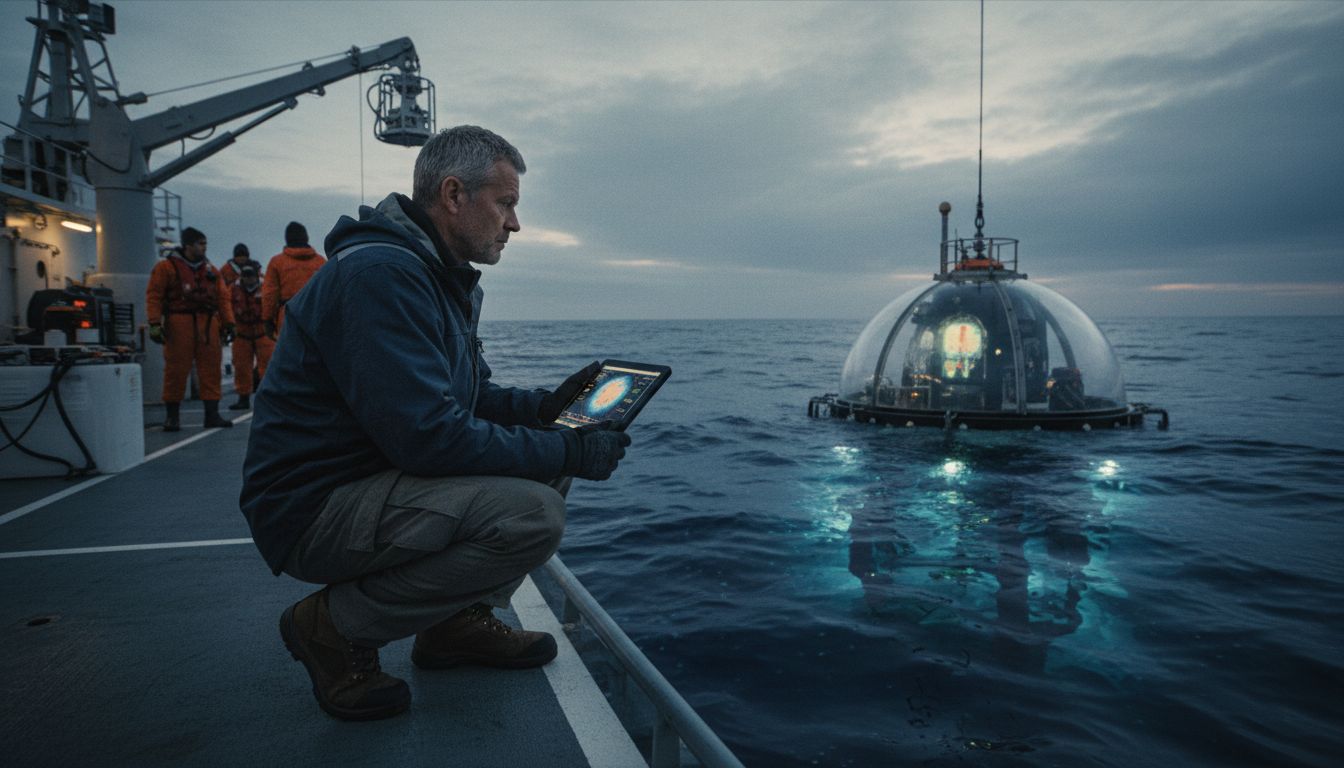
Astronomers, physicists, and aerospace engineers have long expressed cautious interest in UAP data. The American Astronomical Society’s Committee on Unidentified Phenomena issued a statement after the Trump directive, noting that “open access to high‑resolution sensor data, flight logs, and radar signatures” would enable peer‑reviewed analysis and could either illuminate new physics or reinforce conventional explanations such as sensor artifacts or classified aircraft. Dr. Sara Patel, a senior researcher at the SETI Institute, said, “If the files contain credible measurements, they could become a valuable dataset for the broader scientific community. Until then, speculation must give way to systematic study.”
Next Steps and Implications
The Department of Defense has set a 90‑day timeline to compile and redact the requested documents, a schedule that aligns with the fiscal year’s reporting requirements. Analysts anticipate that the released material will be published through the National Archives and made searchable online, similar to the 2023 declassification effort. Critics warn that selective redactions could still obscure key details, while civil‑liberties groups argue that full transparency is necessary to maintain public trust. Regardless of the outcome, the combined political pressure and scientific curiosity signal a new era of openness around phenomena that have long hovered at the fringe of mainstream discourse.
As the release date approaches, the scientific community, policymakers, and the public alike will be watching to see whether the files simply add to a catalog of unknowns or provide the concrete evidence needed to advance our understanding of the skies above.