Overview
The Pentagon has released 162 files related to unidentified flying objects, along with 41 minutes of video footage, in a move that adds new material to the public record on one of the government’s most closely watched and debated subjects. The release comes as U.S. officials continue to face pressure to make more information available about decades of sightings, reports, and military encounters now commonly grouped under the broader term unidentified aerial phenomena, or UAP.
The newly disclosed material is part of a wider effort to open up government-held records and respond to long-standing demands for transparency. For decades, UFO sightings have drawn intense public curiosity, skepticism, and speculation, but official disclosures have often been fragmented, heavily redacted, or limited to isolated incidents. By publishing a larger batch of files and video, the Pentagon is offering a more substantial look at what has been collected over time, even if many questions remain unanswered.
What Was Released
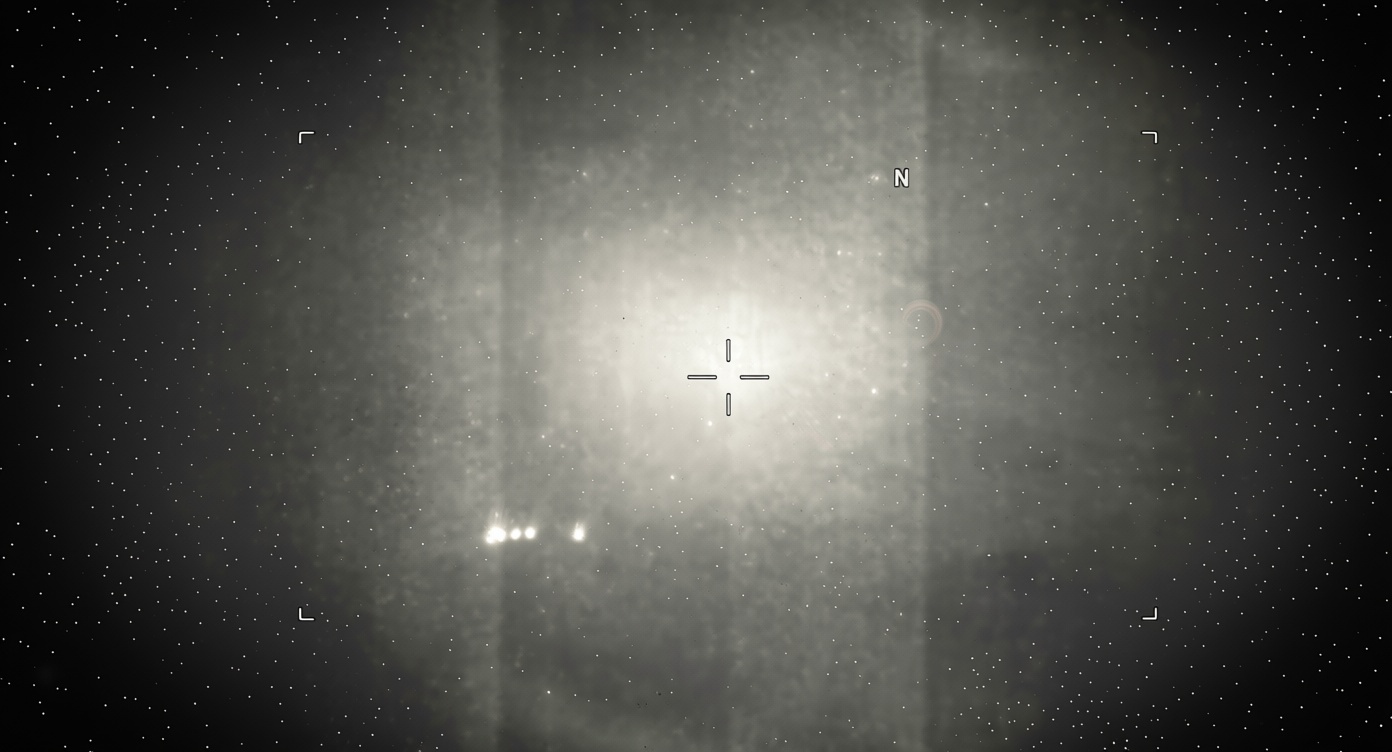
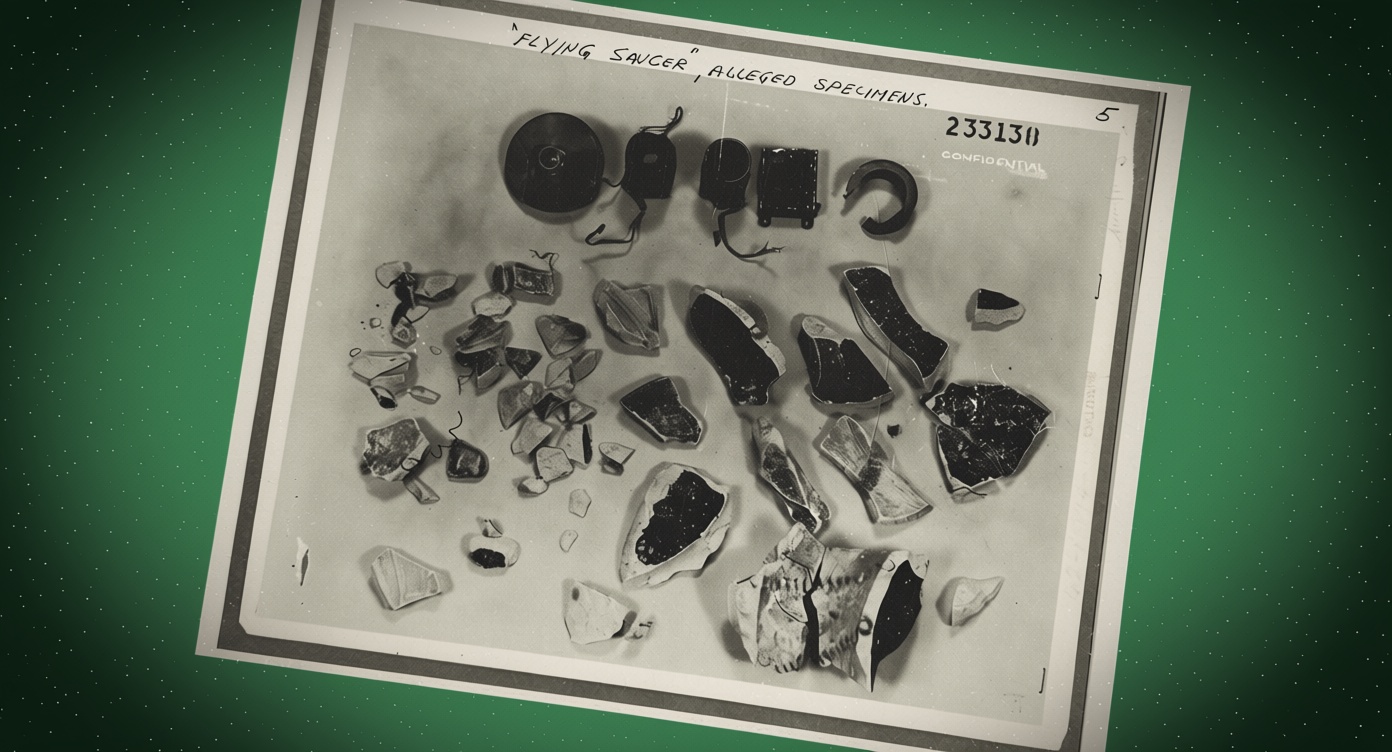
According to the information provided, the release includes 162 files and 41 minutes of video footage, underscoring the scope of the Pentagon’s records on UFO-related reports. While the materials themselves were not detailed in the source summary, the sheer volume suggests a broad archive spanning multiple years and possibly multiple types of sightings or reports.
For researchers, journalists, and the general public, such releases are important not because they necessarily prove extraordinary claims, but because they help establish what the government has observed, documented, and preserved. In UAP reporting, the distinction between anecdotal sightings and verified evidence is critical. Video and archival files can help separate what was seen from what can be conclusively explained, or not explained, by investigators.
Transparency and Public Interest
The latest release follows promises of greater transparency surrounding government-held UFO data, reflecting a shift in tone from the era when such reports were often dismissed or kept at the margins of official discussion. That change has been driven in part by rising public interest, the spread of high-profile military footage, and bipartisan concern in Washington that unexplained aerial incidents deserve serious review.
The Pentagon’s disclosures also come against the backdrop of a broader national conversation about how the government handles UAP evidence. In recent years, officials have increasingly acknowledged that many incidents do not have immediate explanations, while also cautioning against leaping to conclusions. That balancing act — recognizing legitimate mysteries without fueling unsupported theories — has become central to the official approach.
Why It Matters
The release of these files is unlikely to settle the UFO debate, but it does reinforce a notable trend: the U.S. government is making more of its UAP-related record available than it once did. For those who follow the issue closely, each new disclosure provides another piece of a larger puzzle, whether the incidents turn out to involve advanced technology, misidentified objects, atmospheric conditions, or something else entirely.
What remains clear is that public interest in UFOs has not diminished. If anything, the growing willingness of officials to acknowledge unresolved sightings has only increased demand for more data, more context, and more accountability. The Pentagon’s latest release is another step in that direction — one that may not answer every question, but does add to the historical record of a subject that continues to captivate both scientists and the public alike.