Overview
The Telegraph’s recent obituary of Nick Pope marks the passing of one of Britain’s most recognizable figures in the study of unidentified aerial phenomena (UAP). Best known for his tenure as the Ministry of Defence’s (MoD) UFO desk officer in the late 1980s and early 1990s, Pope later turned his experience into a prolific writing and broadcasting career, most notably with the book Open Skies, Closed Minds. The piece highlights both his investigative work within the government and his continued push for greater transparency on the subject of unexplained aerial sightings.
Career at the Ministry of Defence
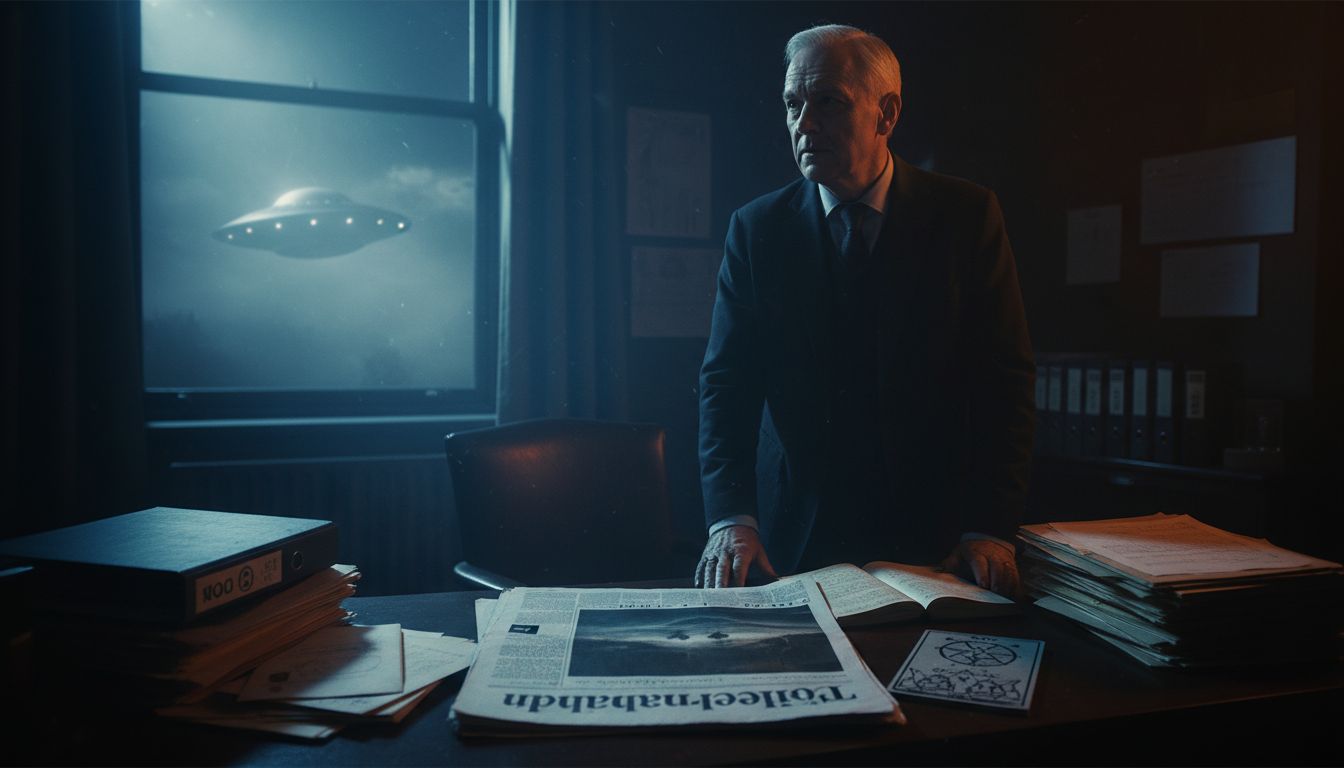
Pope joined the MoD’s Defence Intelligence Staff in 1985 and was appointed to the newly created UFO desk in 1986, a role he held until the department’s formal project was shut down in 1991. During that period he reviewed more than 12,000 reports, ranging from routine aircraft sightings to incidents that defied conventional explanation. In a 2023 interview Pope recalled, “We weren’t chasing science‑fiction; we were trying to separate the mundane from the genuinely puzzling, because any threat—whether from a foreign power or an unknown technology—had to be taken seriously.” His work helped establish the first systematic catalogue of UAP data in the UK, a legacy that continues to inform contemporary investigations.
Open Skies, Closed Minds
Published in 2024, Open Skies, Closed Minds combines Pope’s de‑classified MoD files with decades of public and private research. The book argues that a “culture of secrecy” within defence establishments has hampered objective analysis of credible sightings. Pope writes, “When the public is denied access to the very data that fuels speculation, mistrust grows, and the line between fact and folklore blurs.” Reviewers praised the work for its measured tone, noting that Pope “balances personal anecdotes with rigorous documentation,” a contrast to more sensationalist UAP literature. The book’s release coincided with a broader international shift, as several governments—including the United States—began to release their own UAP assessments.
Ongoing Advocacy for Transparency
Since leaving the MoD, Pope has remained a vocal advocate for open government handling of UAP reports. He has appeared on BBC Radio 4’s Today programme, contributed to documentaries for the History Channel, and regularly writes columns for The Guardian and The Telegraph. In a recent parliamentary hearing, a senior MoD official cited Pope’s “persistent, evidence‑based approach” as a factor in the decision to establish the UK’s current UAP task force. Pope himself told the committee, “Transparency is not a concession; it is a necessity for public confidence and for the scientific community to engage meaningfully with the data.”
Legacy and Impact
Nick Pope’s career straddles the line between official defence work and public engagement, making him a rare bridge between classified investigation and mainstream discourse. Colleagues remember him as “methodical, skeptical yet open‑minded,” qualities that helped shape the MoD’s early UFO protocols. His post‑service efforts have contributed to a growing consensus that UAPs merit systematic study rather than dismissal. As the obituary notes, Pope’s influence extends beyond his publications; it lies in the gradual shift toward institutional openness that now characterises much of the UK’s approach to unexplained aerial phenomena. In an era where governments worldwide are reevaluating secrecy around the skies, Pope’s lifelong commitment to “open skies” continues to resonate.