Overview
In the wake of the U.S. government’s recent declassification of top‑secret Unidentified Anomalous Phenomena (UAP) files, the International Academy of Astronautics (IAA) has released an updated set of eight principles governing the Search for Extraterrestrial Intelligence (SETI). The most striking provision advises that no reply should be sent to any potential extraterrestrial signal until a rigorous, internationally coordinated review is completed. The protocol, drafted between 2022 and 2025 and finalized earlier this month, aims to balance scientific curiosity with global security and diplomatic considerations.
Background
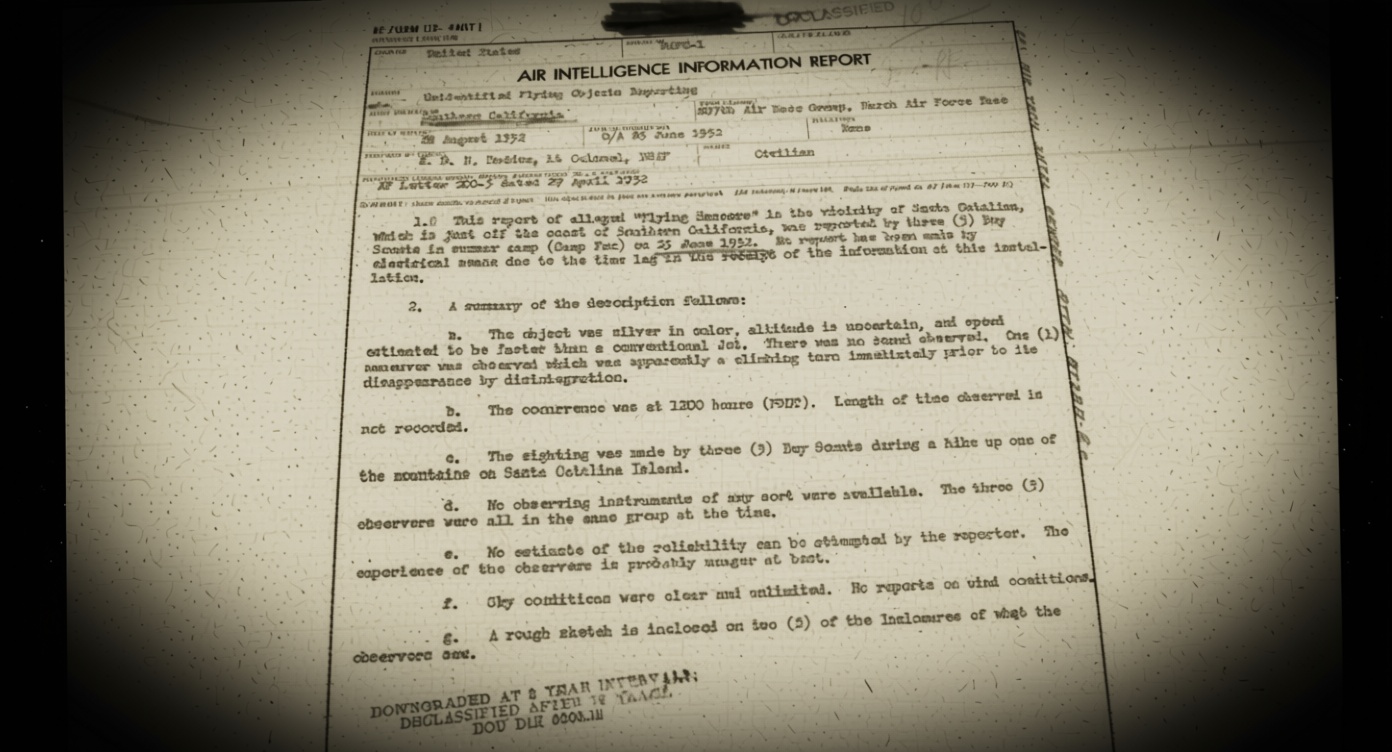
The declassified material, released in two batches in May 2026, includes FBI case files, pilot testimonies, and video footage captured by military aircraft that depict unexplained aerial objects. Among the historical anecdotes cited by the IAA is the 1972 Apollo 17 mission, during which crew members reported “bright sparks” in space reminiscent of a “Fourth of July” display. Such accounts, now part of the public record, have intensified calls for a formal framework to manage any future detection of intelligent signals.
Key Elements of the New Protocol
The eight principles, available in a public PDF on the IAA website, outline a step‑by‑step approach for handling suspected extraterrestrial communications:
- Scientific verification – Any anomalous signal must be examined by multiple independent teams using diverse instruments and methods. The IAA stresses that “the highest standards of scientific responsibility and integrity” be upheld throughout this process.
- International collaboration – Findings should be shared promptly with the global scientific community, the United Nations, and other representative bodies.
- Secure archiving – Data must be stored in protected repositories worldwide to prevent tampering or loss.
- Public disclosure – If the existence of an intelligent source is confirmed, the information should be released to the public without delay.
- Non‑engagement – Until all consultations are concluded, no reply should be transmitted. The document states: “Pending the outcome of such consultations, no reply should be sent. These consultations should be conducted through the United Nations and other broadly representative international bodies.”
The protocol also calls for “prompt, accurate and honest” communication with the public regardless of the signal’s ultimate classification, emphasizing transparency while avoiding premature speculation.
International and Scientific Reaction
The release has drawn measured responses from both governmental and academic circles. Dr. Elena Martínez, a senior SETI researcher at the University of Barcelona, described the guidelines as “a prudent, science‑first approach that acknowledges the profound geopolitical implications of contact.” Meanwhile, a spokesperson for the United Nations Office for Outer Space Affairs (UNOOSA) confirmed that the agency is reviewing the IAA’s recommendations and will convene an expert panel later this year to discuss possible treaty frameworks.
Critics, including some libertarian think‑tanks, argue that the “no‑reply” rule could hinder humanity’s chance to engage in a historic dialogue. The IAA, however, counters that premature transmission could expose Earth to unforeseen risks and that “the safety of the planet must remain the paramount concern.”
Looking Ahead
As the U.S. continues to release additional UAP documentation, the scientific community anticipates a surge in data that will test the new protocol’s efficacy. Researchers are already preparing coordinated observation campaigns, and several nations have expressed interest in establishing joint verification facilities. The IAA’s stance signals a shift from speculative enthusiasm toward a disciplined, collaborative framework—one that seeks to ensure that, should humanity ever receive a genuine extraterrestrial message, the response will be carefully considered, globally vetted, and responsibly executed.