Overview
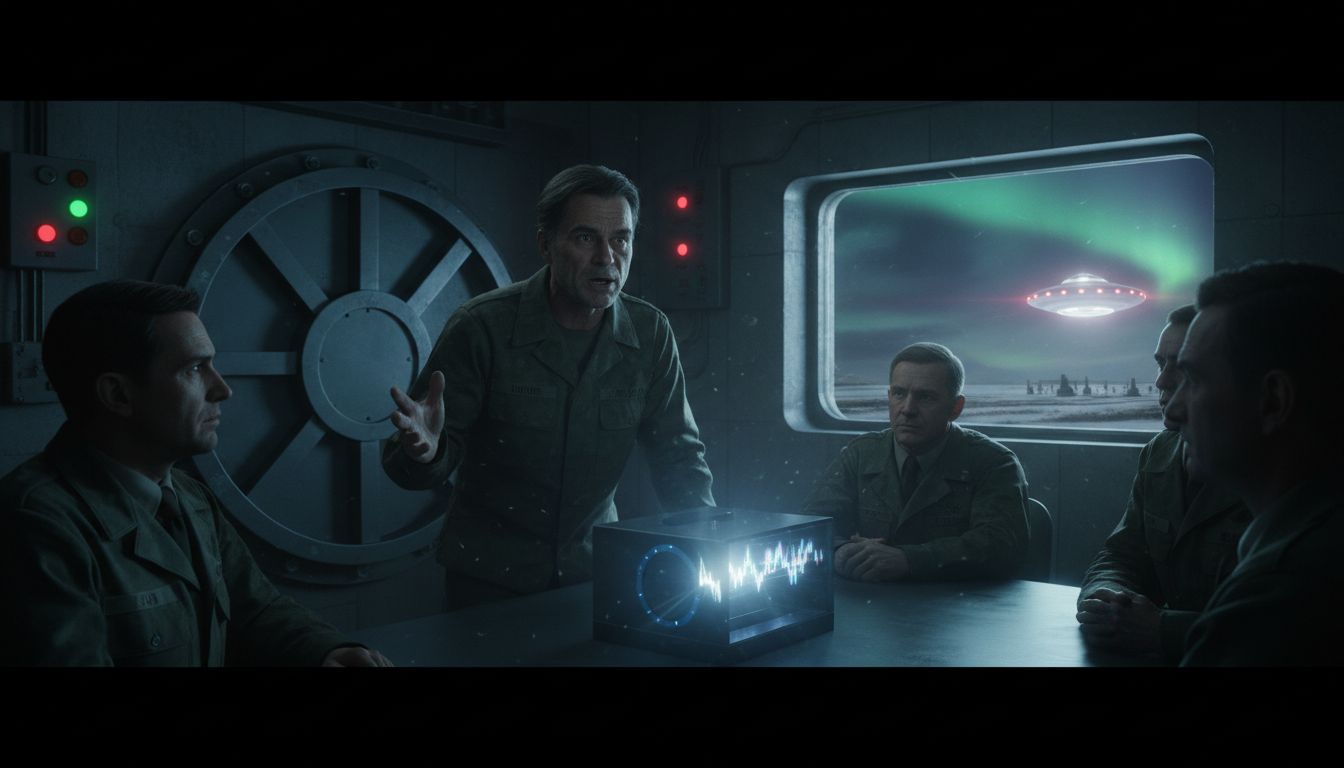
A former Air Force security policeman, Terry Lovelace, has publicly recounted a 1977 incident that he says occurred while he was on night‑watch at a Minuteman missile installation in North Dakota. In an interview released by the YouTube channel Nuclear Missile Guard, Lovelace describes an encounter with a humanoid figure and several other entities that allegedly entered the site through a “transparent portal.” The testimony joins a growing collection of UAP (unidentified aerial phenomena) reports from military personnel, including former missile crew chief Robert Salas, who have spoken about anomalous events near nuclear weapons facilities. As the Department of Defense’s Unidentified Aerial Phenomena Task Force continues to release declassified material, media outlets are increasingly covering these claims, underscoring the potential significance of unexplained phenomena in proximity to high‑risk arsenals.
Witness Account
According to Lovelace, the encounter took place during a heavy fog on the night shift at “Site D5.” While stationed in the guard shack, he observed a figure emerging from the mist, dressed in a military‑style trench coat and cap. He initially thought the individual was a senior officer, but the figure’s approach reportedly induced a sudden, overwhelming terror. Lovelace says he attempted to draw his .38‑caliber revolver, only to experience a complete paralysis of his right arm. He fled back into the shack, felt an external pressure on his mind, and then lost consciousness. When he regained awareness, Lovelace describes being inside a circular room with a floor portal that offered a view of a neighboring missile site, “Site D11.” He claims the entity communicated telepathically, instructing him not to look directly at it while it showed him the surrounding base.
Claims Regarding Nuclear Safety
Lovelace’s narrative includes several specific assertions about the entities’ motives. He reports that the humanoid apologized for the fear it caused and explained that its presence was an obstacle to a mission involving the collection of “intelligence and computer data” from the missile complex. The being allegedly conveyed three core messages:
- Preventing Catastrophe – the entities would intervene to stop humanity from initiating a nuclear war.
- Monitoring Technology – they were gathering data to enable the disabling or interception of missile launches if necessary.
- Multiple Species – not all non‑human visitors are benevolent, suggesting a diversity of extraterrestrial actors.
These points echo themes found in other military‑related UAP testimonies, where witnesses have described perceived “protective” intentions toward Earth’s nuclear infrastructure.
Context and Comparison
Lovelace’s account is not isolated. In 2018, former missile crew chief Robert Salas testified before a Senate subcommittee that a “UFO” hovered over a Minuteman silo shortly after a launch alarm, prompting a temporary shutdown of the system. Similar narratives have emerged from Navy pilots and radar operators who have reported objects displaying flight characteristics beyond known technology. While the Department of Defense has acknowledged the existence of UAPs, it has not confirmed any direct link between these phenomena and nuclear weapon control systems. Researchers caution that anecdotal evidence, especially when conveyed through third‑party media channels, requires rigorous verification before drawing operational conclusions.
Media Coverage and Implications
The release of Lovelace’s interview has been picked up by a range of outlets, from mainstream news services to specialized UFO investigative sites. Reporters have highlighted the “potential seriousness” of unexplained phenomena near weapons‑grade facilities, noting that any interference—whether real or perceived—could have national security ramifications. Defense analysts stress that, regardless of the veracity of individual accounts, the pattern of reports warrants systematic study. The Pentagon’s UAP office, now operating under the name All‑Domain Anomaly Resolution Office (AARO), is tasked with evaluating threats posed by unknown aerial objects, including possible impacts on critical infrastructure.
Conclusion
While Terry Lovelace’s description of a night‑time encounter at a missile guard post


