Overview
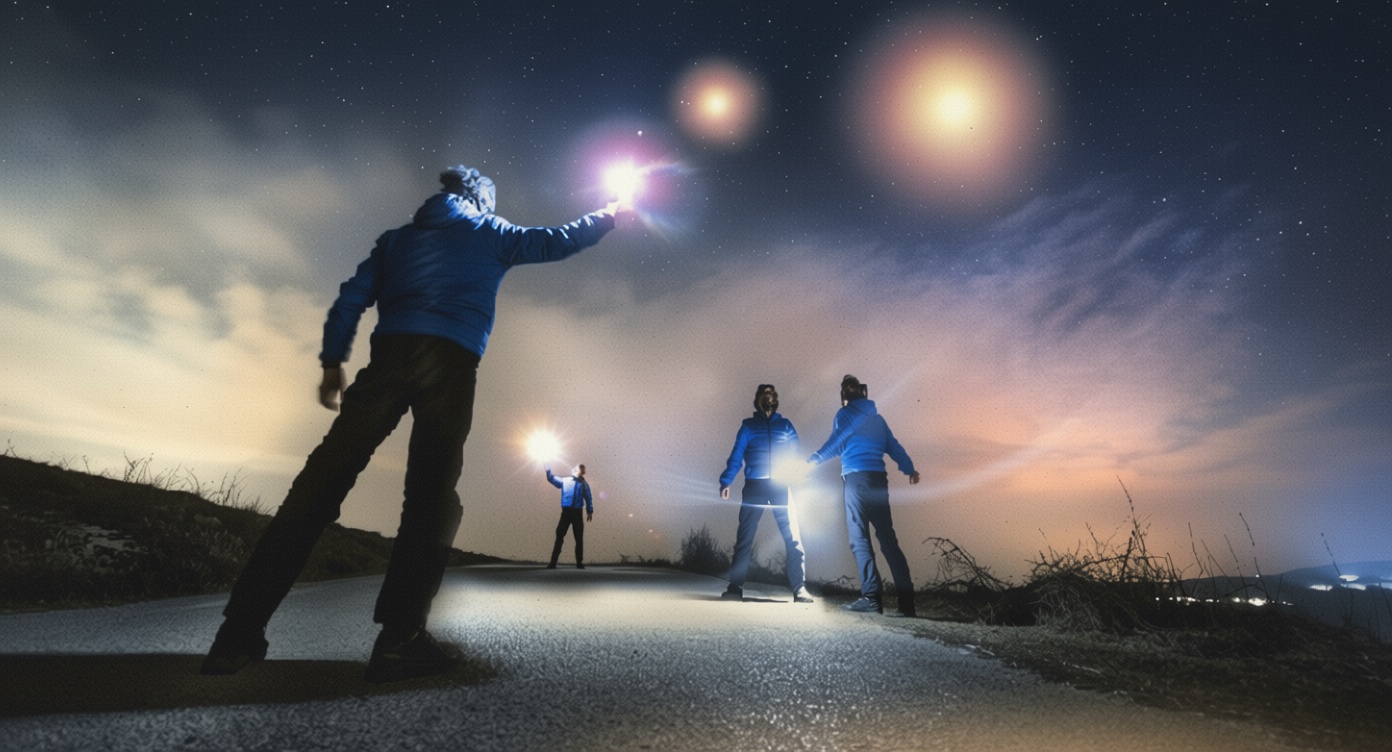
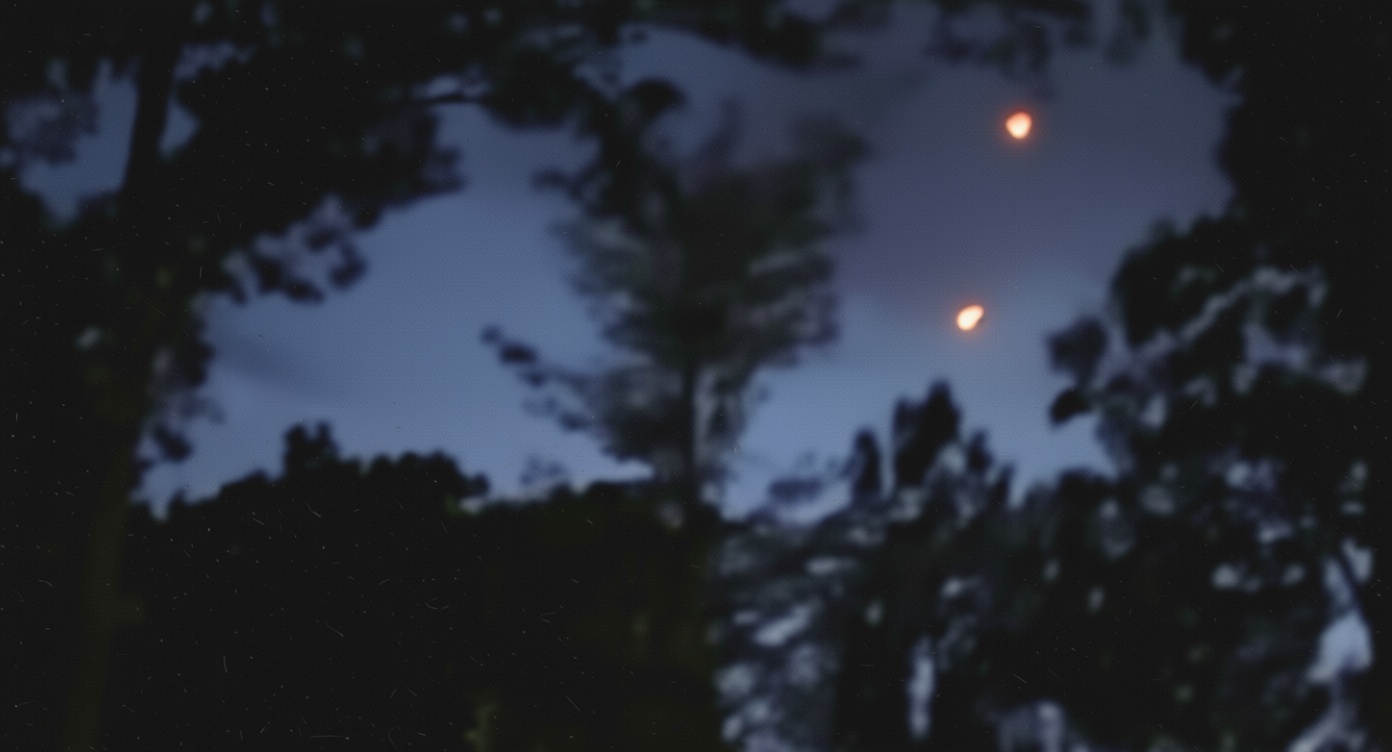
Astrophysicist Avi Loeb is urging a more rigorous scientific approach to reports of mysterious orbs and fireballs, arguing that such sightings should not be casually dismissed as misidentifications or folklore. In a recent Medium essay, Loeb frames these events as potentially valuable data points for understanding Unidentified Anomalous Phenomena (UAP), especially when they are captured on camera and released by official channels. He points to the newly launched public website of the UAP Science Advisory Council for the U.S. Government, which he says is intended to help investigate these cases scientifically, rather than relying on speculation or stigma.
Why Fireballs Matter
At the center of Loeb’s argument is a basic physical principle: if an object is visible to cameras, it must interact with light and, by extension, with the surrounding air. If it is moving at extreme speed through the atmosphere, he writes, it should produce a shock wave, intense heating, and a bright plasma fireball — along with a sonic boom. Loeb argues that this would be true regardless of how the object is propelled, whether by conventional means or something unknown. In other words, he suggests that any rapidly moving UAP seen in air should leave behind a measurable energetic signature, and that signature may be as important as the object itself.
Theoretical Claims and Speculation
Loeb extends that reasoning to more speculative ideas sometimes discussed in UAP research, including warp drives or other spacetime-bubble concepts. He says that if a structure of that kind moved through the atmosphere at near-light speed, it would force air molecules to collide violently, heating the surrounding air enough to generate a fireball similar to those produced by large meteors or even explosions. In the article, he estimates that for a UAP roughly 10 meters in size, the energy released could, in theory, exceed the Sun’s luminosity over extremely brief intervals and total energy could approach 50 megatons of TNT over a light-crossing time. Those calculations are highly theoretical, but Loeb presents them as a reason to take fireball-like UAP reports seriously and to measure them carefully.
Scientific and Government Context
The essay also situates the discussion within a growing institutional framework. Loeb says the advisory council’s mission is to examine UAP reports from entities including the Office of the Director of National Intelligence, the Pentagon’s All-Domain Anomaly Resolution Office, the White House, the FBI, and the intelligence community. He notes that the issue has already been discussed in public venues, including a June 25 Senate science panel at the UAP Disclosure forum, where theoretical explanations such as spacetime distortion were raised. That broader context matters because it suggests the conversation is increasingly moving from the fringes into policy and scientific review.
What Comes Next
Loeb’s larger point is not that every orb or fireball is extraterrestrial, but that better observation and analysis are needed before conclusions are drawn. He argues that the scientific method should be applied to these reports with the same discipline used in astronomy, atmospheric science, or defense analysis: collect the data, test the hypotheses, and follow the evidence where it leads. Whether the explanations turn out to be natural phenomena, human-made objects, or something still unexplained, Loeb’s article reflects a growing push among some researchers to treat UAP sightings as a serious empirical problem rather than a novelty.