Overview
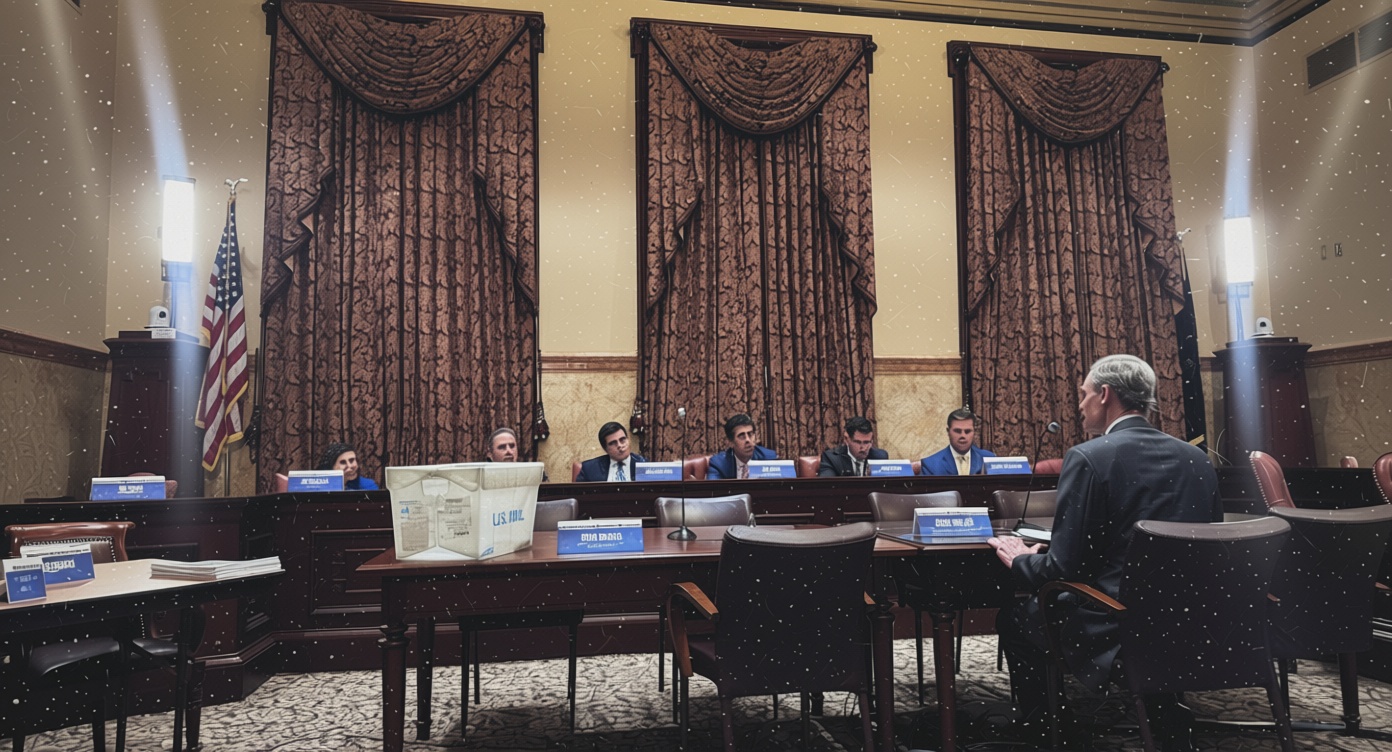
A Pennsylvania House committee recently devoted part of its agenda to a topic more often associated with science fiction than state government: aliens from outer space. But beneath the attention-grabbing framing, the discussion appeared to be less about little green men than about how lawmakers should approach unidentified flying objects, or UFOs, now commonly called unidentified anomalous phenomena, or UAPs. The hearing underscored a broader question increasingly facing legislators across the country: when citizens, pilots, or even military personnel report unexplained sightings, what role should government play in investigating them?
Why lawmakers are looking at the issue
The committee’s interest reflects a wider shift in how public officials are treating the subject. For decades, UFO reports were often dismissed or relegated to the margins of public debate. Today, however, UAPs have become a subject of serious policy discussion in Washington and in state capitals, thanks to a growing body of reports, federal transparency efforts, and lingering questions about what exactly is being observed in the skies. In Pennsylvania, the committee’s conversation seemed aimed at understanding not only the sightings themselves, but also why elected officials are being asked to take the matter seriously.
That distinction matters. Lawmakers are not necessarily trying to prove extraterrestrial origins; rather, they are weighing whether the phenomenon has implications for public safety, aviation, emergency response, and government transparency. In that sense, the hearing was less about speculation and more about governance. If a resident reports a strange aerial object, or if a trained observer documents something unidentifiable, the question becomes whether the state has any mechanism to collect, review, or refer that information.
Broader context around UFOs and UAPs
The Pennsylvania discussion fits into a national moment of renewed attention on unexplained aerial activity. Over the last several years, federal agencies have increased the number of formal reports and public briefings related to UAPs, while congressional committees have held hearings on how sightings are recorded and analyzed. That has helped move the topic away from the fringe and into mainstream policy circles. Even so, the debate remains highly sensitive: credible observers may describe something they cannot identify without that observation amounting to proof of anything extraordinary.
For state lawmakers, that creates a challenge. They must balance public curiosity with institutional restraint, avoiding sensational claims while acknowledging that unexplained reports can be real and worthy of documentation. The Pennsylvania committee’s discussion appears to have reflected that tension. Rather than endorsing any extraordinary explanation, the meeting highlighted a basic civic question: what should government do when people say they have seen something they cannot explain?
What the discussion could mean going forward
The practical significance of the committee’s engagement may be less about answers than about legitimacy. By putting the subject on the record, lawmakers signal that UFO and UAP reports are not automatically outside the scope of public policy. That could open the door to future conversations about reporting channels, recordkeeping, or coordination with federal agencies. At the same time, it may reassure residents that unexplained sightings are being treated with seriousness rather than ridicule.
For now, the Pennsylvania House committee’s look at “aliens from outer space” serves as a reminder that the modern UAP conversation is really about information, accountability, and public trust. Whether the sightings turn out to have mundane explanations or point to something still unknown, elected officials are increasingly being asked to confront a subject once considered too strange for the legislative floor.