Overview
The Pentagon on Friday began releasing declassified UFO files gathered from multiple federal agencies, opening a new public archive that includes material dating back to the late 1940s. The documents, which the Department of Defense said include “never-before-seen” records on unidentified flying objects — now officially referred to by the U.S. government as unidentified anomalous phenomena (UAPs) — are being posted on a new government website. In a statement, the Pentagon said the public can now access “the latest UAP videos, photos, and original source documents from across the entire United States government,” adding that “no clearance [is] required.”
What the Release Includes
According to the Pentagon, the release is part of a broader effort to make declassified UAP material available on a rolling basis, suggesting more files will be added over time. The public repository is intended to centralize records that were previously scattered across agencies and archival systems, giving researchers, journalists, and the general public a clearer view of how the government has documented unexplained aerial sightings over the decades. Some of the newly available records reportedly reach back to the early postwar years, underscoring how long U.S. agencies have tracked unusual aerial events.
Patterns in the Files
ABC News, which reviewed portions of the material, reported that many of the sightings appear clustered near active military operations. A significant number of the alleged encounters date to the 1950s and 1960s, particularly in Cold War-era regions such as Germany and the Soviet Union. More recent reports are concentrated in the Middle East, including areas near the Strait of Hormuz, Iraq and Syria, where the U.S. has maintained a substantial military footprint and some of its most advanced monitoring systems. The concentration near military activity likely reflects both where sophisticated sensors are deployed and where pilots and personnel are most frequently operating, according to the files.
Notable Incidents
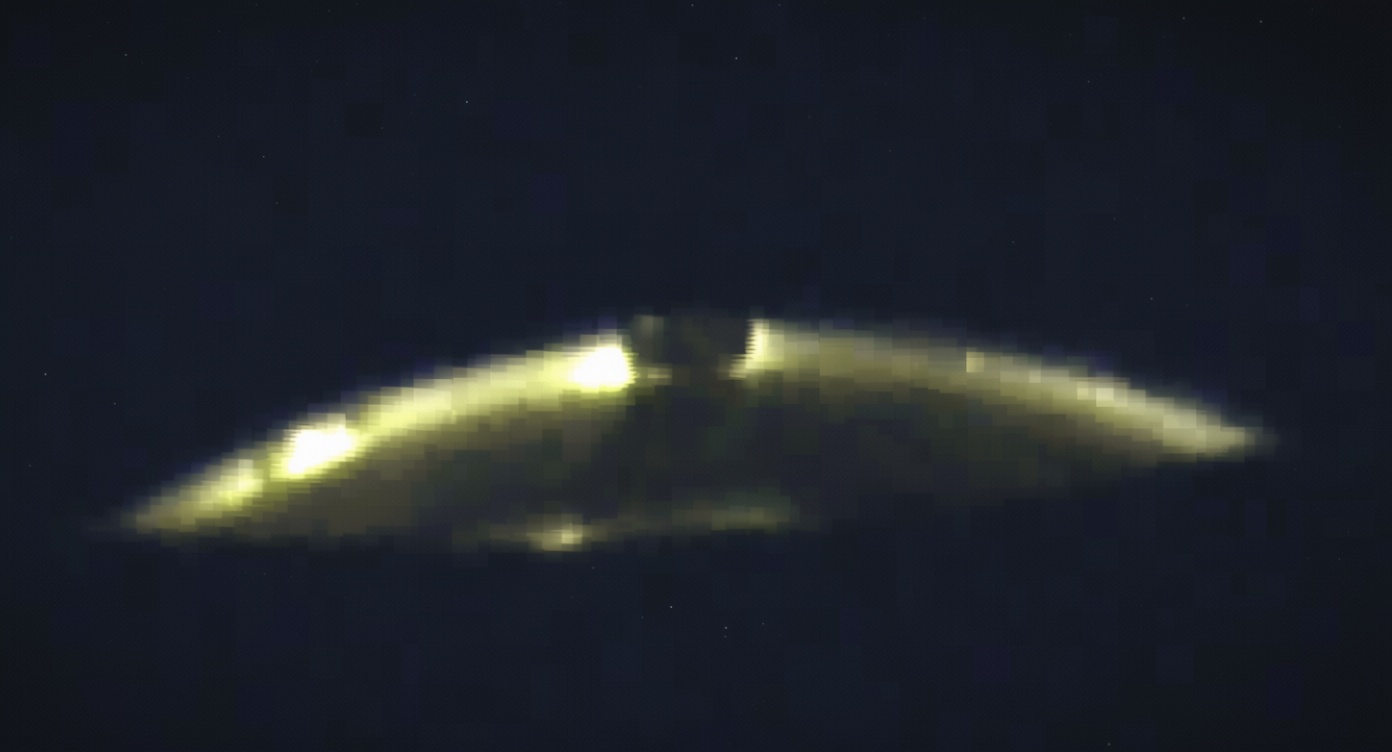
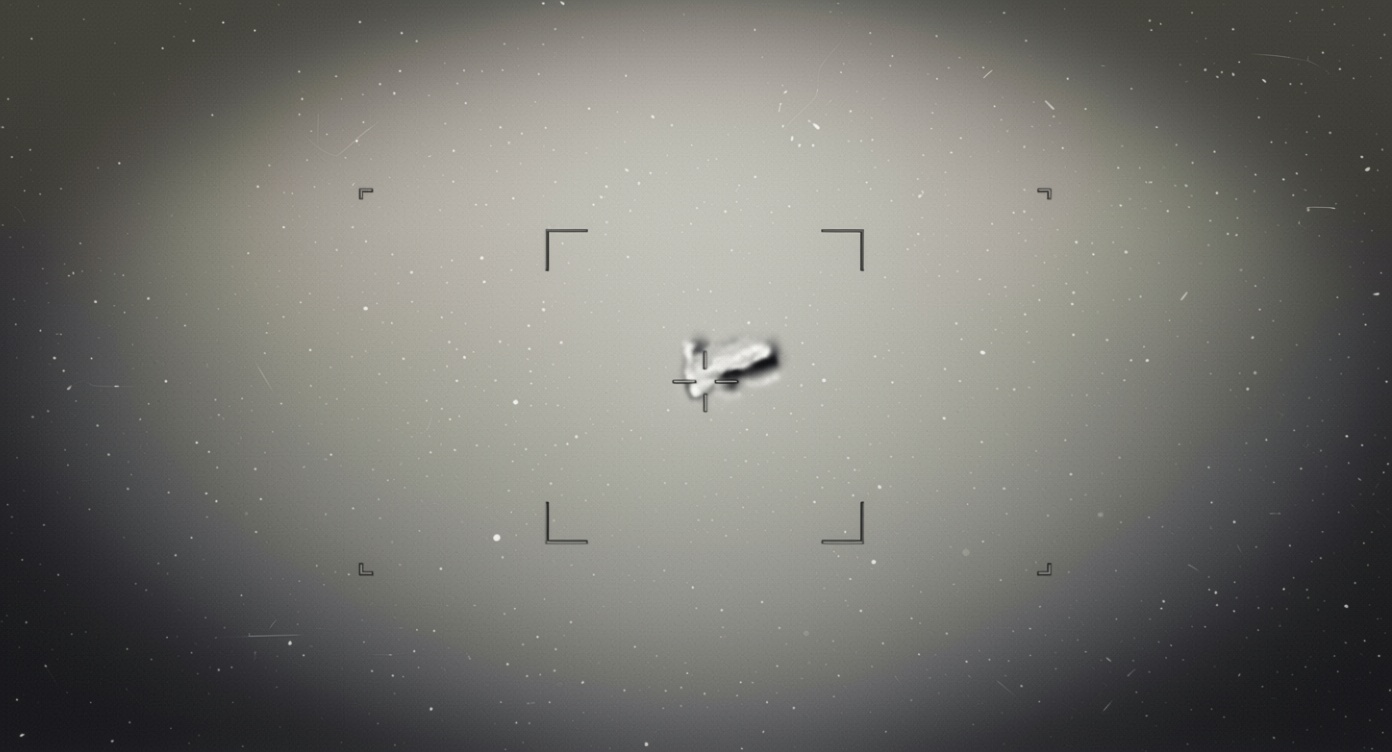
The records include several incidents that officials appear to regard as especially noteworthy, though the Pentagon said none posed an apparent threat. Most encounters reportedly ended when the objects abruptly departed the area. One of the most compelling accounts involved a two-day episode over the western United States in 2023, in which federal law enforcement officers independently described unusual orb-like activity, including one report that “orbs [were] launching other orbs.” The Pentagon described that case as “among the most compelling” in its files. Another incident from Iraq in 2024 described a mysterious object moving across a U.S. aircraft’s surveillance systems at high speed while the crew was engaged in an unrelated attack.
Transparency and Ongoing Scrutiny
The release reflects the government’s continued push toward greater transparency on UAPs, a topic that has moved from the margins of public debate into mainstream policy and oversight discussions. While the files do not establish what the objects were, they do provide a rare look at how military and federal agencies documented unexplained sightings over time. By consolidating videos, images, and original source documents in one place, the Pentagon appears to be signaling that it wants the public to see the evidence firsthand — even as many cases remain unresolved.