Overview
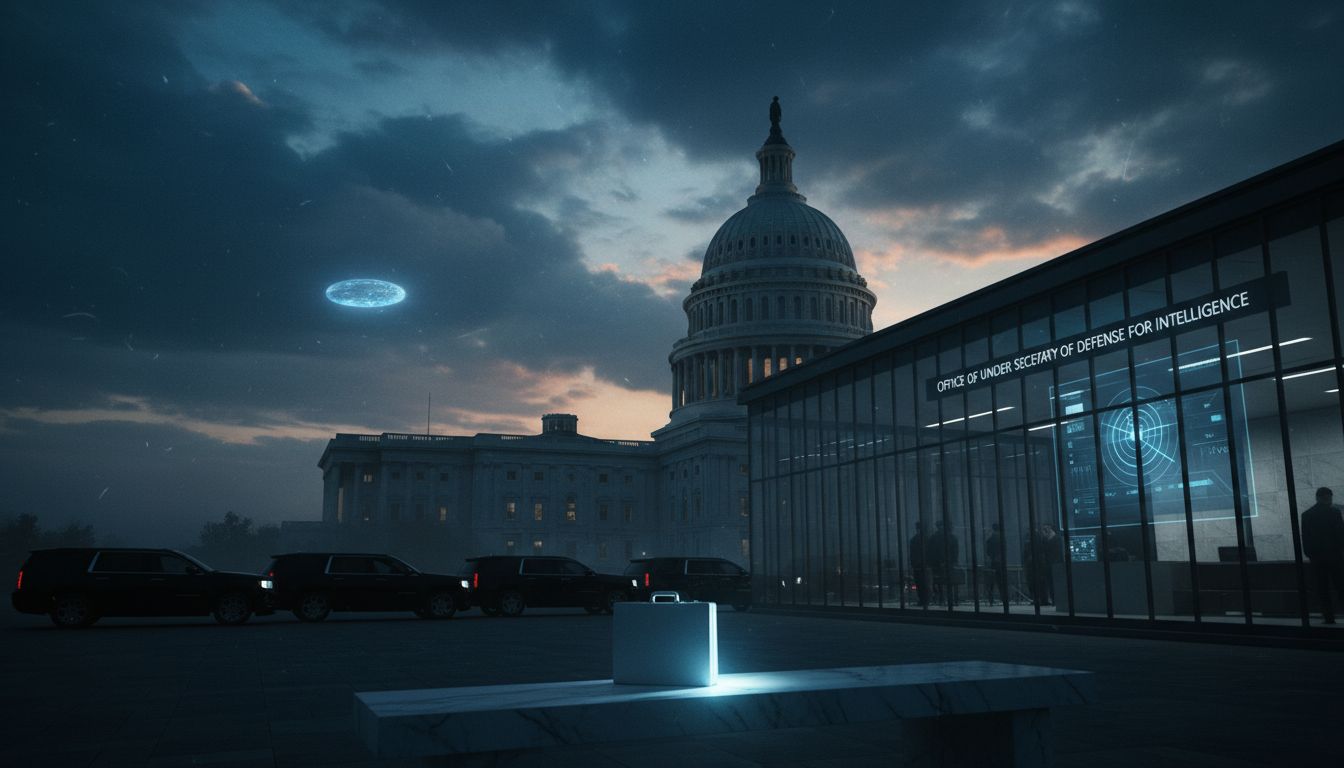
The U.S. House of Representatives is poised to vote on a bill that would eliminate the Pentagon’s Unidentified Aerial Phenomena (UAP) office, a unit created in 2022 to centralize analysis of anomalous aerial sightings. Sponsored by Rep. Tim Burchett (R‑TN), the legislation would dissolve the office and shift its responsibilities to the Office of the Under Secretary of Defense for Intelligence (USD(I)). Proponents argue the change streamlines oversight and integrates UAP investigations into existing intelligence structures, while critics warn it could reduce transparency and diminish the momentum built since the 2023 congressional mandate for a formal UAP report.
Legislative Action
The bill, introduced on April 3, 2026, amends the National Defense Authorization Act to repeal the statutory authority that established the UAP office within the Office of the Secretary of Defense. If enacted, the USD(I) would inherit the office’s staff, data repositories, and ongoing investigative protocols. “Consolidating UAP analysis under the intelligence community ensures that any national‑security implications are evaluated with the same rigor applied to other threats,” Burchett said in a floor statement. The measure has garnered bipartisan support from members who view the current office as redundant, but it also faces opposition from a coalition of former defense officials and congressional oversight committees who stress the need for an independent, publicly accountable entity.
Implications for Transparency
Since the release of the 2023 UAP Assessment Report, which documented 144 incidents and concluded that most remain unexplained, the Pentagon’s UAP office has been a focal point for public and legislative scrutiny. Advocates for the office contend that its existence has fostered a degree of openness previously unseen in the realm of UFO investigations. “The office has been instrumental in declassifying credible sightings and providing a channel for pilots and sensor operators to report anomalies without fear of stigma,” noted Dr. Leslie Hawkins, a former senior analyst at the Defense Advanced Research Projects Agency. Moving the function under USD(I) could limit such disclosures, as intelligence agencies are generally subject to stricter classification rules and less frequent public briefings.
Reactions from Stakeholders
The proposal has sparked a lively debate among lawmakers, defense experts, and UFO advocacy groups. Senate Armed Services Committee Chairman Sen. Jack Reed (D‑CA) expressed concern that “the dissolution of a dedicated UAP office risks obscuring a growing body of data that the American people deserve to see.” Conversely, Rep. Burchett’s co‑sponsor, Rep. Megan Fletcher (R‑TN), argued that “integrating UAP analysis with broader intelligence efforts will eliminate bureaucratic silos and improve threat assessment capabilities.” Former Pentagon officials, including retired Lt. Gen. Mark Baker, warned that the shift could “dilute specialized expertise” and hamper the systematic collection of sensor data that the UAP office has cultivated over the past four years.
Next Steps
The bill is scheduled for committee markup next week, followed by a full House vote anticipated in late May. Should it pass, the transition would occur within the current fiscal year, with the USD(I) tasked to develop a new reporting framework for UAP incidents. Congressional oversight committees have indicated they will seek periodic briefings to ensure continuity of data collection and analysis. Meanwhile, advocacy organizations have pledged to monitor the process and push for legislative safeguards that preserve public access to declassified findings. As the debate unfolds, the fate of the Pentagon’s UAP office will serve as a barometer for how the government balances national‑security imperatives with the public’s demand for transparency on one of the most enigmatic topics in modern defense.