Overview
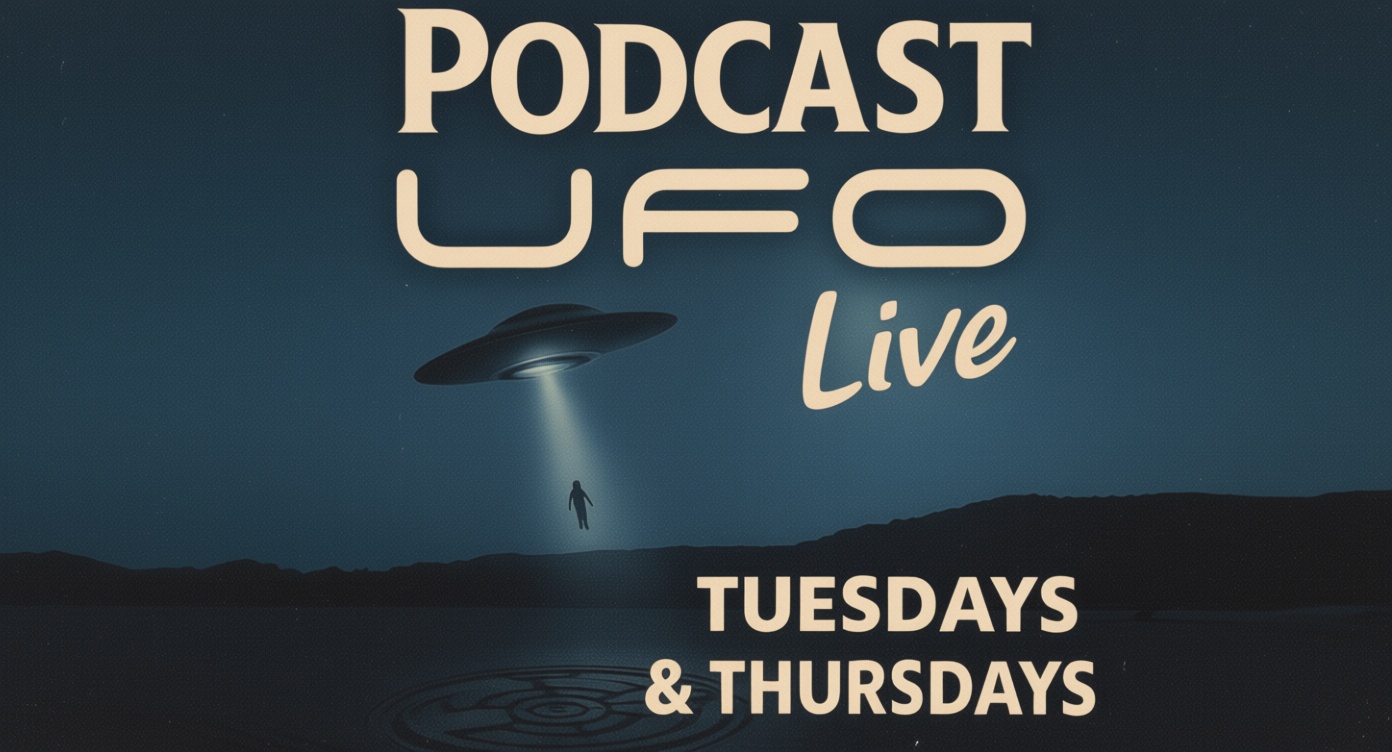
A recent episode of Podcast UFO brings together several strands of UFO history, from widely discussed American sightings to changing accounts of alleged extraterrestrial contact. The program, identified as Episode 799: “Mack Maloney,” was released Nov. 13, 2026, and runs for approximately 47 minutes. It marks the podcast’s 15th anniversary and features host Martin Willis in conversation with returning guest Mack Maloney, with UFO Jack participating as co-host.
The episode centers in part on Maloney’s latest book, Haunted Universe, Volume 2. According to the program description, the discussion revisits notable cases including the Stephenville, Texas, sightings and the Phoenix Lights, two incidents that have remained influential in public debates about unidentified aerial phenomena. The program presents these cases within the broader culture of UFO investigation rather than as confirmed evidence of extraterrestrial craft.
Classic Cases and Continuing Questions
The Stephenville reports, which gained national attention in 2008, involved residents who described bright or unusual objects in the sky over Erath County. Some witnesses initially reported large, silent objects, while other explanations—including conventional aircraft and military activity—were later discussed. The Phoenix Lights, observed across Arizona in March 1997, likewise generated a wide range of testimony. Explanations have included military flares, aircraft formations and misidentified objects, while some witnesses continue to argue that the event involved a much larger craft.
Maloney’s appearance reflects the continuing appeal of such cases: they combine multiple witnesses, disputed interpretations and extensive media coverage. Neither case has produced publicly verified evidence establishing an extraterrestrial origin, but both remain important examples of how eyewitness testimony, official explanations and popular narratives interact in UFO reporting. The program’s framing allows listeners to consider the historical record while recognizing the limits of available evidence.
Earlier Reports and Competing Hypotheses
The broader material associated with the interviews also looks back to UFO reports and theories from the 1960s and 1970s, through reflections from Charles Bowen. That period saw a proliferation of organized investigations, contactee accounts and competing ideas about what witnesses were experiencing. Proposed explanations ranged from extraterrestrial visitation and advanced aircraft to psychological, sociological and misidentification-based interpretations.
A further discussion examines how alleged contact narratives changed over time. Earlier accounts often described encounters with seemingly human Venusian or otherwise benevolent visitors. Later reports increasingly featured abductions, biological experimentation and claims of alien-human hybrids. This shift does not demonstrate that the underlying phenomena changed; rather, it highlights how witness accounts can be shaped by cultural expectations, popular media, investigative traditions and the vocabulary available to describe unusual experiences.
A Swedish Perspective
The program material also profiles Swedish musician Åke “UFO” Gustafsson, whose interest in the subject was influenced by researchers and writers Jacques Vallée and John Keel. Both figures challenged straightforward extraterrestrial explanations. Vallée emphasized patterns in reports, folklore and human experience, while Keel explored the possibility that UFO encounters belonged to a broader class of anomalous or trickster-like phenomena.
Together, the interviews present UFO history as an evolving field in which cases, theories and personal interpretations continually influence one another. The episode’s automatically generated transcript carries a warning that complete accuracy is not guaranteed, making the original audio the more reliable source for quotations and precise wording. Even so, the program offers listeners a compact survey of classic sightings, historical hypotheses and the changing language of alleged contact—without resolving the central question of what, if anything, stands behind the reports.