Overview
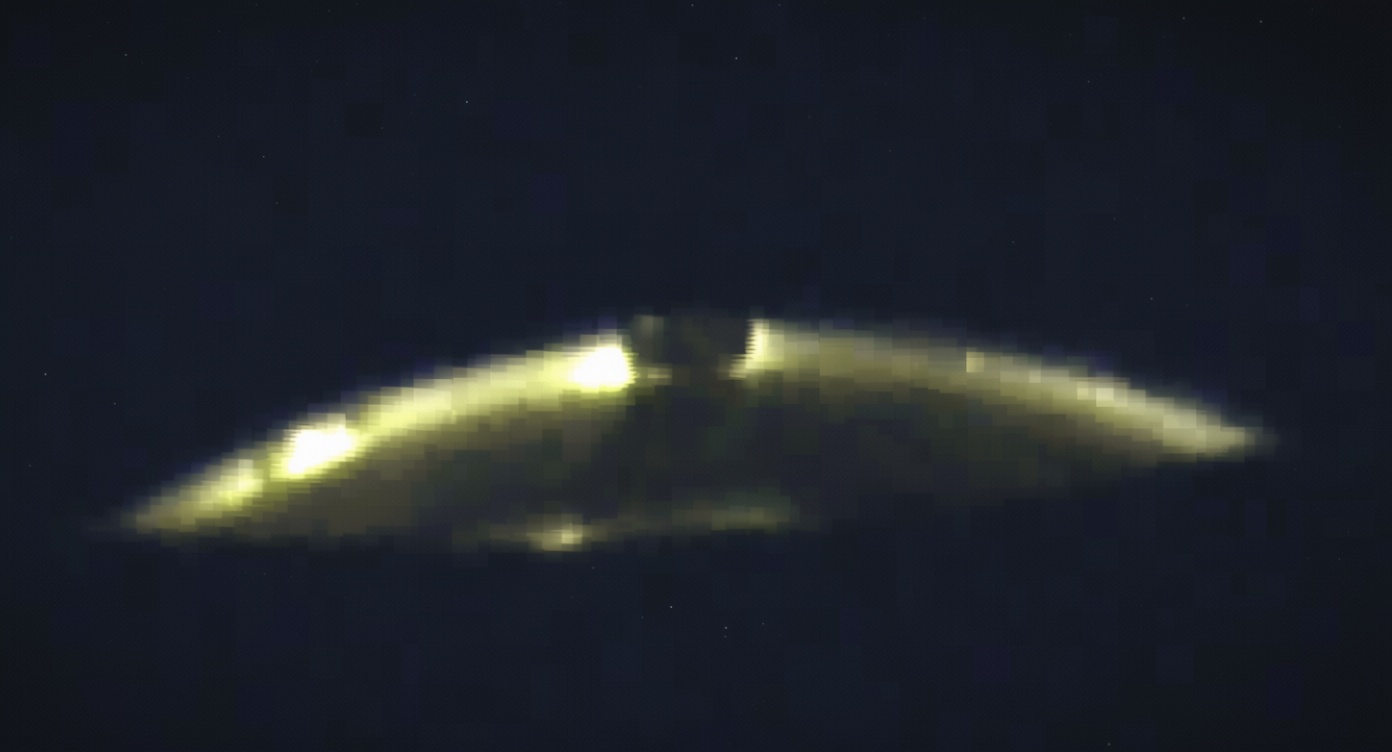
Psychology Today is making the case that science is no longer treating UFOs, or more precisely UAPs — unidentified aerial phenomena — as a fringe topic to be ignored. In a piece titled “Unidentified aerial phenomena research is entering the scientific mainstream,” the publication argues that the growing volume of reports, eyewitness accounts and data points deserves careful, methodical investigation rather than automatic dismissal. The central message is straightforward: if these events are unexplained, they should be studied like any other unresolved scientific question.
The article’s broader point is not that UFOs are extraterrestrial spacecraft, but that the phenomenon itself is real enough to warrant serious attention. That distinction matters. By reframing the issue around UAP rather than pop-culture notions of flying saucers, the piece places the debate in a more credible scientific context. It suggests that unexplained observations in the sky may reveal something important — whether about sensor limitations, atmospheric conditions, human perception, advanced technology or a mix of all four.
Why the Scientific Tone Is Changing
One of the clearest themes in the Psychology Today analysis is that the old reflex of ridicule is becoming less defensible. For decades, UFO reports were often treated as inherently unreliable, which discouraged open discussion and kept many researchers away from the subject. The article argues that this attitude has begun to shift because the accumulation of data now demands a more disciplined response. In other words, if enough cases remain unresolved, dismissal becomes less scientific than inquiry.
That shift also reflects the broader evolution of UAP research in recent years. Governments, military agencies and civilian investigators have all contributed to a growing body of documentation that includes pilot testimony, sensor data and official reviews of anomalous sightings. While none of this proves a particular explanation, it does support the argument that the subject is no longer confined to speculation. Psychology Today’s framing echoes that development, suggesting that science is beginning to follow the evidence rather than the stigma.
Why It Matters Beyond the UFO Community
The article also makes a case for public interest. According to its argument, people should pay attention because scientific progress often begins with unresolved anomalies. Many major advances in physics, astronomy and medicine started with observations that did not fit existing models. UAPs may ultimately have ordinary explanations, but that does not make them unworthy of investigation. On the contrary, the value lies in determining what they are and why they appear.
That point is especially relevant in an era of increasingly sophisticated sensors, drones, satellites and high-speed aerial platforms. The skies are more crowded and more technologically complex than ever before, which means unexplained sightings may reveal genuine gaps in current understanding. Whether the answer turns out to be environmental, technological or something else, a careful scientific approach can help separate signal from noise.
A Call for Careful Inquiry
Psychology Today’s conclusion is less sensational than it is practical: serious questions deserve serious research. The article argues that scientists should continue building better datasets, refining observation methods and removing the social barriers that have long kept UAP studies on the margins. For readers, the message is not to jump to conclusions, but to recognize that unexplained aerial events are a legitimate subject for inquiry.
In that sense, the piece reflects a notable cultural and scientific change. UFOs may still carry decades of tabloid baggage, but UAP research is increasingly being treated as a matter of evidence, methodology and open-minded skepticism. The core idea is simple: if science is meant to explain the unknown, then unidentified aerial phenomena are exactly the kind of mystery it should be prepared to examine.