Overview
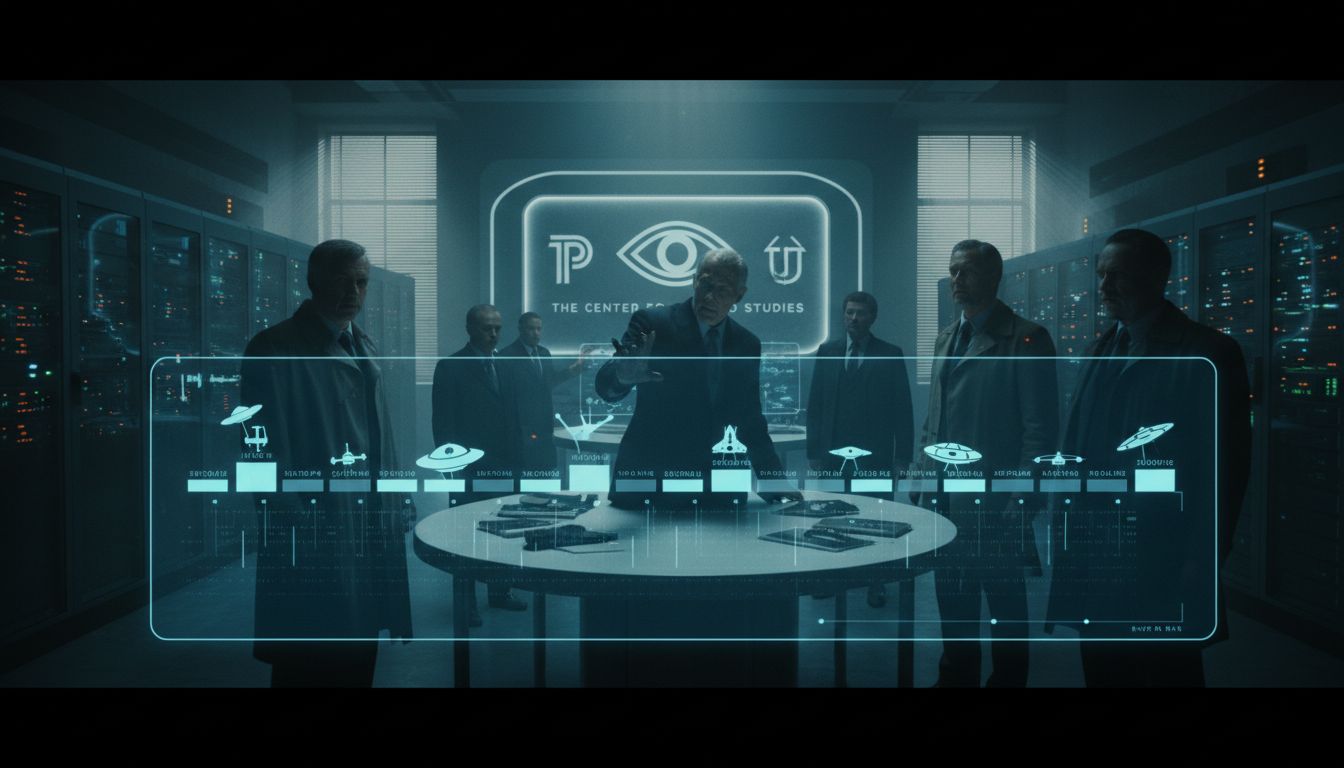
The Center for UFO Studies (CUFOS) has released a new chronological listing of UFO-related events tied to PURSUE, the “Presidential Unsealing and Reporting System for UAP Encounters,” expanding access to a specialized slice of its broader historical archive. Published on June 28, 2026, the document functions as a subset of CUFOS’s larger timeline, UFOs and Intelligence, and is designed to help researchers trace how wartime sightings and official responses developed over time. CUFOS notes that readers should consult the main timeline’s “Sources and Further Reading” section for source identification and that many links in the new listing open directly to the relevant PURSUE release, with page numbers provided for convenience.
What the new listing includes
The chronology is structured as a research tool rather than a narrative, pairing each dated entry with linked references, concise event summaries, and archival notes. According to CUFOS, the document also acknowledges contributions from Jeff Knox, underscoring that the release is part of an ongoing collaborative effort to organize and contextualize historical UFO material. The format is intentionally practical: the site advises users to open links in a new tab or window and to note page numbers carefully, since the PURSUE references point to the first page of each document rather than a specific section. That design makes the listing especially useful for historians, investigators, and readers who want to move quickly from a summary entry to the underlying documentation.
Early wartime sightings set the tone
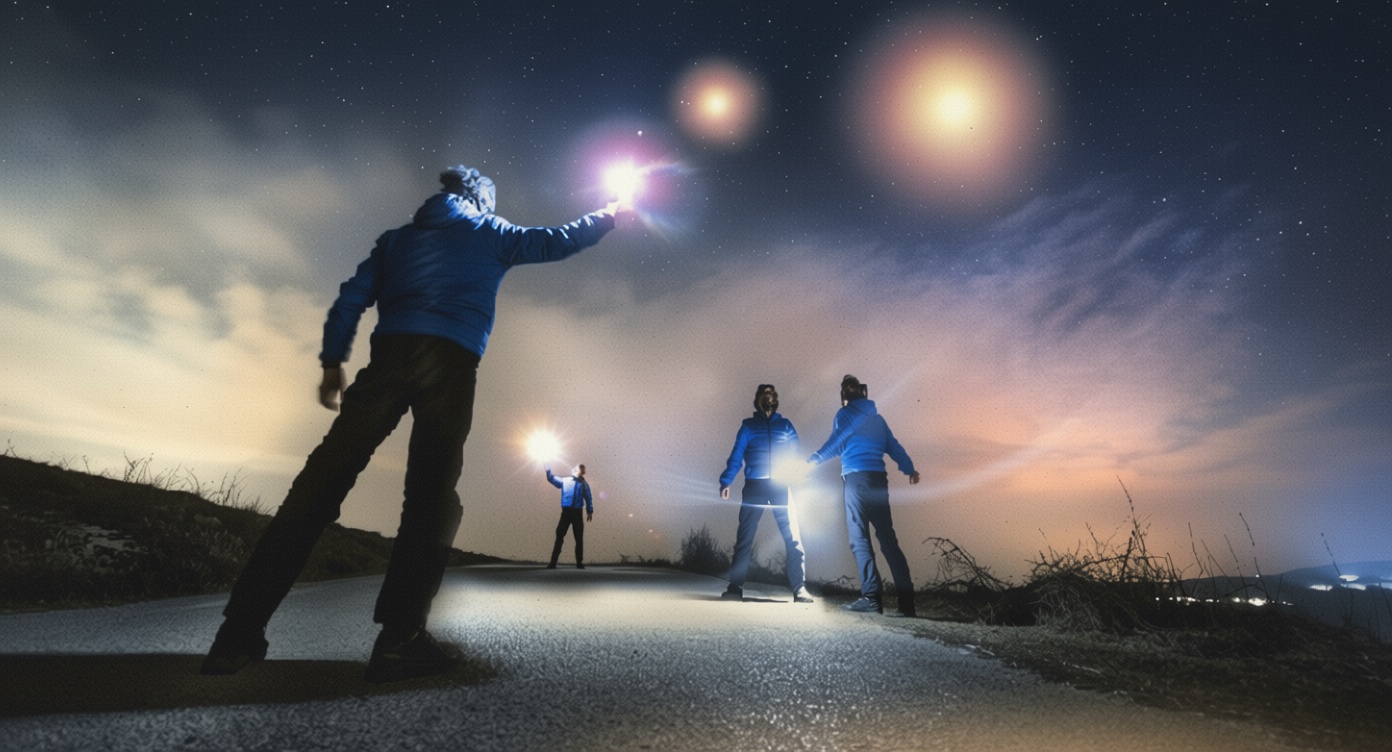
Among the earliest entries are reports from December 1944 and early 1945, when Allied aircrews over Germany began describing mysterious airborne lights that soon became known as “foo fighters.” The timeline records how night fighter crews reported numerous balls of light during bombing raids, and how pilot and operations officer Charlie Horne of the 415th Night Fighter Squadron is associated with the popularization of the term, borrowed from the comic strip Smokey Stover. The chronology then moves into January 1945, including a secret memo from Lt. Col. Leavitt Corning Jr. asking for additional information on the so-called “Night Phenomenon,” as well as a detailed January 30 report in which a 415th Night Fighter Squadron crew described amber-colored lights that followed their aircraft before disappearing.
Official attention and continuing documentation
The release also highlights how quickly these unusual reports moved up the chain of command. On January 30, 1945, intelligence officer Capt. Fred B. Ringwald responded to Corning’s request with a summary of 14 foo fighter reports covering the period from mid-December through late January, and by February 11 the material had reached Air Commodore Colin McKay Grierson at the RAF Air Ministry. The timeline continues into March 1945 with another over-Europe report describing an aluminum-colored cylindrical object observed at altitude and fired upon by pilots. While the entries are brief, CUFOS’s new chronology makes clear that wartime UAP reporting was already producing a paper trail of military concern, interpretation, and interservice communication.
Research value and broader context
Taken together, the PURSUE chronology adds another layer to CUFOS’s long-running effort to preserve and organize historical UFO documentation. By tying each event to original and secondary sources, the release gives readers a path from headline-level phenomenon to archival evidence, helping separate legend from record. For anyone studying the historical roots of modern UAP reporting, the document offers a valuable starting point—one that places famous wartime cases in sequence and situates them within a much larger intelligence and research context.