Overview
Reports of Bigfoot-like sightings in Utah’s Uinta Mountains continue to add to the state’s long and varied tradition of wilderness folklore, according to a recent catalog of Utah cryptids and legends. The recurring descriptions — typically of a large, hairy humanoid moving through remote forested terrain — fit a broader pattern in which unusual stories emerge from places defined by distance, isolation, and difficult access. In Utah, that pattern has produced a folklore landscape that ranges from lake monsters to ghost horses, reflecting both the state’s geography and its layered cultural history.
Key Details
The Uinta Mountains, one of Utah’s most rugged ranges, have long been the kind of setting where cryptid accounts take hold. Remote valleys, heavy tree cover, and sparse nighttime activity create conditions that can easily fuel uncertainty, especially when sightings are relayed secondhand or through local retellings. While the source material does not verify any single Bigfoot encounter, it places these reports within a tradition of stories that are passed along because they feel anchored to a particular place. In that sense, the Uinta sightings are less an isolated phenomenon than part of a regional folklore ecosystem.
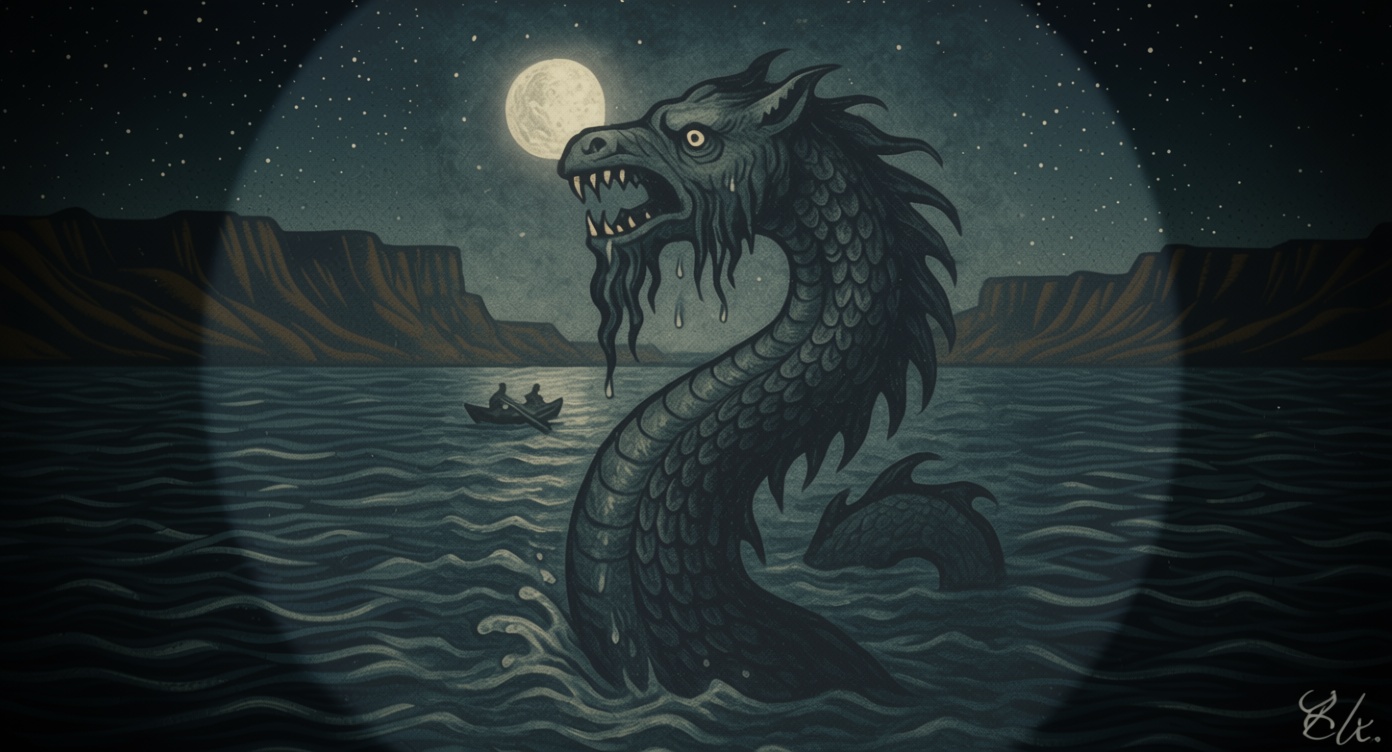
That ecosystem is extensive. The same source describes the Bear Lake Monster, a 19th-century creature report that spread after settlers along the Utah–Idaho border said they saw a serpentine animal in the water. It also highlights the Water Babies of Utah Lake, described in Great Basin Native tradition as dangerous water spirits whose cries serve as warnings near the shoreline. These legends, along with the Ghost of Dead Horse Point near Moab, show how Utah’s landscape repeatedly inspires stories that blend fear, wonder, and place-based memory.
Broader Context
The article’s larger point is that Utah’s cryptid lore draws from Native traditions, Mormon settlement history, mining-era prophecy, pioneer newspapers, and modern paranormal media. That historical mix helps explain why Bigfoot-like accounts in the Uinta Mountains continue to circulate even in an era of satellite mapping and digital documentation. As with many wilderness legends, the stories endure not because they are confirmed, but because they occupy a meaningful space between local identity, outdoor experience, and the enduring human tendency to interpret the unknown.
At the same time, the source material underscores that these legends are not all the same. For Navajo communities, the skinwalker tradition carries deep cultural significance and is treated with caution rather than curiosity. By contrast, the Bear Lake Monster or Dead Horse Point ghost horse have become part of tourist lore and regional storytelling. Taken together, these accounts suggest that Utah’s cryptid stories are not just about mysterious creatures — they are also about how communities remember their landscapes, explain unexplained experiences, and pass those interpretations forward.


