Overview
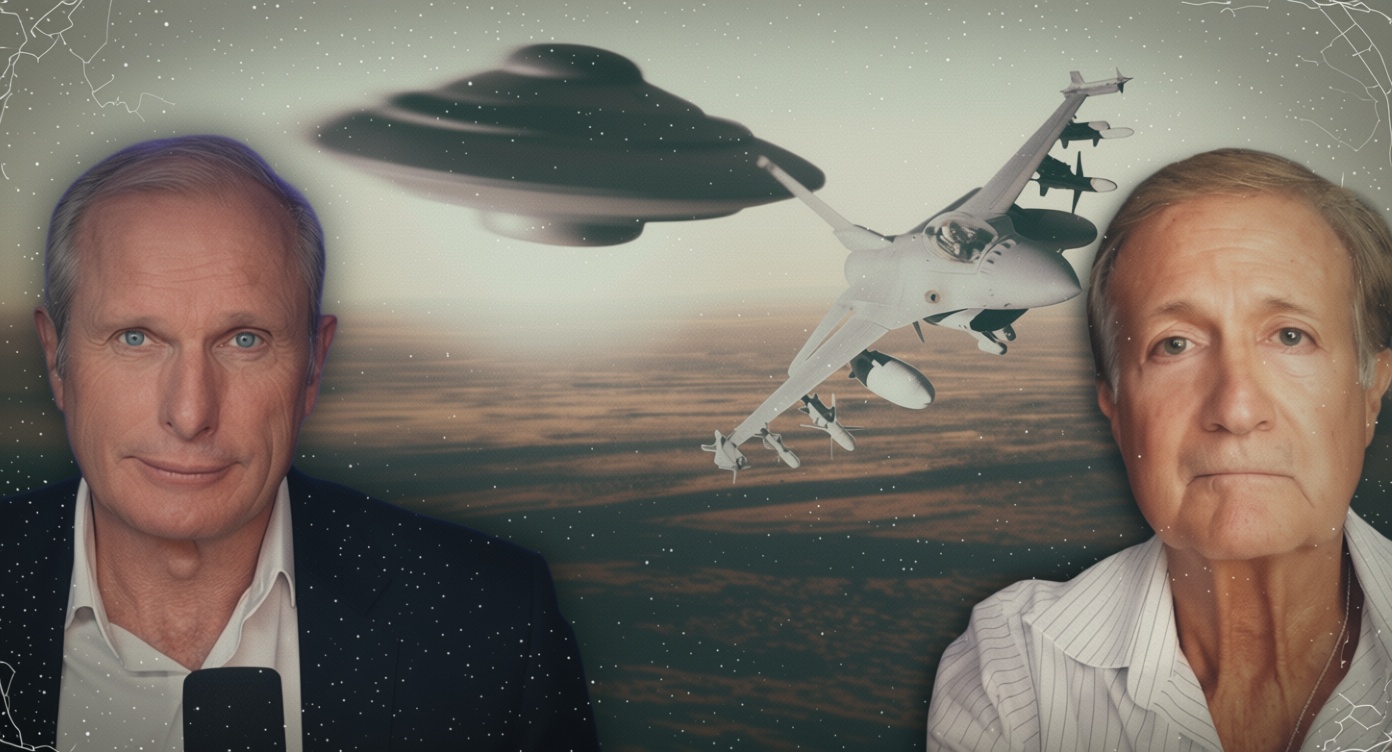
In a recent episode of Reality Check, investigative journalist Ross Coulthart interviewed Robert Martinez, a retired attorney from Tucson, Arizona, about claims made by a former client who allegedly had access to highly classified U.S. government programs involving Unidentified Anomalous Phenomena (UAP). Martinez identified the client by the pseudonym “Dwayne Backer,” saying he represented him during an employment-discrimination case in the mid-1990s.
According to Martinez, Backer worked for decades at sensitive national-security facilities, including White Sands Missile Range and nearby Holloman Air Force Base in New Mexico. Backer reportedly claimed that his career began in 1947 and continued for nearly 50 years. The allegations, which have circulated widely among online UAP communities, remain unverified and have not been independently corroborated by documentary evidence presented in the interview.
Claims Concerning Roswell and Military Encounters
Martinez said Backer claimed to have seen photographs related to the 1947 Roswell incident, including images purportedly showing a crashed craft and non-human bodies. Backer allegedly maintained that the crash occurred several miles from the location identified in official accounts. The U.S. government has historically attributed the Roswell debris to a classified balloon project, while UAP advocates continue to dispute that explanation.
The former client also described what he characterized as a long-running “secret war” between U.S. military aircraft and unknown objects. Martinez said Backer believed numerous pilots and advanced jets had been lost during these encounters, with the incidents later classified as training accidents. In one reported episode, three aircraft sent to intercept a UAP allegedly received an unauthorized instruction to return to base. Ground controllers reportedly denied transmitting the order, an account Martinez presented as evidence of possible technological interference.
Abduction and Depopulation Allegations
Among the most controversial claims discussed was Backer’s assertion that some non-human entities were “good” while others were hostile. Martinez cited an alleged incident involving an Air Force pilot whose parachute was recovered with an empty harness, suggesting the pilot had disappeared during ejection. No independent records confirming that event were provided during the interview.
Backer also allegedly believed that certain entities considered Earth overpopulated and intended to reduce the human population. Martinez said his former client specifically mentioned pandemics as a possible method. The program offered no verified evidence linking any pandemic to non-human activity, and the claim remains speculative.
Alleged Suppression and Harassment
Martinez further described events he interpreted as efforts to intimidate him and suppress Backer’s testimony. He said a major Washington, D.C., law firm representing Backer’s employer sent him a letter highlighting the death penalty under the Espionage Act. Martinez also alleged that two unidentified men in dark suits entered his office while he was in court and stole a physical file containing notes about the case.
He recounted surviving a serious vehicle collision and described a separate incident involving his girlfriend, which he considered suspicious. Martinez connected these events with Backer’s death from a heart attack, reportedly occurring soon after Martinez met former Congressman Steve Schiff, a New Mexico lawmaker who had supported greater disclosure about Roswell. The interview also referenced Air Force safety investigator Alan Diehl and Harvard psychiatrist John Mack, although no direct evidence was presented tying their deaths or work to a coordinated suppression effort.
Martinez’s Position
Martinez told Coulthart that decades of reflection, combined with recent UAP disclosures, had strengthened his belief in Backer’s account. He said he would be willing to testify before Congress in a secure setting and identify corporations and individuals allegedly involved in the programs. The interview documents serious allegations, but it does not establish them as fact. Confirmation would require corroborating witnesses, official records, forensic evidence, or congressional investigation.