Overview
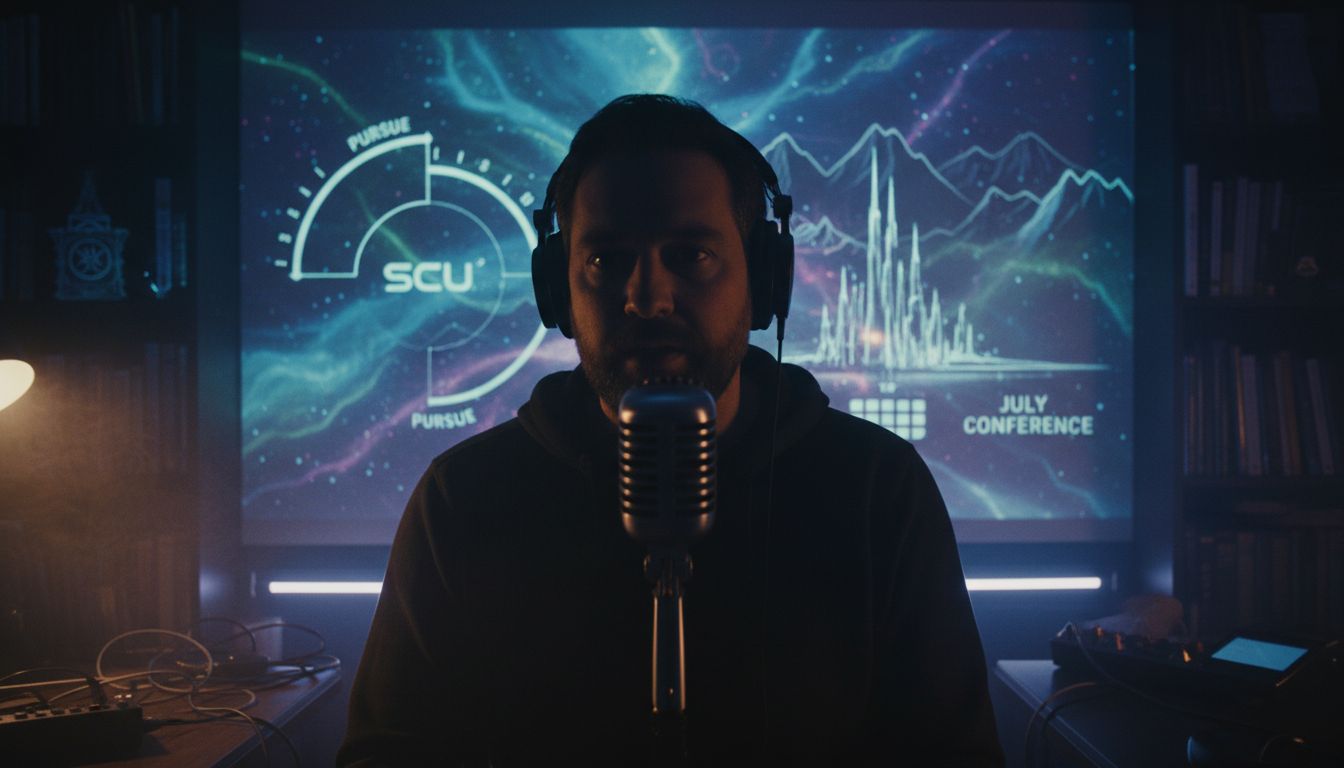
In a recent episode of Podcast UFO, co‑founder of the Scientific Coalition for UAP (SCU) Robert Powell critiqued the first batch of documents released by the Pentagon’s PURSUE program on May 8, 2026. Powell argued that the files, while “a step forward in public disclosure,” fall short of the scientific transparency required for rigorous analysis. He emphasized that the lack of comprehensive metadata—such as sensor specifications, timestamps, and collection conditions—hampers the ability of researchers to evaluate the phenomena objectively. The interview aired on May 13 and serves as a pre‑conference briefing ahead of SCU’s July gathering in Toronto.
Scientific Concerns with the PURSUE Release
Powell noted that the PURSUE archive contains roughly 1,200 video clips and radar logs but provides only minimal contextual information. “Without detailed sensor data, we cannot distinguish between atmospheric artifacts and genuine anomalous craft,” he said. He pointed to previous successful scientific investigations—such as the 2022 NASA-funded UAP Study—where full metadata enabled peer‑reviewed publications. In contrast, the current release offers “bare‑bones identifiers” that, according to Powell, “leave more questions than answers.” He called on the Department of Defense to supplement the files with calibrated instrument logs, geographic coordinates, and environmental conditions to meet basic research standards.
Parallel Insights from the Sol Foundation
The discussion also highlighted a May 2026 data drop from the Sol Foundation, an independent nonprofit that aggregates civilian sensor networks worldwide. The Sol dataset, released earlier in the month, includes high‑resolution optical and infrared recordings accompanied by exhaustive metadata, allowing cross‑verification with military observations. Powell praised the Sol effort as “a model of openness,” noting that its data has already been cited in two peer‑reviewed papers published in Journal of Atmospheric Sciences. He suggested that integrating Sol’s metadata standards with the PURSUE archive could create a “comprehensive, multi‑source repository” for UAP research.
Upcoming UAP‑Focused Events
SCU’s July conference in Toronto will convene more than 150 scientists, engineers, and policy experts to address the methodological gaps highlighted by Powell. The agenda includes workshops on data standardization, a panel featuring representatives from the Sol Foundation, and a briefing from the Office of the Director of National Intelligence on future disclosure plans. In addition, the coalition is organizing a series of webinars throughout June, aimed at training researchers in metadata collection and statistical analysis of UAP sightings. Powell urged the community to “use these platforms to build a shared framework that moves the conversation from speculation to empirical science.”
Outlook
While the PURSUE release marks a notable moment in governmental transparency, Powell’s assessment underscores a critical next step: providing the scientific community with the full contextual data needed for reproducible research. The alignment of military disclosures with civilian initiatives like the Sol Foundation could set a new benchmark for openness. As the SCU prepares for its Toronto summit, the coalition hopes to forge consensus on data standards that will enable credible, peer‑reviewed investigations into unidentified aerial phenomena—shifting the discourse from anecdote to evidence‑based inquiry.


