Overview
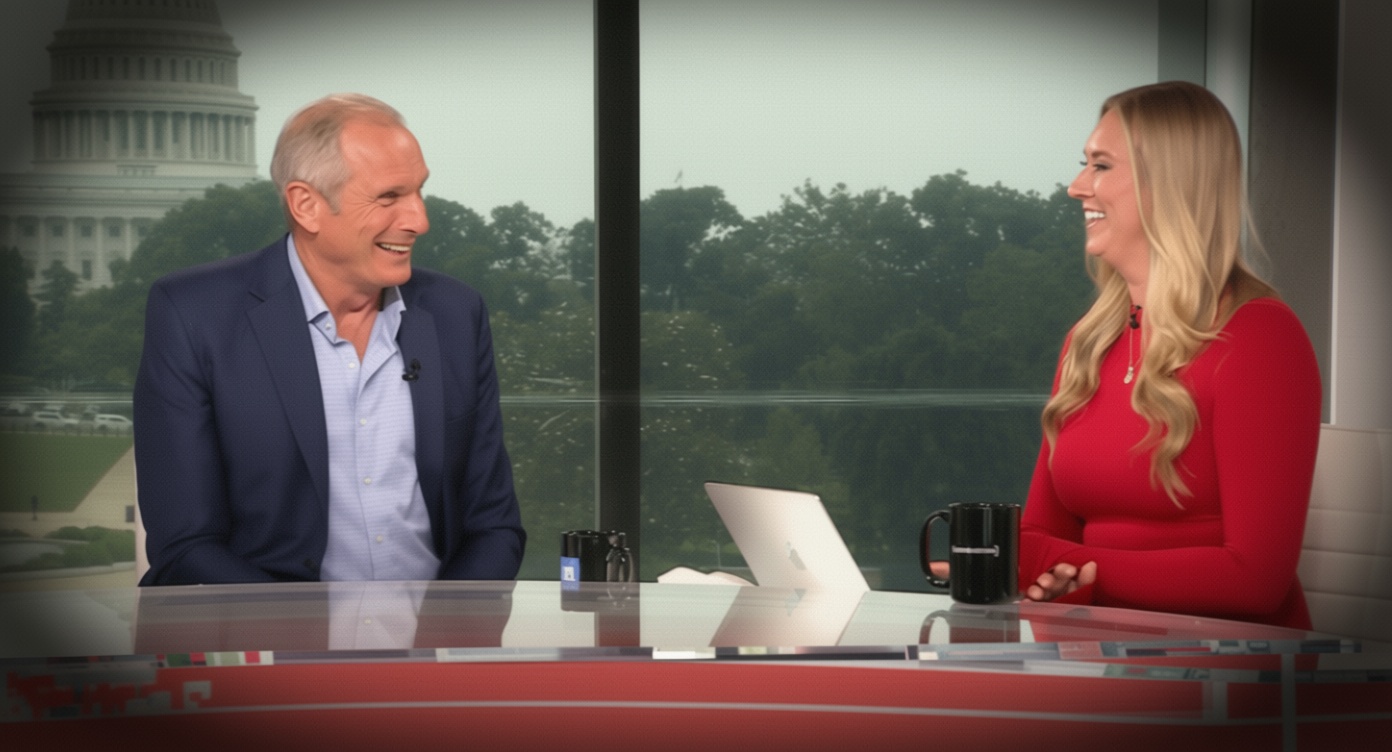
In a recent NewsNation Q&A, journalist Ross Coulthart used a pointed phrase to describe the internal disputes dividing parts of the UFO and UAP community: “We’ve got to stop this bloody nonsense.” Speaking alongside Meagan Medick from NewsNation’s Washington, D.C., studio, Coulthart argued that researchers, advocates and transparency supporters need to move past personal feuds and ideological splits if they want to make progress on the larger question of what the public should know about unidentified anomalous phenomena.
The segment followed the UAP Disclosure Forum on Capitol Hill, giving the discussion a timely backdrop as lawmakers, witnesses and advocates continue pushing for more openness around government-held information. Coulthart’s remarks reflected a familiar theme in the disclosure conversation: that internal conflict can distract from the broader objective of compelling accountability from institutions that have long kept UAP-related material classified or obscured.
Infighting and the Disclosure Movement
Coulthart fielded questions about what he described as a growing rift among transparency advocates within the movement. While he did not frame the disputes as irrelevant, he made clear that he views them as secondary to the larger mission of uncovering the truth. His comments appeared aimed at the tendency for parts of the UFO community to become consumed by accusations, competing narratives and public spats that can undermine credibility.
That criticism comes at a moment when the disclosure conversation is increasingly visible in mainstream and political circles. Yet despite heightened attention, the movement remains fragmented, with some advocates focusing on legislation, others on witness testimony, and others on disputed claims involving private groups, intelligence officials or historical programs. Coulthart’s message was essentially that disunity weakens the cause and gives skeptics an easy reason to dismiss it.
Congress, Secrecy and the UAP Disclosure Act
The Q&A also addressed questions over whether Congress is obstructing public access to information. That issue has become central to the debate surrounding the UAP Disclosure Act, which is returning to Congress and remains one of the most closely watched legislative efforts in the field. Supporters argue the bill is necessary to force a more systematic release of records and to create stronger oversight of government claims about UAPs.
Coulthart’s discussion suggested that, regardless of internal disagreements among advocates, the political fight over transparency remains the key arena. The issue is not simply whether unusual incidents exist, but whether the public can obtain reliable information about what the government knows, what it has recovered, and what it continues to withhold. For disclosure advocates, the return of the act represents a new test of whether Congress is willing to press for answers.
Broader Claims and Ongoing Debate
The episode also touched on several other controversial topics circulating in UAP discussions, including claims about the Pentagon’s so-called “Collins Elite” group, which some allege has approached the subject through a religious lens. Coulthart also addressed criticism surrounding Lue Elizondo’s past role in government programs, reflecting how questions about key figures continue to shape the movement’s internal dynamics.
In addition, Coulthart discussed reports involving Stephen Miller and a White House whistleblower amnesty push, as well as his belief that Elon Musk has been briefed on classified UAP programs. Taken together, the segment underscored the breadth of the modern disclosure debate — from congressional procedure and whistleblower protections to speculation about who in government and industry may already know more than they have acknowledged publicly.
A Push to Refocus
For Coulthart, the central message was less about any single allegation and more about priorities. His view, as presented in the Q&A, is that the UFO/UAP community must avoid getting trapped in self-defeating infighting if it wants to sustain momentum. With congressional action pending and public interest still active, he argued that advocates should concentrate on the shared goal: forcing transparency and getting closer to a credible account of what is happening in the skies.