Overview
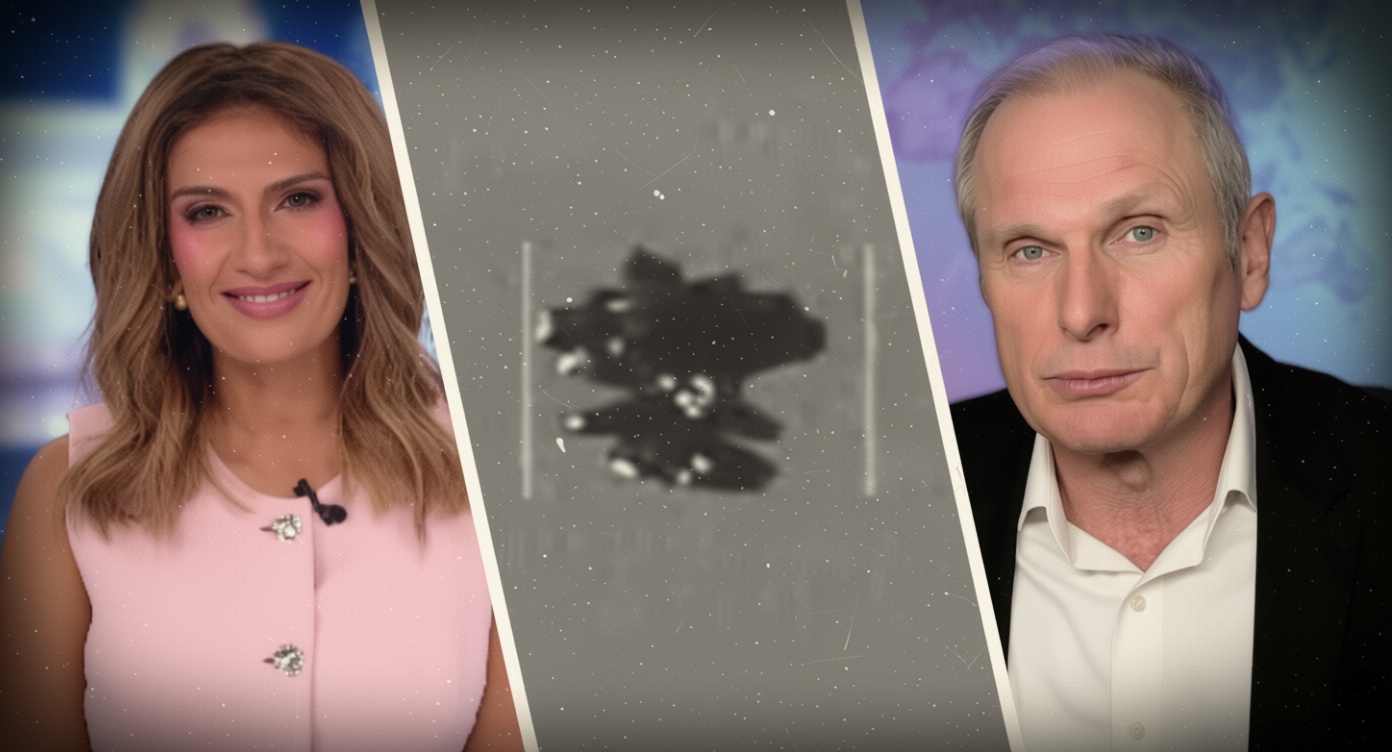
In a recent NewsNation segment, journalist Ross Coulthart argued that the Pentagon likely knows “a lot more” about unidentified anomalous phenomena, or UAP, than it has publicly disclosed. His comments added fresh momentum to a long-running debate over whether the U.S. government is still withholding key information about the subject, even as officials continue to insist they are taking reports seriously and investigating sightings through formal channels.
Coulthart’s remarks were notable less for introducing a new allegation than for reinforcing a familiar critique: that public-facing explanations from defense officials may represent only part of what the government knows. The segment, which aired amid continuing public attention on UAP transparency, reflected growing frustration among observers who believe repeated calls for disclosure have produced more questions than answers.
Pentagon Transparency Remains Under Scrutiny
The Pentagon has faced sustained pressure in recent years from lawmakers, journalists, and advocacy groups demanding clearer answers on UAP. While the government has acknowledged that some military personnel have encountered unusual objects or events it cannot immediately identify, critics argue that official statements often stop short of addressing the most consequential questions — including what evidence exists, how it is analyzed, and whether classified programs may hold additional data.
That skepticism has helped fuel broader criticism that the federal government is still withholding key information about UAP. Coulthart’s comments fit squarely within that debate, suggesting that the Pentagon’s public admissions may not fully reflect the scope of what it knows. Even without citing a specific incident in the segment, his remarks tapped into a persistent theme in UAP coverage: the gap between what officials say in public and what some researchers believe may be held behind closed doors.
Why Coulthart’s Comments Matter
Coulthart, who has become one of the more prominent media figures covering UAP, has repeatedly pressed the case that official transparency remains incomplete. In this latest appearance, his central contention was blunt: the Pentagon likely knows far more about the phenomenon than it has admitted. The wording matters because it shifts the discussion away from whether unusual sightings are real — a question that is now widely accepted as worth investigating — and toward whether the government is fully sharing what it already knows.
For supporters of greater disclosure, that distinction is critical. If the Pentagon has recovered sensor data, analyzed incidents in classified settings, or identified patterns it has not made public, then the issue is no longer simply one of unexplained reports. It becomes a question of accountability, oversight, and whether the public is being given a complete picture of potential national security concerns.
Broader Debate Over UAP Disclosure
The latest comments arrive as the UAP issue continues to move from the margins of internet speculation into mainstream political and media discussion. Congressional interest, public hearings, and official reporting mechanisms have all helped legitimize the topic, even as the underlying evidence remains contested and much of the most sensitive material is still believed to be classified. That has left the public in a difficult position: aware that something is being investigated, but often unable to judge how much has truly been learned.
Coulthart’s remarks will likely resonate most with those who already believe the government is managing expectations carefully and revealing only limited information. Still, the absence of a detailed new disclosure in the segment underscores the enduring challenge in UAP reporting: claims of deeper knowledge are easy to make, but verification remains difficult. For now, the debate continues, with transparency advocates pressing for more openness and official agencies holding that any conclusions must be grounded in evidence, not speculation.