Overview
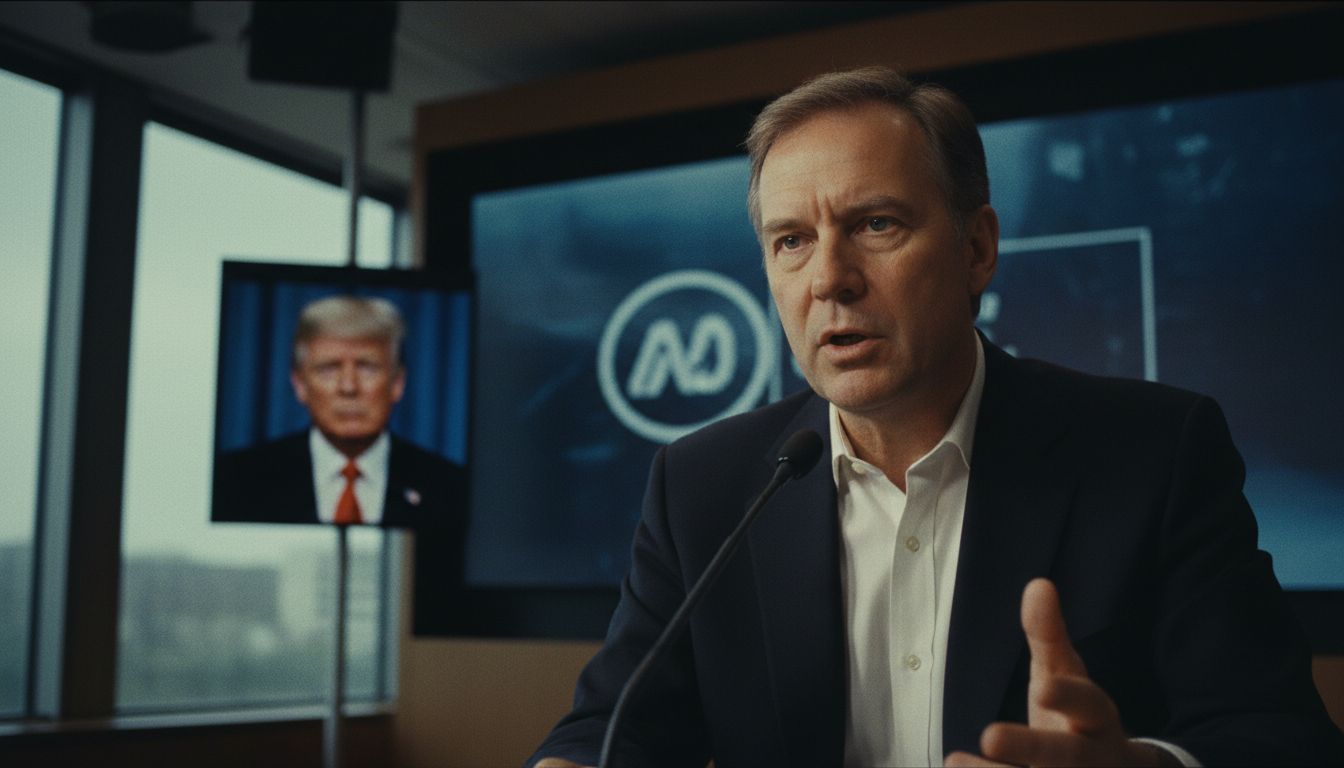
NewsNation reports that journalist Ross Coulthart is pressing Donald Trump to act quickly on a proposed blanket immunity measure connected to UFO/UAP matters, arguing that legal protection could help open the door to more disclosure. The idea, as described in the report, is straightforward: if people who have worked inside sensitive programs believe they could face criminal, civil, or professional consequences for speaking up, they may remain silent. A broad immunity arrangement, supporters say, could reduce that fear and encourage witnesses, insiders, and contractors to come forward with what they know.
At the center of the proposal is a familiar problem in the UAP debate: the gap between claims of secret programs and the scarcity of public testimony from those allegedly closest to them. Coulthart’s position reflects a growing frustration among advocates who believe that years of secrecy have created a system where disclosure is difficult not because evidence is absent, but because the people with direct knowledge have too much to lose by speaking. In that view, a temporary or conditional immunity framework could function as a release valve, allowing information to surface without immediately triggering legal fallout.
Why immunity is being discussed
The push for immunity is tied to broader questions about how governments handle classified or compartmentalized information. In national security contexts, officials and contractors can be bound by non-disclosure agreements, security rules, and criminal statutes related to unauthorized disclosure. Critics of the status quo argue that such protections are sometimes so strong that they discourage even lawful whistleblowing. Advocates of a blanket immunity measure contend that, in extraordinary circumstances, the public interest in transparency may outweigh the usual instinct to punish silence-breaking.
Still, the idea is controversial. A broad immunity policy could raise concerns about accountability, especially if it appeared to shield wrongdoing or override legitimate oversight. Skeptics are likely to ask whether immunity would be limited to testimony, whether it would apply only to certain eras or programs, and who would decide which disclosures qualify. Those unanswered questions make the proposal politically and legally complex, even as it gains attention among those seeking more information about alleged UAP programs.
The larger disclosure fight
Coulthart’s comments come amid a sustained public debate over how much the government knows about unidentified aerial phenomena and who, if anyone, is prepared to tell the full story. In recent years, lawmakers, former intelligence officials, and defense insiders have increasingly discussed the need for transparency, while the Pentagon and other agencies have continued to stress the importance of verification and national security safeguards. The result has been a tug-of-war between disclosure advocates and institutions accustomed to operating behind layers of classification.
For now, the NewsNation report suggests Coulthart sees urgency as the key issue. If a blanket immunity measure is going to be considered, he argues, it should happen quickly rather than after the moment passes and potential witnesses retreat further into silence. Whether Trump would embrace such a step remains unclear, but the proposal adds another layer to an already charged debate over secrecy, accountability, and how much the public should eventually be told about UAP-related matters.