Overview
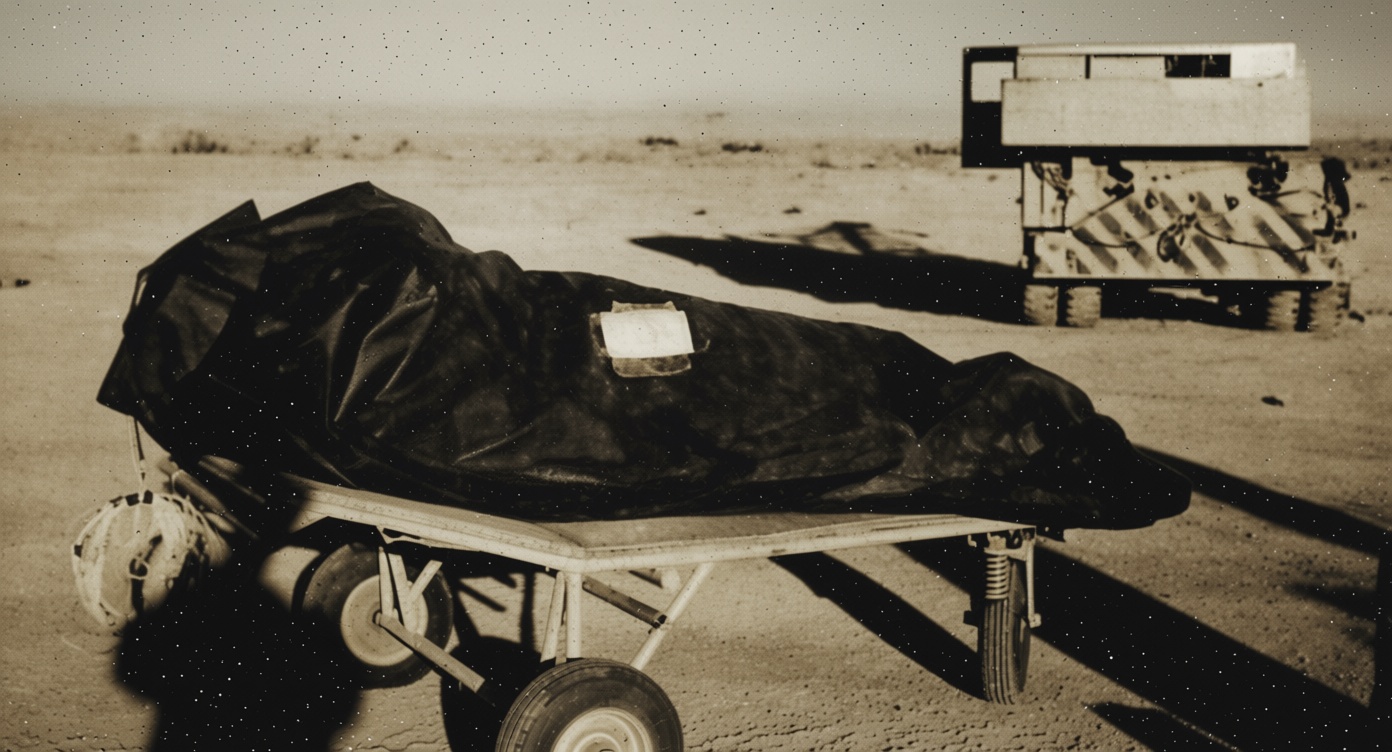
University of New Mexico students recently turned one of the most famous mysteries in American popular culture into a legal case study, examining the Roswell crash not as a question of extraterrestrial life, but as a problem of law, jurisdiction and public accountability. The discussion, framed through a legal and constitutional lens, explored what happens when an unidentified incident becomes embedded in decades of secrecy, speculation and competing claims about ownership. In doing so, the students highlighted how old mystery cases can still illuminate very current debates over UFO/UAP disclosure, federal authority and the public’s right to know.
Legal and constitutional questions
At the center of the conversation was a deceptively simple question: Who owns the story, the evidence, and anything that may have been recovered? That issue matters far beyond Roswell. If material from an unidentified crash were ever found, questions would quickly arise over whether it was federal property, state property, privately owned debris, or evidence subject to preservation rules. The students’ discussion showed how a case that began in 1947 can still raise practical legal problems today, especially when the record is incomplete and the facts remain disputed.
Equally important was the issue of jurisdiction. Roswell sits at the intersection of local, state and federal interests, and a mysterious incident involving military activity would almost certainly trigger questions about which authorities had the right to investigate, seize evidence or release information. That makes the case useful for legal analysis because it reveals how constitutional principles can collide with national security concerns. Even when public interest is high, the government may argue that sensitive material must remain protected, while critics contend that secrecy only deepens mistrust.
Why Roswell still matters
The Roswell case has long occupied a unique place in American culture because it sits between folklore and official history. But the UNM students’ approach suggests that the deeper significance may not be whether the incident involved a spacecraft at all. Instead, it may be a lesson in how the government handles extraordinary claims. When evidence is unclear, witnesses are few and official explanations change over time, the legal system faces the challenge of determining what can be verified and what should be disclosed. Those issues remain central to contemporary UAP debates, where advocates for transparency argue that public institutions should provide clearer records and more consistent answers.
Broader implications for disclosure
The discussion also connects to modern calls for UAP disclosure, which have gained momentum in recent years in Congress, the media and academic circles. Roswell is often cited because it represents the enduring tension between public curiosity and official secrecy. If a case like Roswell were to arise now, lawyers and lawmakers would likely confront a far more complex environment involving federal records laws, evidence preservation, national security classifications and public expectations of transparency. The UNM students’ analysis underscores that disclosure is not only a scientific issue; it is also a legal and constitutional one.
Conclusion
By examining Roswell through law rather than legend, the UNM students brought fresh perspective to a mystery that has resisted resolution for nearly eight decades. Their work suggests that the most lasting questions raised by the incident may concern who controls information, how evidence is handled and what obligations government institutions owe to the public. In that sense, Roswell remains relevant not because it has been solved, but because it continues to test the boundaries between secrecy, accountability and the public search for answers.