Roswell weekend brings researchers, witnesses, and new questions
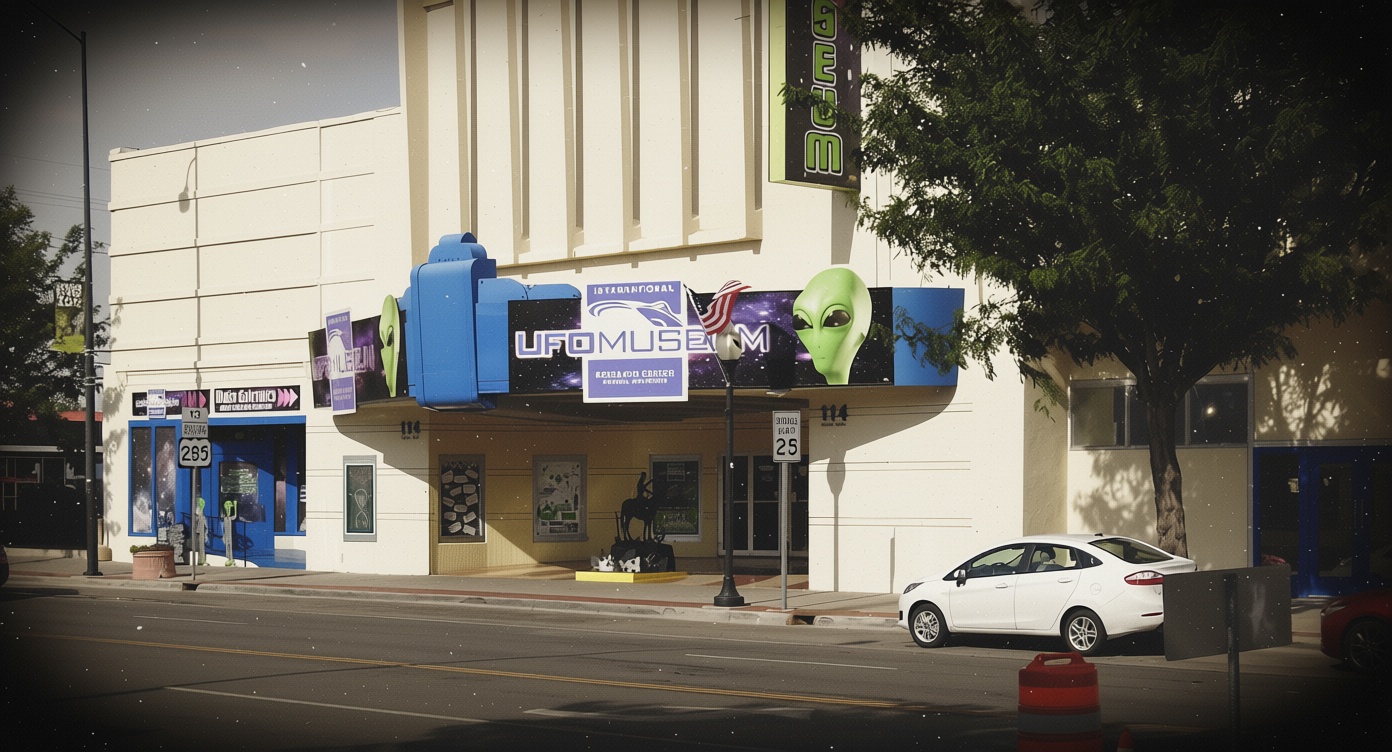
Over the July 4 weekend, Roswell once again served as a meeting ground for UFO researchers and eyewitnesses, according to veteran investigator Kevin Randle’s recap of the 2026 festival. Held near the International UFO Museum and Research Center, the event drew a familiar mix of names from the field, including Don Schmitt, Travis Walton, Kathleen Marden, Ben Hansen, Thom Reed, Frank Kimbler, Marc D’Antonio, and Dennis Balthaser. The program combined individual presentations with panel discussions on the Roswell case and alien abductions, underscoring the festival’s role as both a reunion and a forum for continuing debate.
Abduction panel revisits Pascagoula, the Hills, and star-map claims
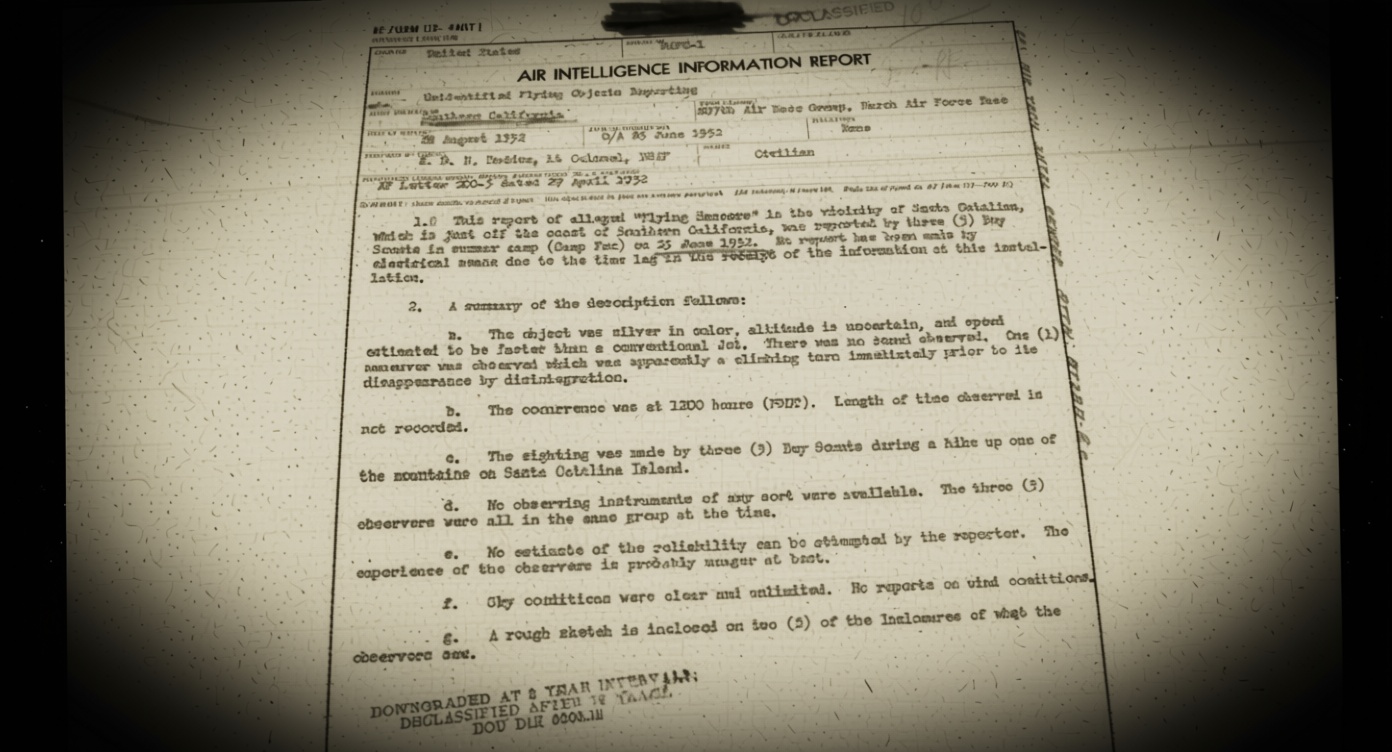
Randle said he sat in on the abduction panel with Travis Walton and Kathleen Marden, where he discussed the 1973 Pascagoula abduction case involving Hickson and Parker. What stood out to him, he wrote, was the existence of witnesses named in an Air Force document dated the next day, a detail he viewed as an important marker of credibility. Marden, meanwhile, pointed to what she described as similar revelations in the Barney and Betty Hill case, including additional witnesses, radar tracking from Pease Air Force Base, and an Air Force inquiry she characterized as unreliable. Randle noted that he regretted not asking for the names of those witnesses.
Marden also referenced updated work on the Marjorie Fish star map model, the controversial attempt to match Betty Hill’s star chart with nearby stellar systems. Fish’s research helped popularize the idea that Zeta Reticuli could be tied to the alleged visitors, but Randle observed that the model’s astronomical data has since been surpassed by newer measurements. He added that Fish excluded red dwarf stars within roughly fifty light-years, a choice that made sense at the time but may be less defensible now given updated thinking about which systems could merit attention.
Eyewitness accounts add a personal dimension
Beyond the formal presentations, Randle said one of the festival’s strengths is the chance to hear directly from people who believe they have seen something unusual. He described speaking with a man in his mid-30s to 40s who reported watching an object rise out of the sea, pause for several seconds, and then climb away at high speed. The witness said it appeared rounded, perhaps more egg-shaped than circular, and was surrounded by a blue haze.
Randle also spoke with another attendee who described a triangular-shaped UFO hovering overhead for four to five minutes before drifting west. According to the account, an Air Force fighter jet then appeared from the east as the object began moving. Randle said he was unsure whether the timing was coincidence or something more deliberate, but the incident left him reflecting on how often eyewitness reports include details that remain difficult to explain.
A field still balancing research and wonder
The recap suggests that Roswell continues to operate as more than a commemorative event; it remains a place where case studies, personal testimony, and unresolved anomalies are tested against one another in real time. Randle’s observations point to a community still wrestling with old cases, new data, and the challenge of separating signal from speculation. He also indicated that the latest issue includes new SUAPS material and articles exploring UAP science, distant solar-system mysteries, and other strange encounters, reinforcing the publication’s effort to mix methodical research with a sense of wonder.
In that sense, Roswell 2026 appears to have delivered exactly what longtime attendees expect: not final answers, but fresh discussion, disputed evidence, and a reminder that the UFO/UAP field remains very much alive.