Overview
A new Gallup poll, reported by The Hill, suggests that Americans remain sharply divided over the question of UFO origins, with roughly half saying they are skeptical of extraterrestrial explanations. The finding underscores how public attitudes toward unidentified aerial phenomena remain cautious even as government interest, military disclosures, and media coverage have intensified in recent years. Rather than reflecting broad acceptance of alien visitation theories, the result points to a country still unconvinced that unexplained sightings necessarily mean something nonhuman is involved.
Public Skepticism Remains Strong
The poll’s central takeaway is straightforward: many Americans do not buy the idea that UFOs are evidence of alien life. While unidentified objects in the sky continue to draw attention, the survey indicates that skepticism still outweighs certainty for a substantial portion of the public. That matters because it suggests the conversation around UAPs—unidentified aerial phenomena, the term now often used in official and scientific discussions—has not moved public opinion toward any one conclusion. For many people, “unidentified” still means exactly that: unexplained, but not extraterrestrial.
A Divided Debate Over What UFOs Mean
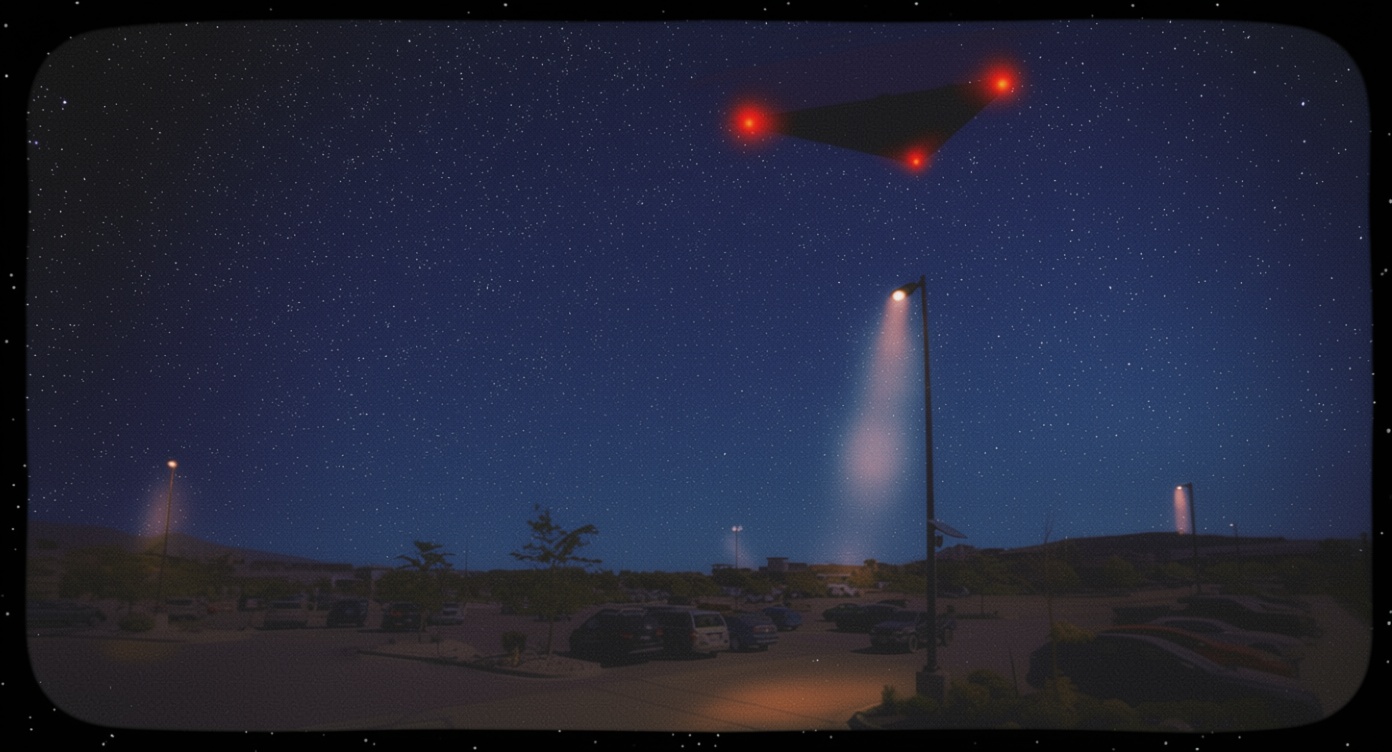
The findings also reflect a broader divide in how Americans interpret unusual aerial sightings. Some view UFO reports as proof that something extraordinary is happening and that current explanations are incomplete. Others see them as reminders of how easily misidentifications, sensor errors, atmospheric effects, and incomplete information can lead to dramatic claims. The poll appears to place the public somewhere between those positions, with skepticism serving as the dominant reaction rather than belief in alien origins. That division has long shaped debate around UFOs, but it has become more visible as lawmakers, defense officials, and intelligence agencies have taken the topic more seriously.
Context: Renewed Attention, But No Consensus
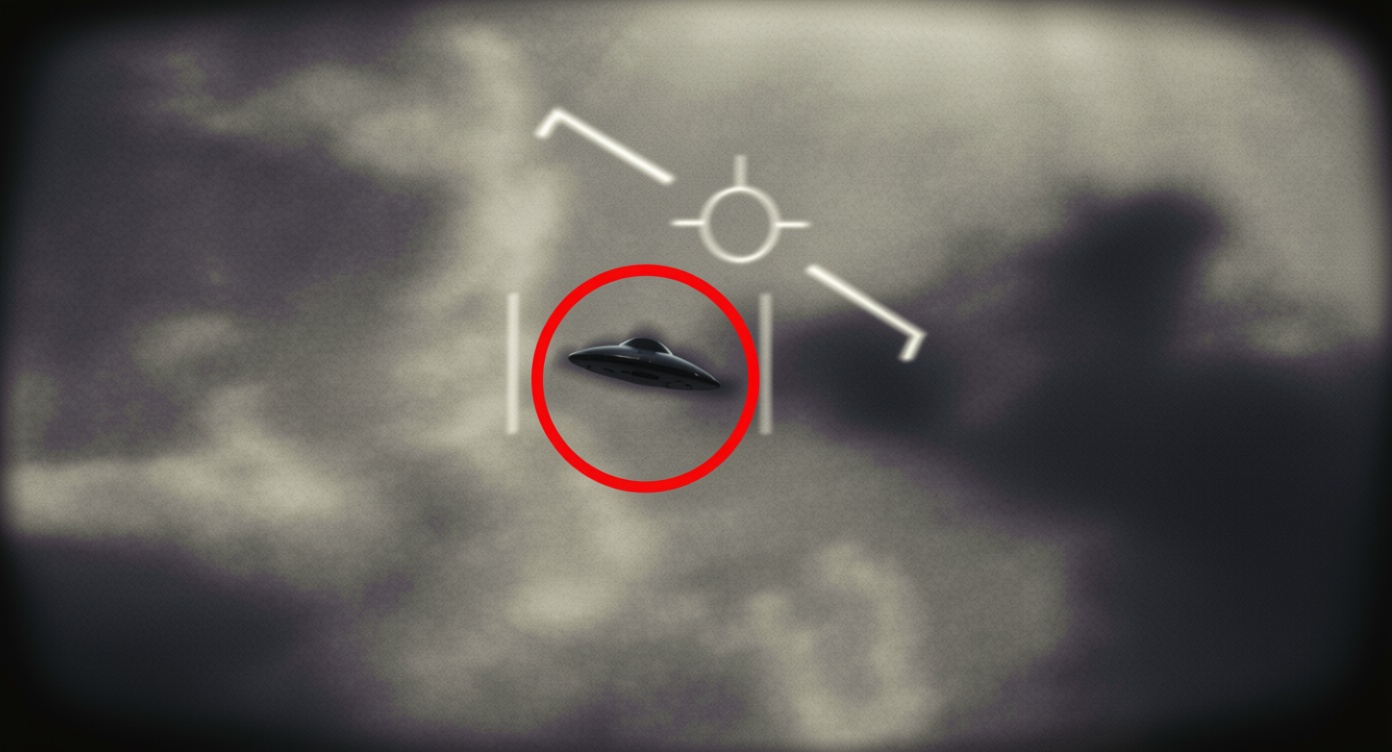
Public interest in UFOs has surged in the last several years, driven in part by declassified military footage, congressional hearings, and calls for greater transparency from federal agencies. Yet greater attention has not necessarily translated into stronger belief in extraterrestrials. If anything, polls like this suggest that Americans may be increasingly willing to acknowledge unexplained sightings without jumping to conclusions about alien technology. That distinction is important: a belief that some objects remain mysterious is not the same as believing they originate beyond Earth. The Gallup findings indicate that many respondents continue to separate the two.
What the Poll Suggests Going Forward
The latest survey highlights an enduring challenge for advocates of UAP research: public curiosity is high, but confidence in extraordinary explanations remains limited. For policymakers and researchers, that means any future disclosure or investigation is likely to face a skeptical audience that wants evidence, not speculation. It also suggests that the UFO conversation will continue to be shaped by uncertainty—about what people saw, what governments know, and how much of the phenomenon can be explained by ordinary means. For now, the poll shows that Americans are still waiting for clearer answers, and many remain unconvinced that the truth lies among the stars.