Overview
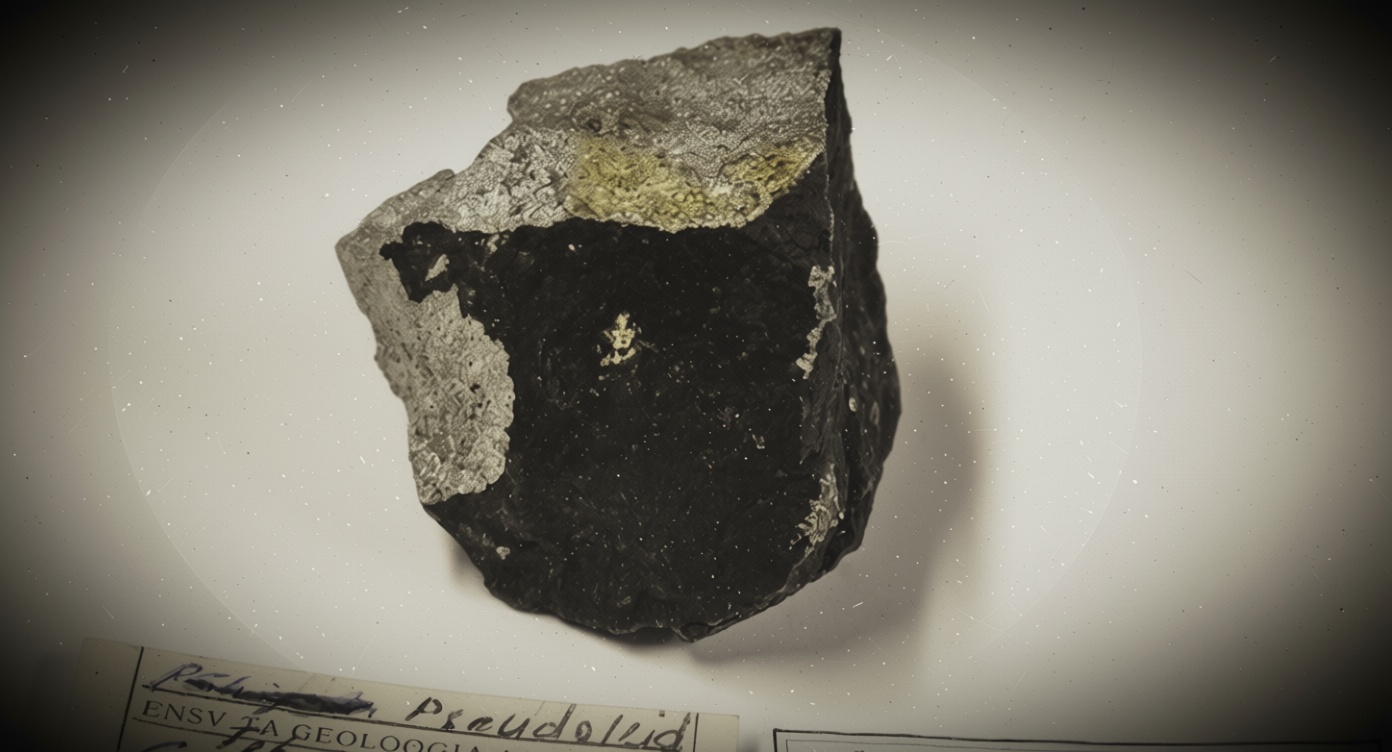
NewsNation says journalist Ross Coulthart is pointing to metals reportedly recovered by Russia from an alleged UFO and suggesting the material “appears not to be from Earth.” The claim fits into a long-running debate over whether unusual recovered materials connected to UAP cases could reveal something beyond conventional aerospace or military technology. But based on the information provided, the assertion remains unverified: the headline and summary indicate Coulthart’s view, not independent confirmation of the metals’ origin.
What Coulthart’s Claim Means
Coulthart has become one of the more prominent media figures covering unidentified anomalous phenomena, especially claims involving crash retrievals, recovered debris, and military encounters. In this case, the focus is on metals allegedly obtained by Russia from an unidentified object, with Coulthart suggesting that analysis or description of those metals points away from an ordinary terrestrial explanation. That is a significant claim, because it implies the material may have properties or composition that do not fit standard industrial or geological sources.
At the same time, the available source material does not provide laboratory data, chain-of-custody information, or the testimony of independent materials scientists. Without those details, the claim should be treated as a reported assertion, not a settled scientific conclusion. In UAP reporting, that distinction is crucial: unusual provenance can make a story compelling, but it does not substitute for transparent testing and verification.
Why The Story Draws Attention
Stories about recovered debris have long fueled public fascination with UFOs and UAPs, in part because physical material is easier to scrutinize than a fleeting visual sighting. If a sample can be tested independently, researchers may be able to determine whether it contains rare isotopes, exotic alloys, contamination, or signs of advanced manufacturing. That is why any suggestion that a recovered object’s metals are “not from Earth” immediately attracts attention among both believers and skeptics.
Still, extraordinary claims require extraordinary evidence, and the evidence standard is high. A material may appear unusual for many reasons: incomplete provenance, wartime handling, environmental contamination, misidentification, or selective interpretation of data. In the absence of peer-reviewed analysis or publicly released documentation, even a striking-sounding result remains preliminary. That does not mean the claim is false, only that it remains unresolved.
The Larger Verification Challenge
The broader issue is that UAP-related materials often exist in a gray zone between intelligence rumors, eyewitness testimony, and scientific investigation. Governments may classify records, private collectors may withhold samples, and third-party researchers may not have full access to original objects. Those barriers make it difficult to establish whether a metal’s unusual characteristics reflect something non-human, a misunderstood human-made object, or simply poor documentation.
For now, the NewsNation report adds another data point to an already crowded field of UFO speculation, but it does not settle the question of origin. Coulthart’s statement is newsworthy because of who is making it and what it suggests, yet the underlying claim still needs independent verification. Until that happens, the story belongs in the category of intriguing UAP reporting rather than confirmed evidence of extraterrestrial material.