Overview
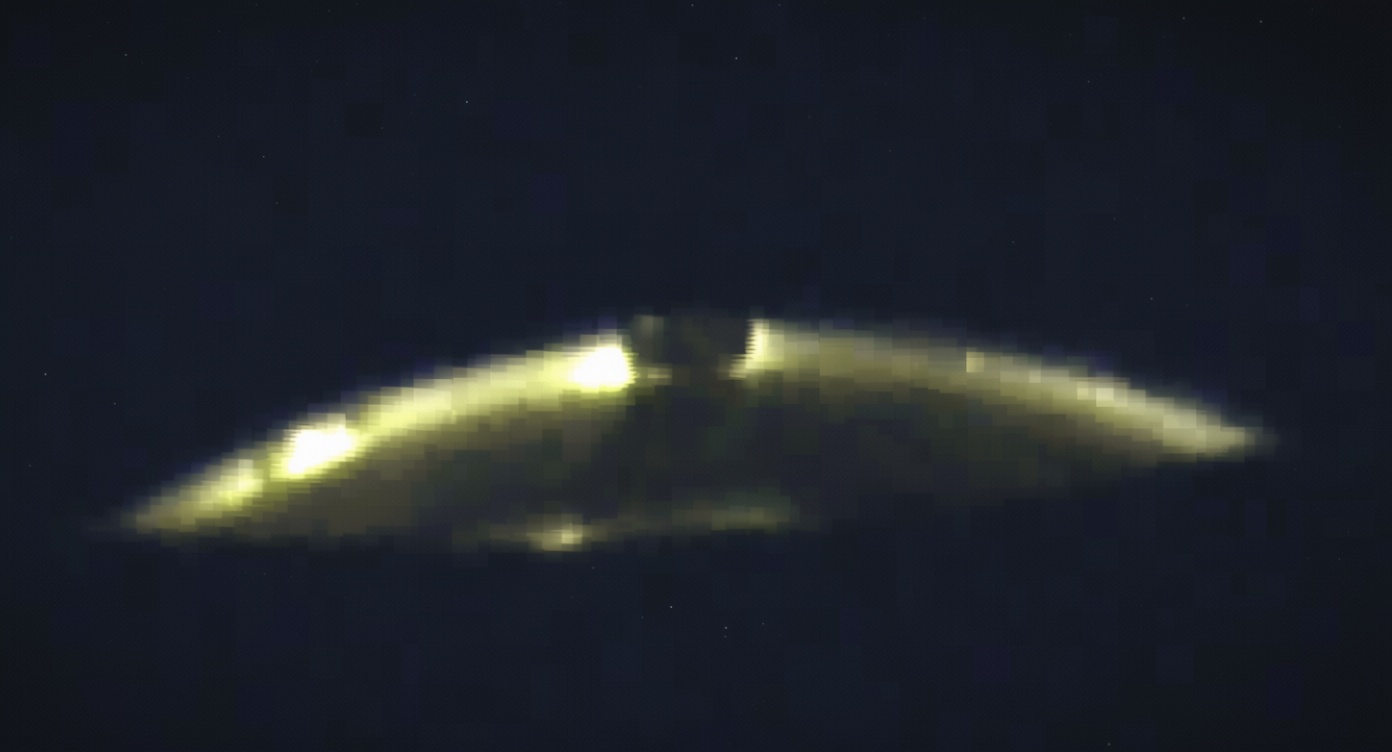
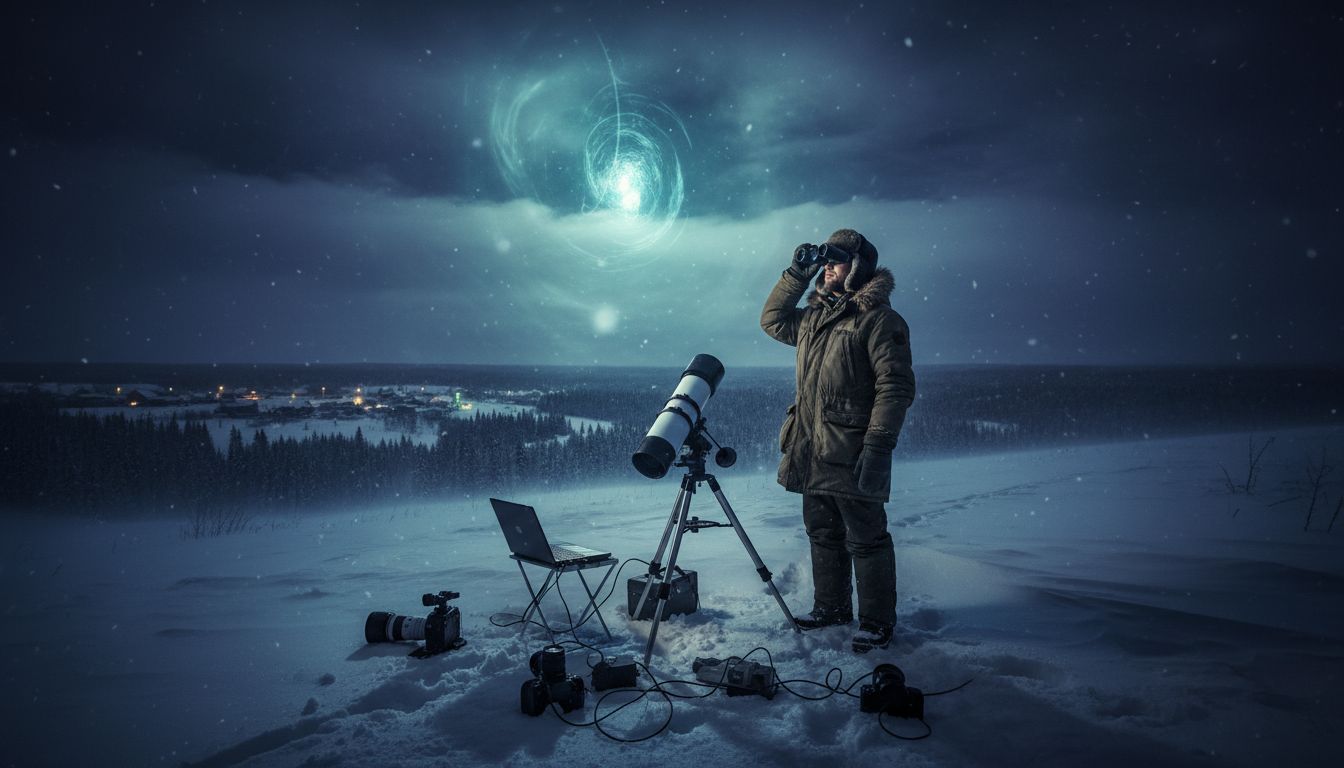
A Russian astronomer has reported a possible UFO sighting in the Omsk region, according to a brief report carried by Caliber.Az, drawing fresh attention to an observation that remains unverified. The account has generated interest largely because of the source making the claim — an astronomer — but the report published so far does not provide enough information to establish what was seen, when it occurred, or whether there is any supporting evidence. For now, the incident sits in the category of unconfirmed aerial anomaly, not a documented unidentified aerial phenomenon.
What is Known So Far
Based on the available information, the sighting was described only as possible and was linked to the Omsk region in southwestern Russia. However, no further details were released about the object’s shape, movement, altitude, duration, weather conditions, or whether the observation was made visually, through instruments, or both. There is also no indication that photographs, video, radar data, or other corroborating evidence have been made public. Without those details, the report remains essentially a claim of an unusual observation rather than a verified UFO case.
The lack of specifics is important. In UFO and UAP reporting, many cases begin as eyewitness accounts but only become meaningful in a scientific or investigative sense if they can be checked against data. That means independent witnesses, imaging, sensor records, or a credible chain of observation. In this instance, none of that appears to have been disclosed, leaving open the possibility that the sighting could have involved anything from a natural atmospheric phenomenon to a satellite, aircraft, meteor, or another ordinary explanation.
Why the Report Drew Attention
The fact that the observer is described as an astronomer gives the report additional weight in public discussion, since astronomers are typically trained to identify known celestial and atmospheric objects. Still, expertise does not eliminate uncertainty. Even experienced observers can encounter conditions that complicate interpretation, including reflections, haze, unusual flight paths, or transient light sources. That is why even credible-sounding accounts require careful verification before any conclusions are drawn.
The Omsk region itself, like many large and sparsely populated areas, can present circumstances that make distant lights or moving objects difficult to identify with confidence. In such environments, brief observations can easily become the subject of speculation, especially when the initial reporting provides few facts. The current story appears to fit that pattern: an intriguing observation has been noted, but the evidence needed to assess it has not yet been made public.
A Familiar Pattern in UFO Reporting
The case also reflects a broader reality in modern UFO coverage: many reports generate attention before verification arrives, if it arrives at all. In recent years, governments, scientists, and journalists have increasingly emphasized the need for disciplined reporting standards, including timestamps, coordinates, instrument data, and context about local aviation or astronomical conditions. Without those elements, even a serious-sounding claim can remain impossible to evaluate.
For now, the Omsk-region sighting should be treated as an unconfirmed report rather than proof of anything extraordinary. If additional information emerges — such as imagery, corroborating witnesses, or analysis from other experts — the case could be revisited with greater clarity. Until then, the incident remains a reminder that unusual skywatching reports continue to surface, but extraordinary claims still require verifiable evidence.