Overview
A new interdisciplinary study published this week in Scientific Reports links the unsettling sensations reported in many historic homes to infrasound—low‑frequency vibrations below the range of human hearing. The research, led by Dr. Emily Harris of the University of Manchester’s Department of Psychology, examined how mechanical systems such as aging boilers, ventilation fans, and water pumps generate sound waves at 0.5–20 Hz that can affect the body without being consciously heard. The team argues that these inaudible vibrations may explain why occupants often describe “cold spots,” “a feeling of being watched,” or even fleeting visual anomalies that are commonly interpreted as paranormal activity.
Infrasound and Human Physiology
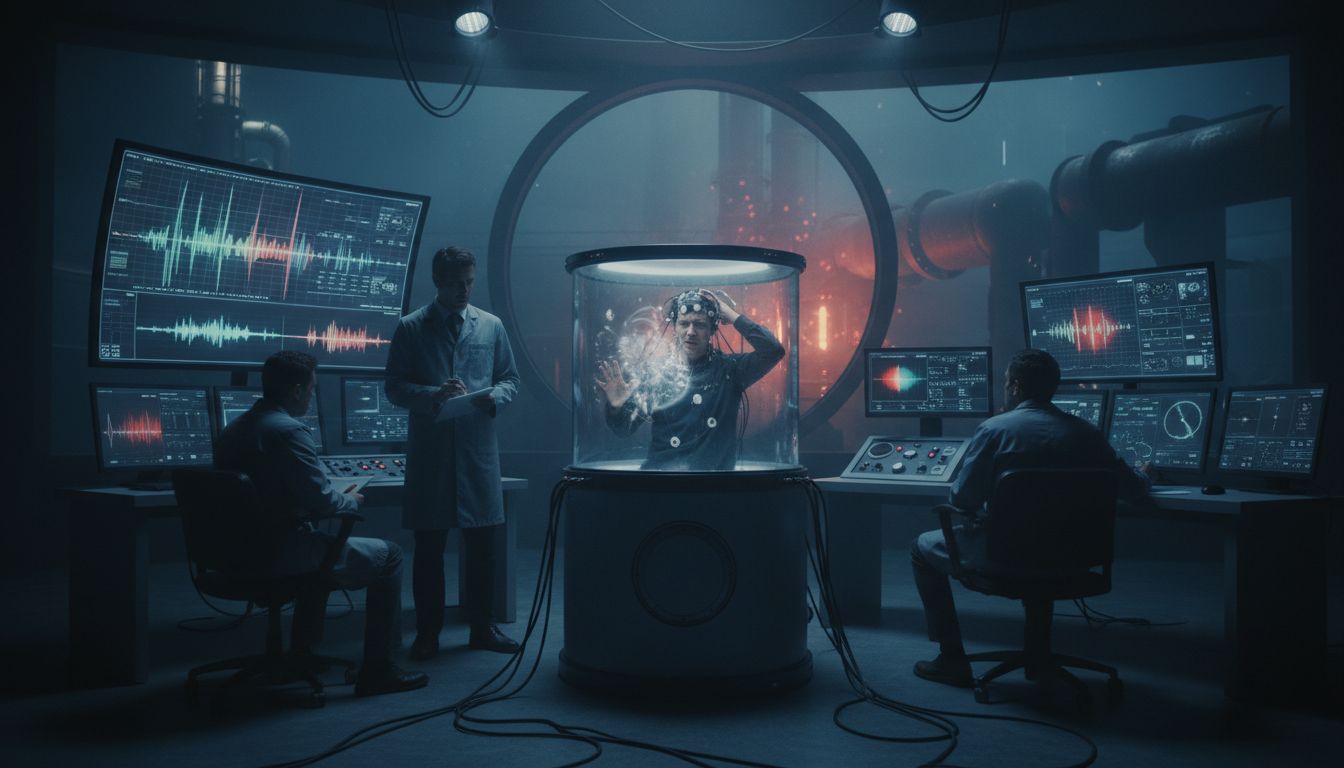
Infrasound has been documented to produce a suite of physiological responses. Laboratory tests cited by the authors show that exposure to 7 Hz tones at 100 dB can cause ear pressure, nausea, dizziness, heightened anxiety, and transient visual hallucinations. “The vestibular system, which helps us maintain balance, is particularly sensitive to low‑frequency vibrations,” Dr. Harris explained. “When that system is perturbed, the brain can generate sensations of movement or presence that feel very real, even though there is no external stimulus.” These findings align with earlier work by acoustic engineers who noted that large‑scale structures—cathedrals, bridges, and industrial plants—can unintentionally emit infrasound during normal operation.
Study Findings
The researchers conducted field measurements in 12 heritage properties across the United Kingdom, recording sound spectra while occupants completed standardized anxiety and perception questionnaires. In eight of the homes, peak infrasound levels exceeded 90 dB SPL, a threshold previously associated with discomfort. Participants in those houses reported a 45 % increase in “unexplained” sensations compared with control properties where infrasound was negligible. “We are not claiming every creak or cold draft is acoustic,” cautioned Prof. Michael O’Leary, an acoustic physicist who reviewed the data, “but the correlation is strong enough to merit further investigation, especially for building managers and mental‑health professionals dealing with chronic distress in older buildings.”
The “Missing Thunderbird” Photograph
The paper revisits a long‑standing case that illustrates how sensory misinterpretation can become folklore: the 1979 “Missing Thunderbird” photograph taken near a rural manor in Yorkshire. The black‑and‑white image shows a faint, bird‑like silhouette that sparked decades of speculation about a mysterious creature. Subsequent forensic analysis, including a recent re‑examination by the University of Leeds’ imaging lab, concluded that the shape is consistent with a low‑frequency‑induced visual artifact rather than an actual animal. “When the eye is subjected to subtle vibrations, the retina can produce fleeting patterns that the brain tries to make sense of,” noted Dr. Harris. The Thunderbird episode underscores how infrasound‑driven hallucinations can seed enduring myths.
Implications and Next Steps
While the study stops short of declaring infrasound the sole cause of all “haunted house” reports, it highlights a tangible, testable factor that can be mitigated through engineering solutions—such as retrofitting boilers with vibration dampers or installing acoustic insulation. Public health officials are also taking note; the UK’s National Health Service has issued preliminary guidance for clinicians to consider environmental acoustic exposure when evaluating patients with unexplained anxiety or somatic symptoms. Future research aims to map infrasound distribution across larger urban areas and to explore long‑term neurological effects. As Dr. Harris puts it, “Understanding the invisible soundscape of our built environment may help demystify many experiences that have, until now, been relegated to the realm of the paranormal.”