Overview
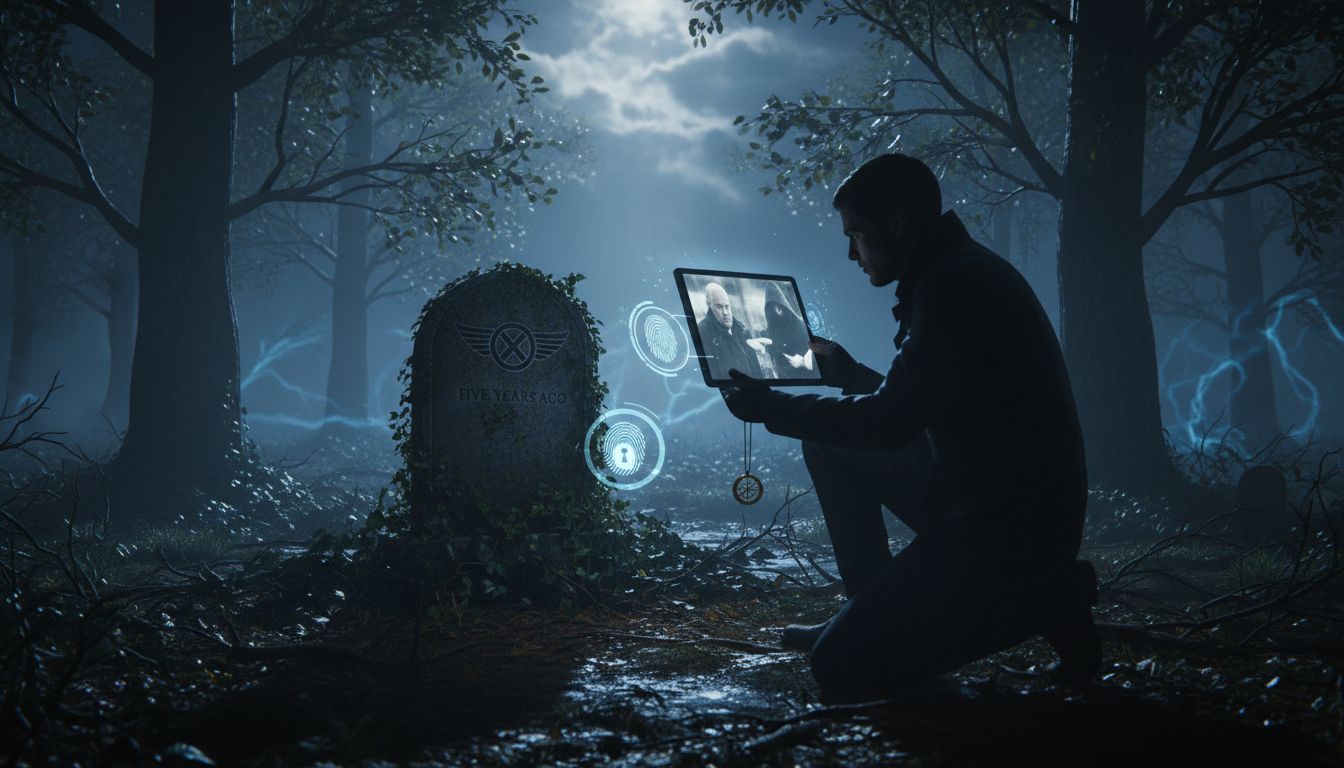
A former Department of Energy (DOE) special agent, Kevin Childress, died at his Georgia home in 2021 under circumstances that were officially attributed to COVID‑19 complications. Five years later, former Pentagon UAP (Unidentified Anomalous Phenomena) investigator Luis Elizondo has publicly questioned that conclusion, suggesting the death may be linked to a broader effort to suppress information about the DOE’s involvement in secret UAP programs. The new allegation arrives amid the latest release of classified “UFO files” and an ongoing FBI inquiry into a series of unexplained disappearances and deaths of U.S. scientists.
Background
Childress spent three decades as a criminal investigator for the DOE, a agency that, since the early 2000s, has overseen the security of nuclear facilities and related research. In recent years the DOE has been mentioned in declassified documents as a partner in inter‑agency UAP investigations, working alongside the Office of the Director of National Intelligence and the Air Force’s Unidentified Aerial Phenomena Task Force. The agency’s role, however, remains largely opaque. In 2023, the Senate Intelligence Committee released a partial report acknowledging that “multiple government entities have collected data on UAPs, including the DOE,” but stopped short of detailing operational specifics.
New Allegations
During an interview on the true‑crime series Crime Stories with host Nancy Grace, Elizondo recounted his last conversation with Childress, which occurred weeks before the latter’s death. “He told me, ‘Look, the Department of Energy has a significant role in the UAP business, and I’m pretty upset by what I have access to,’” Elizondo said, citing a Daily Mail report. Elizondo added that Childress was in “perfect health” at the time of their call, contradicting the official narrative of a sudden COVID‑related decline. He also highlighted that “no public autopsy or detailed official cause of death was ever released,” raising questions about transparency.
Official Response and Investigation
The DOE has not issued a formal comment on Elizondo’s statements. A spokesperson for the agency’s Office of Public Affairs referred to the 2021 death as a “private medical matter” and declined to provide additional details. The FBI, which is currently reviewing a series of unexplained scientist disappearances, confirmed that it is “monitoring all relevant leads” but did not elaborate on whether Childress’s case falls within its jurisdiction. Independent forensic experts have called for a post‑mortem review, noting that the lack of an autopsy limits the ability to verify the cause of death conclusively.
Implications and Next Steps
If Elizondo’s claims prove accurate, they could intensify scrutiny of the DOE’s classified UAP activities and the mechanisms used to protect—or conceal—such information. Congressional oversight committees have already expressed interest in expanding the scope of the 2023 UAP report, and several bipartisan lawmakers have urged the intelligence community to release “all relevant documentation” concerning agency involvement. Meanwhile, advocacy groups such as the Citizens’ UFO Transparency Initiative have pledged to file Freedom of Information Act requests seeking Childress’s personnel file and any internal DOE communications about UAP research.
Outlook
The resurgence of interest in Childress’s death underscores the broader tension between national‑security secrecy and public demand for transparency on extraterrestrial‑related phenomena. As the next tranche of declassified UFO files is expected later this year, investigators and journalists alike will be watching for any reference to the DOE or to Childress himself. For now, the case remains unresolved, and the call for a thorough, independent examination of the circumstances surrounding his death continues to grow.


