Overview
The documentary Smile for the Dead, directed by Hamilton Young Ward and produced by 309 Films, revisits the 19th‑century phenomenon of “spirit photography” through the story of William H. Mum‑ler, an amateur photographer who claimed to capture images of deceased loved ones. Premiering this month, the film blends archival research, reenactments, and contemporary commentary to ask whether Mumler’s work represented early photographic manipulation or an unexplained encounter with the afterlife. While the subject matter can invite speculation, the documentary grounds its narrative in documented court records, period journalism, and interviews with historians and photographic experts.
Historical Context
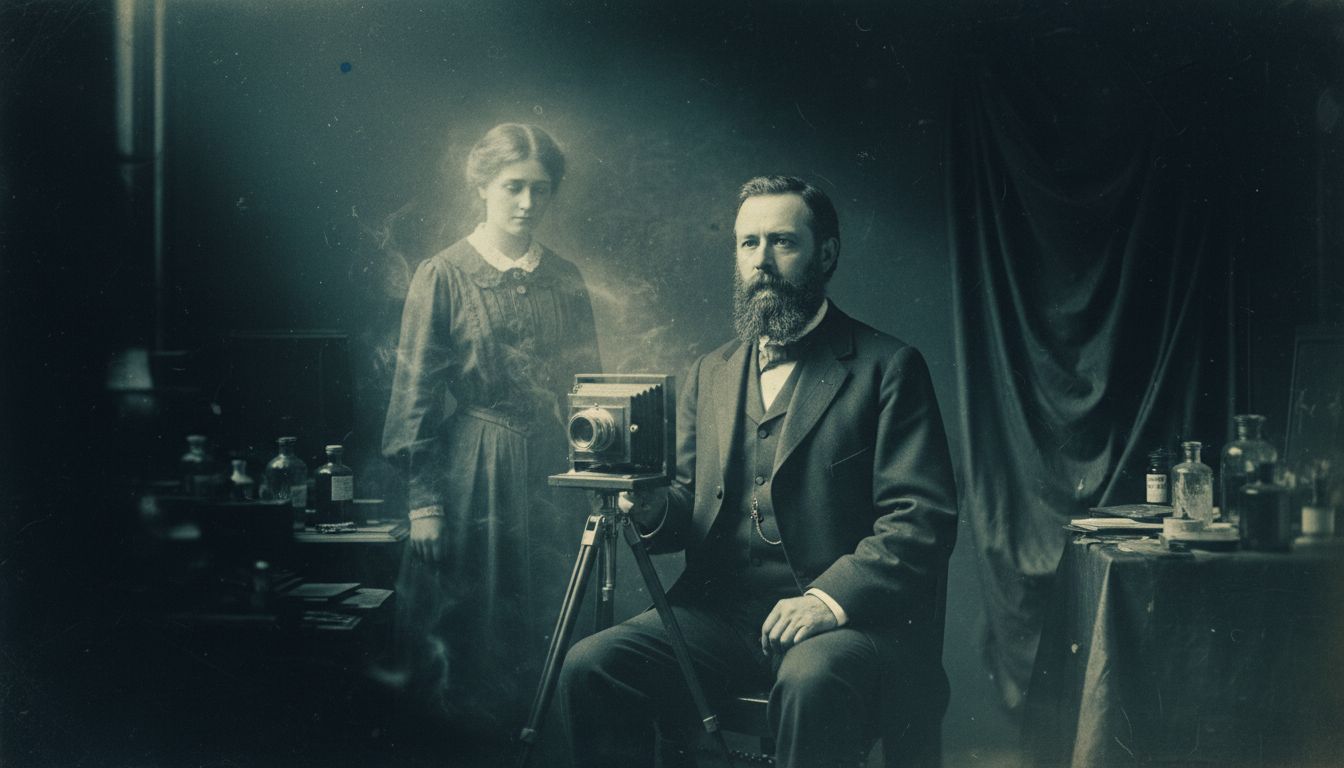
Mumler’s notoriety began in 1862 with a self‑portrait taken in the Boston studio of Helen F. Stewart, which appeared to show a faint, translucent figure standing beside the photographer. The image quickly spread through newspapers and word‑of‑mouth, prompting crowds to line up at 170 West Springfield Street hoping for portraits that would include their departed relatives. Contemporary accounts describe the studio as a “pilgrimage site” for grieving families, reflecting the era’s fascination with spiritualism and the limited means of visualizing death. The documentary situates this craze within the broader Victorian interest in mesmerism, séances, and the nascent science of photography.
Legal Controversy and Skepticism
Mumler’s rise was halted in May 1869 when New York authorities arrested him on charges of fraud and “trickery.” The ensuing trial, heavily reported in publications such as Harper’s Weekly, placed the photographer under intense public scrutiny. Prosecutors struggled to demonstrate a concrete method for producing the ghostly images, a point highlighted in the film by legal historian Dr. Eleanor Whitaker, who notes, “The lack of a clear mechanical explanation left the jury divided between belief in deception and the possibility of an unknown photographic process.” Photographers of the period, including noted studio owners, reportedly observed Mumler’s technique without detecting any sleight of hand, a claim the documentary revisits with cautious skepticism.
New Investigative Angles
Smile for the Dead expands the inquiry by presenting two contemporary perspectives. First, the “Mastermind Theory” explores the possible involvement of Mumler’s wife, who was rumored to possess “mesmeric abilities” and whose name appears on studio leases before she vanished from public records. Historian Mark Osterman remarks, “If she coordinated the séances and managed the darkroom, her role could have been pivotal to the operation’s success.” Second, the film includes footage from modern paranormal researchers who employed infrared and high‑dynamic‑range cameras to capture faint anomalies in controlled settings, suggesting that certain visual effects may elude conventional equipment. While these segments are presented as exploratory rather than conclusive, they revive the debate over whether Mumler’s images were sophisticated hoaxes or early instances of phenomena that science has yet to explain.
Conclusion
The documentary closes without a definitive verdict, instead weighing the evidence that Mumler was a skilled practitioner of photographic manipulation against the lingering possibility that his work tapped into an unexplained aspect of perception. By juxtaposing 19th‑century court transcripts, period journalism, and present‑day scientific inquiry, Smile for the Dead offers a balanced examination of a historical mystery that continues to intrigue scholars of photography, legal history, and paranormal studies. As director Hamilton Ward states in the final interview, “Our aim is not to prove the supernatural, but to understand how a society grapples with loss, technology, and the desire for proof beyond the visible.”