Overview
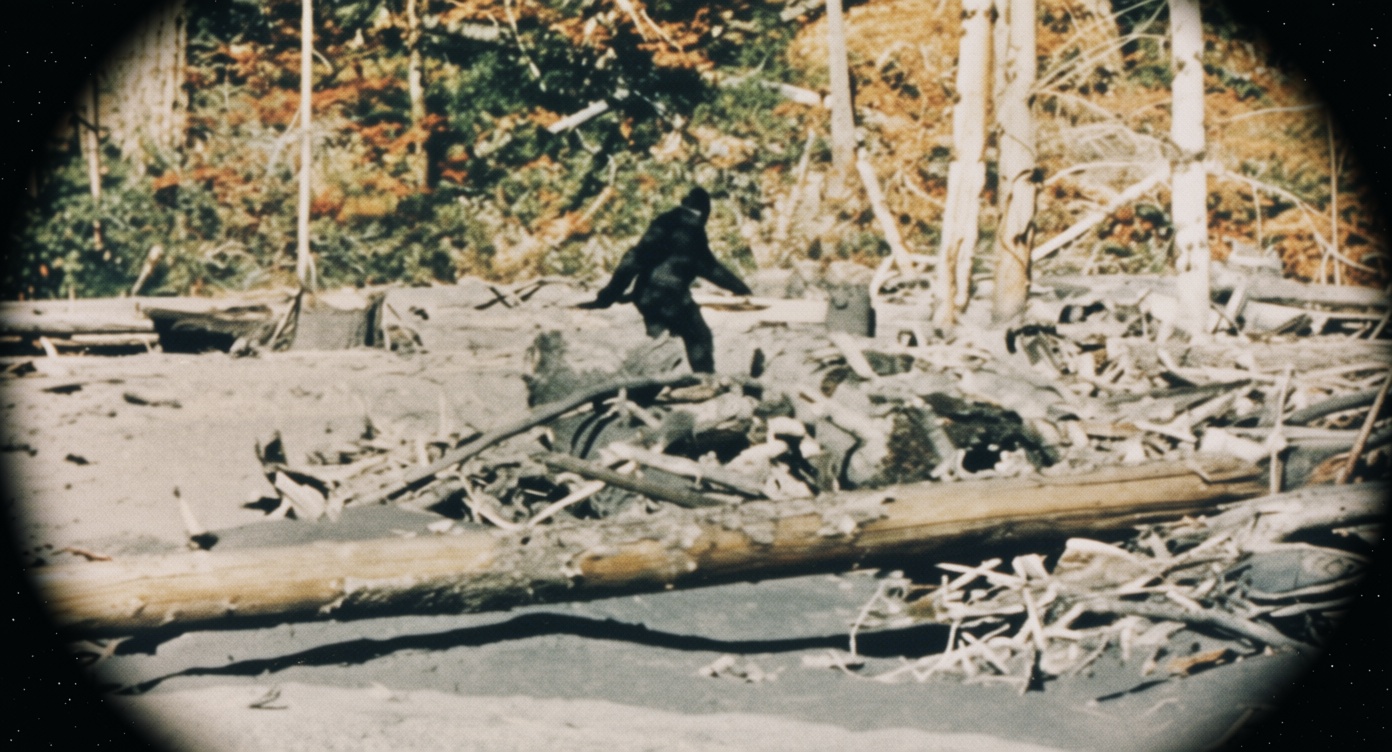
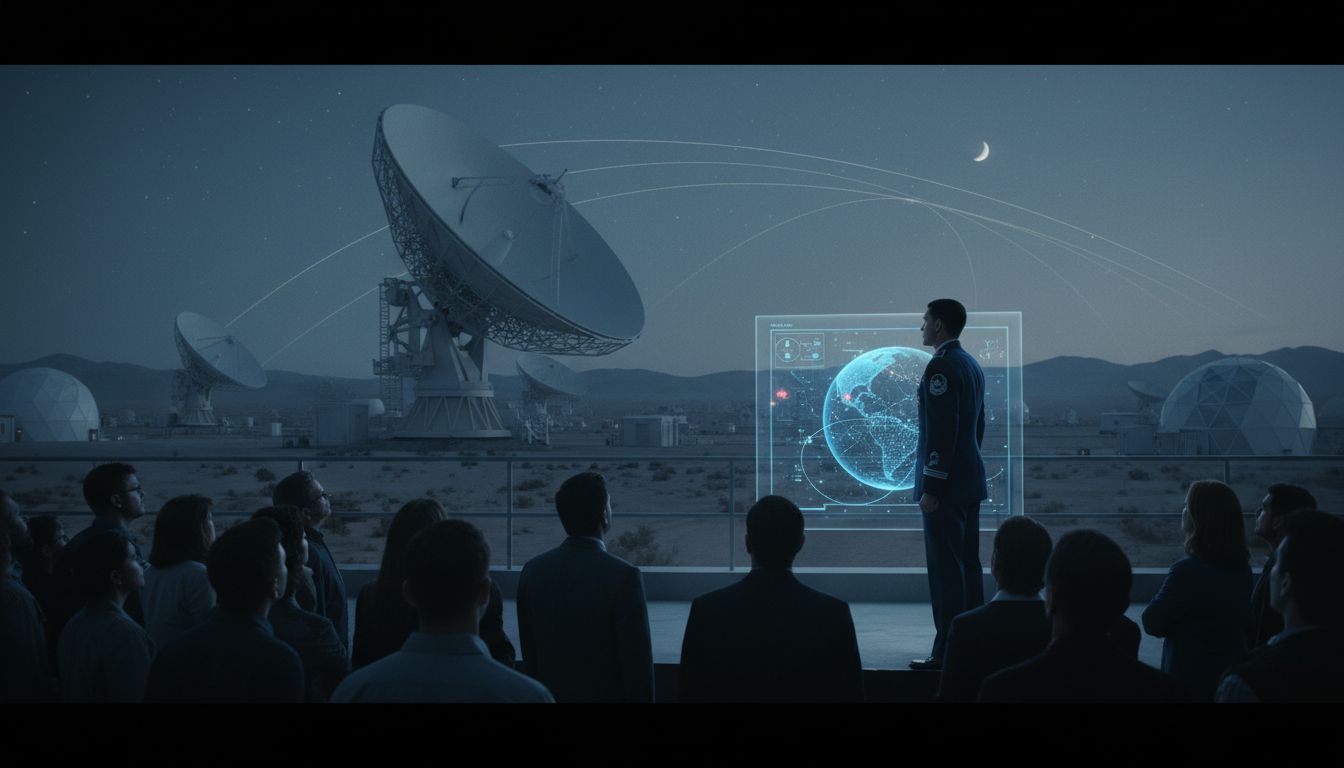
In a brief briefing to senior officials on March 5, 2026, U.S. Space Force Commander General James “Jim” Dickinson affirmed that every object currently tracked in Earth orbit is under U.S. control, dismissing long‑standing speculation about extraterrestrial craft. The comment, made amid heightened public interest following the Pentagon’s recent UAP (Unidentified Aerial Phenomena) disclosures, underscores the military’s confidence in its space‑situational‑awareness capabilities and seeks to reassure a curious public that no alien technology has been detected in the past 36 years.
Background
The United States maintains the world’s most extensive Space Surveillance Network (SSN), a constellation of ground‑based radars, optical telescopes, and space‑based sensors that catalog more than 27,000 resident space objects—from operational satellites to defunct rocket stages. Over the past three decades, the SSN has been continuously upgraded, integrating data from allied partners and commercial providers to deliver near‑real‑time tracking. This infrastructure forms the backbone of the Space Force’s Space Domain Awareness (SDA) mission, which aims to protect U.S. and allied assets from collisions, debris, and potential adversarial actions.
Official Statement
During the briefing, General Dickinson said, “Our sensors confirm that every object we monitor is either a U.S.‑owned platform, a known foreign asset, or space debris. We have found no evidence of alien spacecraft in the 36 years since the last documented encounter, and our data will continue to be transparent to Congress and the public.” He referenced the 2023–2024 Pentagon UAP report, noting that while the report identified several unexplained aerial observations, none originated from orbit and none matched the signatures of extraterrestrial technology. The commander emphasized that the SSN’s comprehensive coverage makes it “highly unlikely that a non‑human object could remain undetected in the orbital environment.”
Implications for Policy and Security
The commander’s remarks arrive at a critical juncture for U.S. space policy. Lawmakers are debating the National Space Security Act, which would expand the Space Force’s authority to engage potential threats in orbit. By asserting full control over tracked objects, the Space Force bolsters the argument that existing SDA capabilities are sufficient to detect and respond to hostile incursions, reducing the urgency for new legislative measures aimed at “alien‑related” contingencies. Moreover, the statement may influence future funding allocations, directing resources toward debris mitigation and sensor modernization rather than speculative extraterrestrial research.
Public Reaction and Future Outlook
UFO enthusiasts and advocacy groups have expressed disappointment, noting that the declaration “doesn’t close the case” but rather reflects current detection limits. Meanwhile, scientific communities have welcomed the transparency, urging continued collaboration between government agencies and civilian astronomers to improve data sharing. As the Space Force prepares to launch its next generation of Space Fence sensors later this year, the ability to differentiate between human‑made objects and any truly anomalous phenomena will become even more precise. For now, General Dickinson’s unequivocal stance serves as a reminder that, despite popular imagination, the skies above remain under human stewardship.