Overview
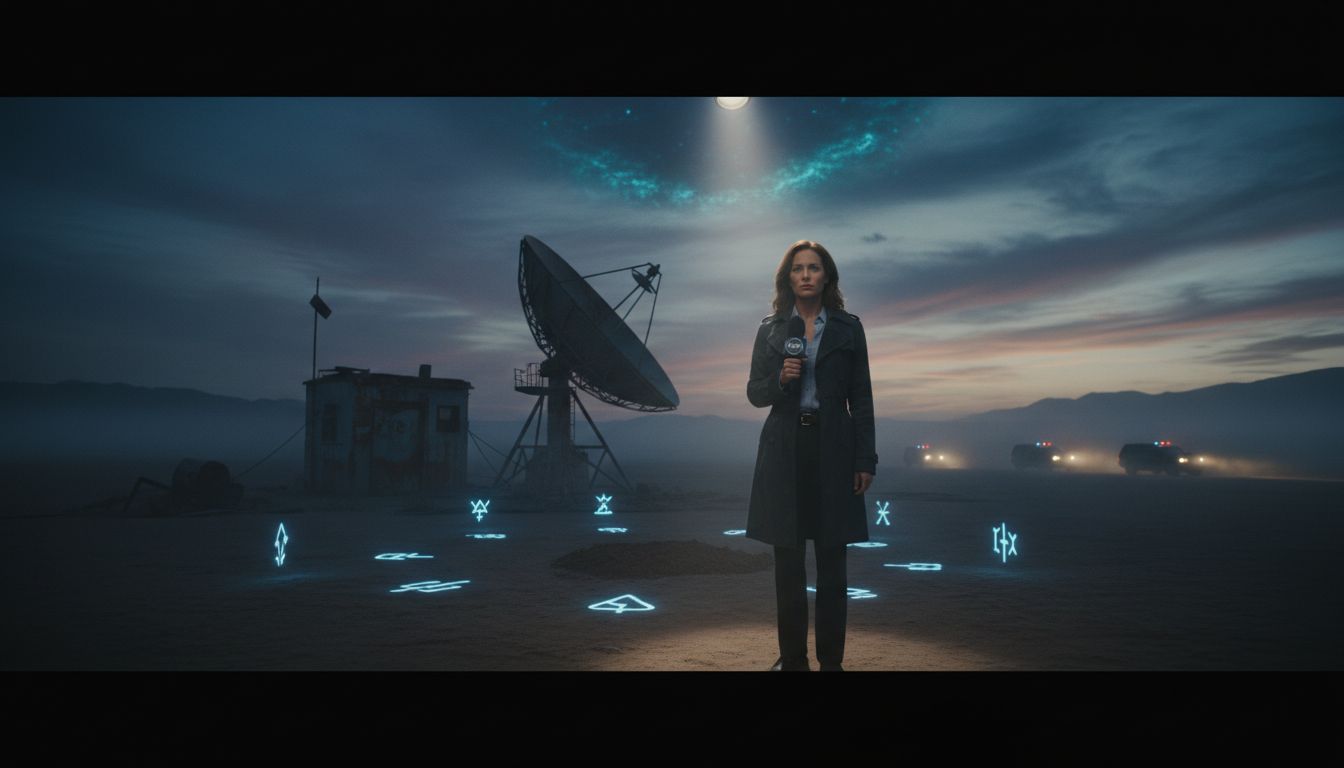
A recent report by NewsNation senior reporter Lauren Conlin highlights a troubling similarity between the disappearance of former aerospace engineer Steven Garcia and the unexplained vanishings of nine other individuals who have previously worked on or spoken publicly about unidentified aerial phenomena (UAP). Garcia, who was last seen on March 28, 2026, after leaving his home in El Paso, Texas, has not been located despite an extensive search by family members and local authorities. Conlin’s investigation suggests that the pattern of these disappearances may point to a broader, as‑yet‑unexplained connection to ongoing UAP inquiries conducted by U.S. defense and intelligence agencies.
A Growing Pattern of Insider Vanishings
Since 2019, at least ten people with direct involvement in UAP research or disclosure have disappeared under circumstances that remain unresolved. Among the most cited cases are former Pentagon UAP program director Neil McCasland, retired Air Force pilot David Grusch, and whistle‑blower Luis Elizondo—all of whom reported to have been contacted by federal officials before vanishing. Conlin notes that each case shares several common elements: the individuals were actively engaged in UAP‑related work, received unexplained visits or phone calls from unknown parties, and subsequently disappeared without a trace.
Garcia’s profile fits this mold. A veteran of the United States Air Force’s Advanced Aerospace Threat Identification Program (AATIP), he had recently been scheduled to testify before a congressional subcommittee on UAP data sharing. According to his sister, Maria Garcia, “He was excited about finally speaking openly, but the night before his testimony he received a cryptic call asking him to meet at a coffee shop downtown. He never showed up, and the next morning he was gone.”
Possible Links to Ongoing UAP Investigations
The Department of Defense’s All‑Domain Anomaly Resolution Office (AARO), established in 2022, has been tasked with cataloguing and analyzing UAP sightings across air, sea, and space domains. While AARO’s public briefings have emphasized transparency, critics argue that the agency’s internal processes remain opaque.
Security analyst Dr. Evelyn Hart, who advises the Congressional UFO Oversight Committee, cautions that “the coincidence of multiple insiders disappearing after expressing willingness to cooperate with official investigations raises legitimate questions about operational security, potential intimidation, or even internal leaks.” Hart adds that the lack of a coordinated response from federal law‑enforcement agencies—beyond standard missing‑person protocols—may reflect the classified nature of the work these individuals performed.
Official Responses and Ongoing Investigations
When approached for comment, a spokesperson for the Office of the Director of National Intelligence (ODNI) declined to discuss specific cases, citing “privacy and ongoing investigative considerations.” The El Paso Police Department confirmed that a missing‑person report was filed on April 1, 2026, and that a standard search operation is underway, but they have not disclosed any leads.
The U.S. Senate Select Committee on Intelligence, which holds jurisdiction over UAP matters, issued a brief statement on April 12, 2026, indicating that “the Committee is aware of the concerns raised by the families of individuals involved in UAP research and is monitoring the situation closely.” No formal hearing has been scheduled to address the disappearances directly.
Context and Outlook
The resurgence of interest in UAPs—spurred by the 2023 release of the Preliminary Assessment on Unidentified Aerial Phenomena and subsequent congressional hearings—has placed former insiders in the public eye. While some observers attribute the disappearances to personal or unrelated criminal activity, the repeated alignment of professional involvement, recent contact with government officials, and sudden vanishings cannot be dismissed without thorough investigation.
Garcia’s family, together with advocacy groups such as UAP Truth, have called for an independent, bipartisan inquiry into the pattern of insider disappearances. “We deserve answers—not only for Steven but for every person who risked their career to shed light on a phenomenon that may affect national security,” said Maria Garcia.
As the UAP community awaits further clarity, the convergence of these cases underscores the challenges inherent in balancing transparency with classified security protocols. Whether the pattern reflects a coordinated effort to silence witnesses, an unintended consequence of heightened scrutiny, or an as‑yet‑unknown factor, the unanswered questions continue to fuel public and legislative demand for accountability.


