Overview
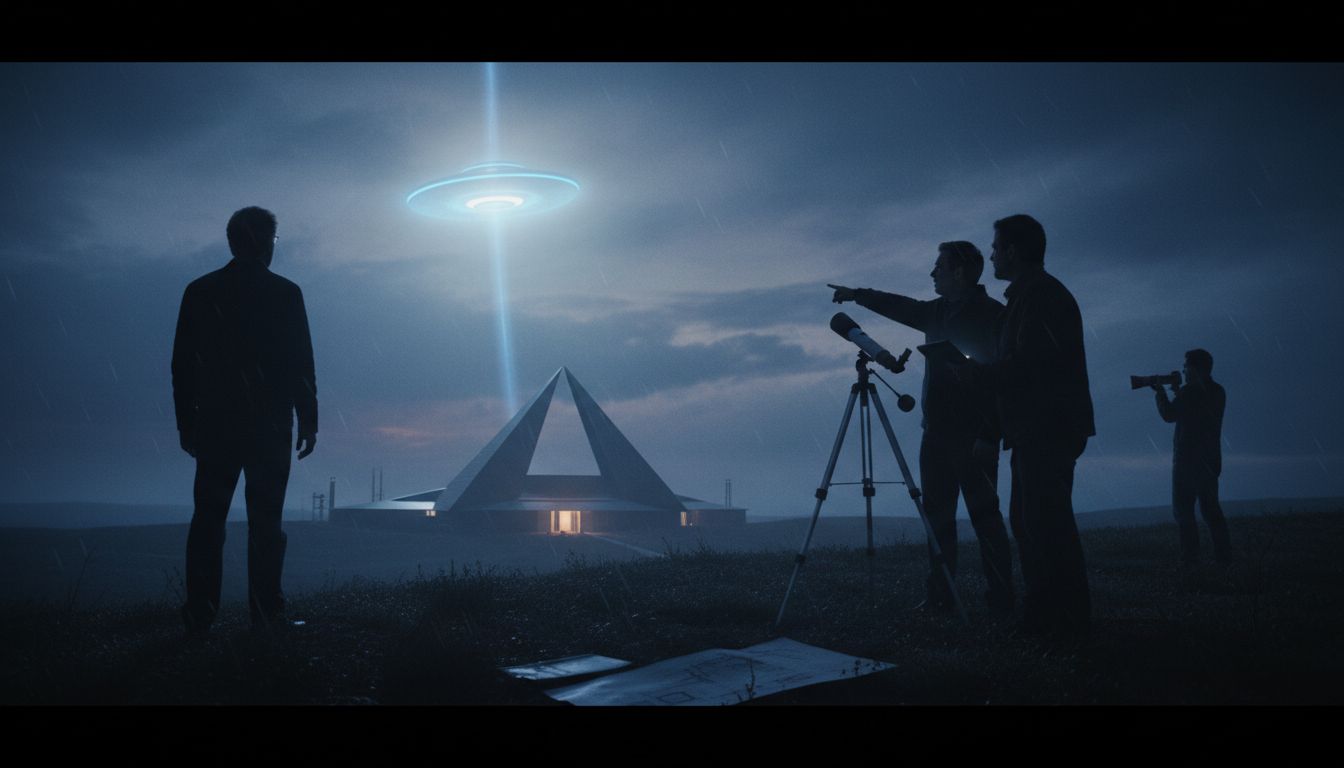
Hollywood director Steven Spielberg has long expressed a fascination with unidentified aerial phenomena, a passion that now appears to be shaping his next cinematic venture. In a recent interview, Spielberg asked, “If someone knows we’re not alone, why haven’t we been told?” The question frames his upcoming film “Disclosure Day,” slated for release later this year. While the project remains under wraps, industry analysts and UFO researchers are already dissecting its potential themes and cultural impact.
“Disclosure Day” – Spielberg’s Latest Vision
According to film commentators Greg Taylor and Miguel Romero, “Disclosure Day” is expected to explore the societal fallout of an official acknowledgment of extraterrestrial life. Taylor notes that Spielberg’s track record—Close Encounters of the Third Kind and E.T.—suggests a narrative that balances wonder with the ethical dilemmas of contact. Romero adds that the film may delve into the role of “gatekeepers”—government or corporate entities that allegedly suppress information about UFOs. Both writers point to Spielberg’s recent remarks as a signal that the movie will not merely entertain but also provoke public debate about transparency and the unknown.
Expert Perspectives on Public Readiness
UFO researcher David Freeman argues that the American public is increasingly prepared for an official disclosure. Citing recent Pentagon releases and the establishment of the All‑Domain Anomaly Resolution Office (AARO), Freeman says, “The tide has turned; people are no longer dismissive skeptics but engaged citizens demanding answers.” He emphasizes that cultural products like Spielberg’s film can act as catalysts, translating complex scientific and policy discussions into accessible stories that resonate with a broad audience.
Historical Context: The Varginha Incident
Adding a historical dimension, retired USAF Colonel Fred Claussen recounted his involvement in the 1996 Varginha incident in Brazil, one of the most documented UFO sightings. Claussen described a series of radar contacts and eyewitness reports of a “metallic craft” that allegedly crashed near the city. Though the Brazilian military never issued a formal statement, Claussen’s de‑classified notes, now part of a public archive, detail “unusual electromagnetic readings” and “unexplained personnel movements” at the site. His account underscores the long‑standing pattern of alleged sightings followed by limited official acknowledgment.
Institutional Developments: Academic Study of UFOs
In parallel with media attention, academia is taking a more formal approach to the subject. Montana Tech announced a new undergraduate course titled “UFO Phenomena and Scientific Inquiry.” The syllabus promises to examine historical cases, data analysis techniques, and policy frameworks, aiming to equip students with critical tools to assess anomalous aerial events. The program’s director, Dr. Lena Ortiz, highlighted that “educating the next generation of scientists on how to rigorously investigate UFO reports is essential for any future disclosure process.”
Outlook
As Spielberg’s “Disclosure Day” moves toward production, the convergence of cinematic storytelling, scholarly research, and firsthand military testimony creates a fertile ground for public discourse on extraterrestrial life. Whether the film will spark policy change or simply add to the cultural mythos remains uncertain. Nonetheless, the combined signals from Hollywood, the scientific community, and former military officials suggest that the question Spielberg poses—why haven’t we been told?—is moving from speculation toward a mainstream conversation that could reshape how society views the skies above.


