Overview
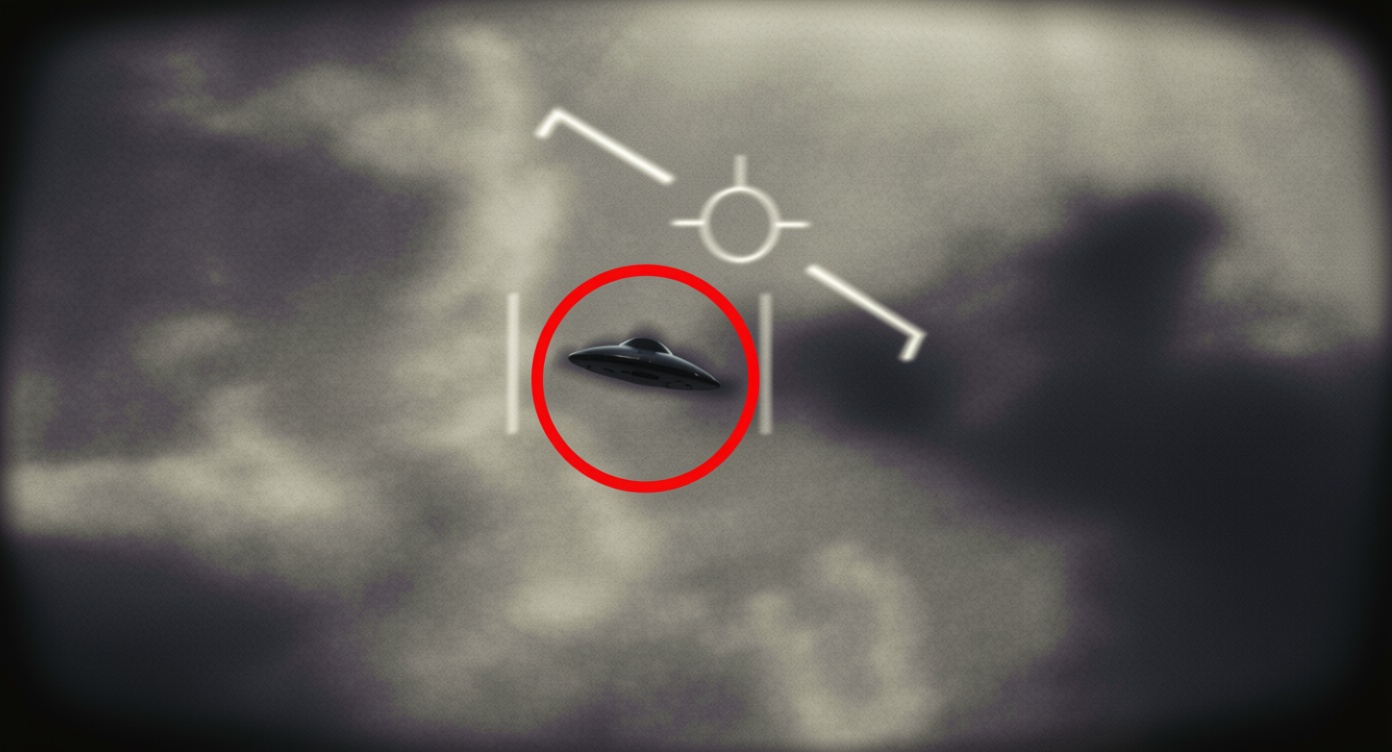
Steven Spielberg is returning to a subject that has shadowed much of his filmmaking career: the possibility that humanity is not alone in the universe. In an Associated Press interview, the Oscar-winning director said his new project, “Disclosure Day,” is meant to be a serious examination of UAPs — not another science-fiction spectacle built around alien invasion or fantasy. The comments signal a deliberate shift in tone for a filmmaker whose work has often shaped the public imagination around extraterrestrial life, from wonder-filled close encounters to more emotionally grounded depictions of contact.
Spielberg framed the project as part of a longer personal curiosity about life beyond Earth, revisiting a question that has surfaced throughout his career: Are we alone? That theme has long resonated with audiences because it blends scientific uncertainty with a deeply human response to the unknown. By emphasizing seriousness rather than genre thrills, Spielberg appears to be positioning “Disclosure Day” within the growing cultural conversation around unidentified anomalous phenomena and the efforts to separate speculation from evidence.
Revisiting a Familiar Theme
Spielberg’s remarks are notable in part because his films have helped define the modern cinematic language of extraterrestrial encounter. Works such as Close Encounters of the Third Kind and E.T. the Extra-Terrestrial offered very different emotional lenses on the subject, one awe-struck and mysterious, the other intimate and empathetic. According to the AP interview, he reflected on that earlier body of work while discussing how “Disclosure Day” fits into his own long-running fascination with the unknown.
The director’s approach reflects a broader shift in how UAPs are discussed in public. What was once treated largely as fringe material has increasingly entered mainstream debate through government hearings, military witness accounts, and calls for more transparency. Spielberg’s decision to explore the subject seriously may help further normalize that conversation, especially among audiences who know the issue more through pop culture than policy or science. Still, the project’s exact form remains unclear, and Spielberg did not present it as a claim about proof, but as an inquiry into an enduring mystery.
Beyond the Skies
The AP interview also touched on more personal subjects, underscoring the breadth of Spielberg’s public persona beyond blockbuster filmmaking. He spoke about empathy, a quality that has long been central to his most enduring movies, and discussed seemingly lighter topics including Froot Loops and Westerns. The range of conversation offered a reminder that Spielberg’s influence extends well beyond any single genre or theme.
That blend of serious reflection and approachable humor has long defined Spielberg’s public image. Whether discussing childhood wonder, moral responsibility, or the emotional power of storytelling, he often returns to the idea that films can help people understand themselves and one another. In that context, a project centered on UAPs is less a detour than a continuation of a career spent exploring curiosity, fear, hope, and the possibility of connection.
For now, “Disclosure Day” stands as another entry in Spielberg’s long relationship with the unknown — one that this time is being framed not as fantasy, but as a serious look at a subject that continues to challenge science, government, and public imagination alike.