Overview
In a light‑hearted opinion piece for the Carroll Times Herald, local writer James Whitaker admits he is still waiting for his first personal encounter with an unidentified flying object, even as the nation experiences a notable uptick in reported sightings. Published on January 16, 2026, Whitaker’s essay captures a common sentiment: while public fascination with UFOs (or UAPs—unidentified aerial phenomena) remains high, many everyday observers have yet to experience anything themselves. The piece serves as a reminder that the cultural buzz around extraterrestrial speculation often outpaces individual experience.
A Surge in Reported Sightings
The timing of Whitaker’s commentary coincides with a wave of official and civilian data releases. In late 2024, the U.S. Office of the Director of National Intelligence (ODNI) issued a comprehensive UAP assessment, documenting over 400 credible incidents from 2004‑2023, many of which involved military pilots and advanced sensor platforms. NASA’s newly formed UAP research team, launched in 2025, reported more than 2,000 civilian sightings logged through its public portal in the first year alone, a 30 % increase from the previous year. State and local agencies across the country have also logged spikes, with the Texas Department of Public Safety noting a 45 % rise in reports during the summer of 2025.
Public Fascination Remains Strong
Whitaker’s humor underscores a broader societal trend: despite—or perhaps because of—the flood of reports, the public’s curiosity about what lies beyond our atmosphere has never been stronger. A recent Pew Research Center poll (November 2025) found that 68 % of Americans believe that “some UFO sightings are likely to be genuine,” and 42 % think that an extraterrestrial visit is “possible within the next 50 years.” Social media platforms have seen a surge in hashtags such as #UAPWatch and #SkyMysteries, while local sky‑watch clubs report record attendance at night‑time observation events.
The Personal Perspective
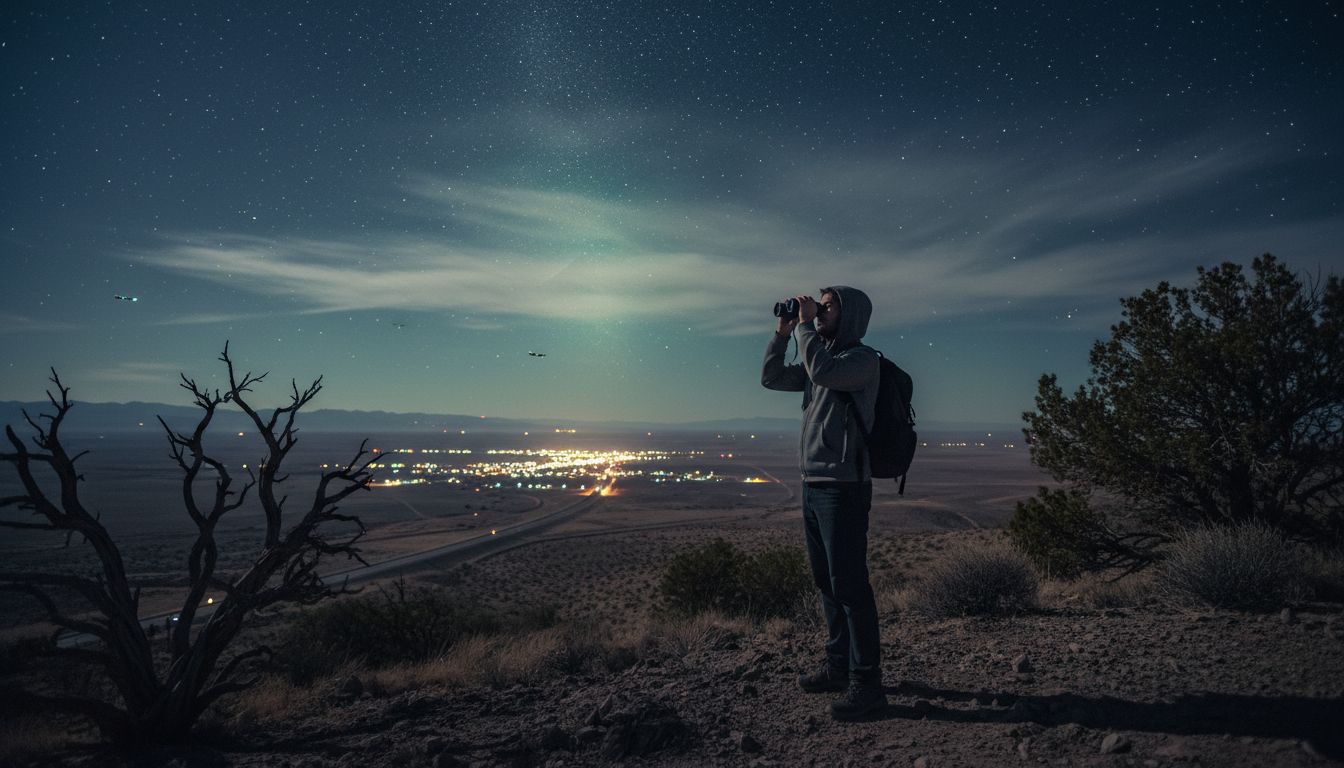
In his article, Whitaker writes, “I’ve scoured the night sky from the fields behind my house to the rooftops of Carroll County, yet the only thing I’ve caught is a stubborn moth and a distant airplane.” His tongue‑in‑cheek confession reflects a common experience among skeptics and enthusiasts alike: the absence of a definitive, personal sighting does not diminish the intrigue. Whitaker adds, “Maybe the truth is out there, but for now, I’ll keep my binoculars ready and my imagination even sharper.” By framing his own patience within the larger national discourse, he highlights the gap between statistical reports and individual validation.
Looking Ahead
As government agencies continue to declassify data and scientific bodies like NASA pursue systematic study, the line between anecdote and evidence may gradually blur. Whitaker concludes on an optimistic note, noting that “the sky is a big place, and every night brings a new chance.” Whether future sightings will finally land on his personal horizon remains uncertain, but the growing institutional attention suggests that the conversation around UAPs will stay in the public eye. For now, the awaited first sighting remains a personal milestone yet to be recorded, echoing the sentiment of many who watch the heavens with a mix of hope, humor, and healthy skepticism.


