Overview
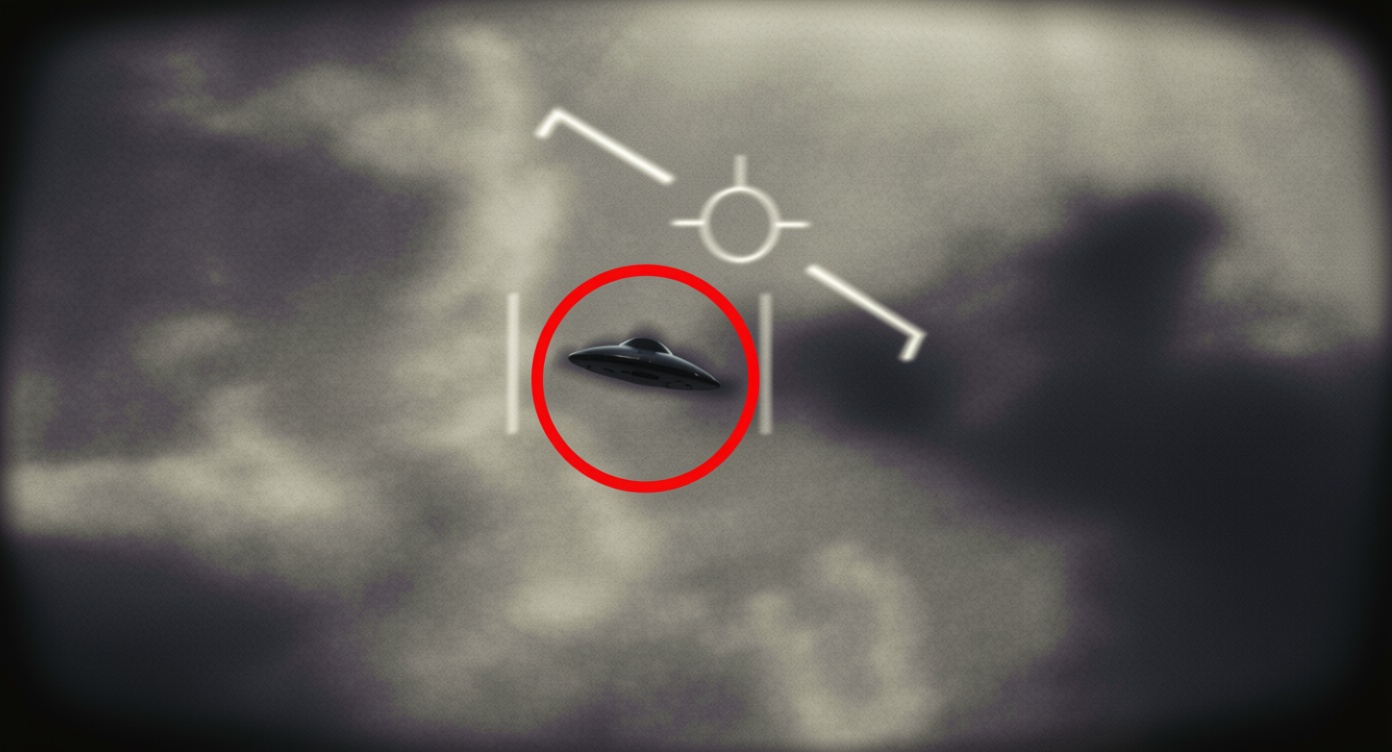
A new survey suggests that recent UFO and UAP news coverage is shaping public belief in extraterrestrial life, with younger Americans appearing especially receptive to the idea. The poll, conducted by Talker Research between July 1 and July 6, 2026, surveyed more than 2,000 Americans and found that 37% said recent reporting on unexplained aerial phenomena has increased their belief in extraterrestrial life. By contrast, 54% said the coverage had not changed their views, while just 10% reported becoming less likely to believe in ET. The findings point to a notable cultural effect: media attention to UFOs appears to be doing more to reinforce belief than to diminish it.
Gen Z Appears Most प्रभावित
The survey’s strongest signal came from Gen Z respondents, who were substantially more likely than older Americans to say UFO coverage had strengthened their belief that intelligent life exists elsewhere in the universe. According to the results, 54% of Gen Z said recent UAP news increased their belief in extraterrestrial life. That compares with 45% of millennials, 36% of Gen X, and just 23% of baby boomers. The generational gap suggests that younger adults may be more open to revisiting longstanding assumptions about the possibility of alien life, particularly as UAP stories have moved from the fringes of internet culture into mainstream news, government hearings, and podcast discussion.
The survey also found only a modest difference by gender. 34% of men said UFO coverage had made them more likely to accept that humanity may not be alone, compared with 33% of women. While the gender split is narrow, the age breakdown indicates that exposure to modern UAP reporting may be resonating most strongly with audiences who have grown up in a media environment where speculation, documentation, and debate are constantly layered across television, social media, and streaming platforms.
Media, Memory, and the UFO Feedback Loop
The findings fit into a broader pattern researchers and observers have long noted: public understanding of unexplained aerial sightings is often shaped by the stories and images people consume. The article accompanying the survey points to the 1947 Kenneth Arnold sighting near Mount Rainier as an early example of a widely publicized case that helped define the language and imagery used to describe UFOs. Over time, entertainment media has also influenced how people imagine alien encounters, creating a feedback loop in which reported sightings, dramatic depictions, and public expectations continuously reinforce one another.
That does not mean every sighting is explained by cultural influence, only that media can affect how people interpret or describe anomalous experiences. A 2025 paper in Evolutionary Human Sciences describes a “two-way feedback loop between behavior and beliefs,” a concept that helps explain how repeated exposure to certain narratives can shape what people think is plausible. In the case of UFO reporting, the cycle may be especially powerful: the more the subject is covered, the more it becomes normalized, and the more likely audiences may be to view unexplained events through an extraterrestrial lens.
What the Survey Suggests
Taken together, the results suggest that UFO media is not merely reporting on public curiosity — it may be actively influencing it, particularly among younger Americans. With government hearings, military UAP disclosures, whistleblower claims, and a constant stream of digital coverage keeping the issue in the spotlight, belief in extraterrestrial life appears to be increasingly intertwined with the news cycle itself. The survey does not prove causation, but it does indicate that for many respondents, especially Gen Z, the modern UAP conversation is doing more than entertaining speculation: it is helping shape what they think may be true.