Overview
America’s cultural landscape is expanding beyond traditional art galleries and natural‑history halls. A growing number of niche institutions are turning curiosities—ranging from the absurd to the mysterious—into curated experiences that draw both locals and tourists. Recent travel data shows a 12 % rise in visits to “off‑beat” museums over the past two years, reflecting a broader appetite for immersive, story‑driven attractions. Among the most talked‑about are two venues that sit at the intersection of science, folklore, and public intrigue: the International UFO Museum and Research Center in Roswell, New Mexico, and the newly relocated International Cryptozoology Museum in Bangor, Maine.
The International UFO Museum and Research Center
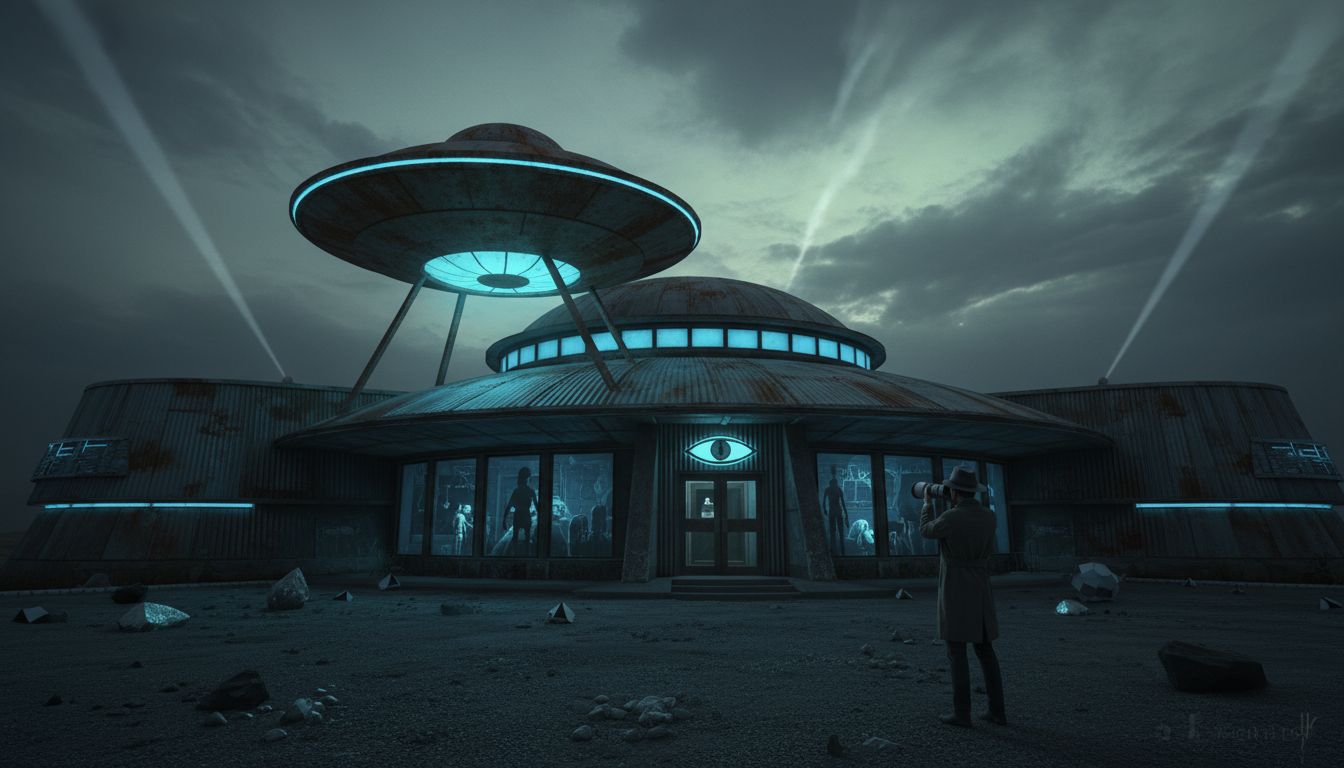
Founded in 1991, the International UFO Museum and Research Center (IUFORC) has become the de facto pilgrimage site for anyone interested in unidentified aerial phenomena (UAP). Housed in a modest brick building near the infamous 1947 Roswell incident site, the museum showcases a collection of declassified government documents, eyewitness testimonies, and physical artifacts such as alleged debris fragments and a 1950s “black triangle” photograph. Curator Dr. Elena Ramirez, a former aerospace engineer turned researcher, emphasizes the museum’s dual mission: “We aim to preserve the historical record while encouraging rigorous, peer‑reviewed study of aerial anomalies.” The exhibit space includes a recreated 1947 air‑base hangar, an interactive “UAP Radar Lab” where visitors can track simulated sightings, and a research library that has recently acquired the National Archives’ 2020 UAP report. While the subject remains controversial, IUFORC’s commitment to transparency has earned it a modest grant from the National Science Foundation for “public science communication on atmospheric phenomena.”
Cryptozoology’s New Home in Bangor
The International Cryptozoology Museum, originally opened in Portland, Maine, announced a move to a 12,000‑square‑foot facility on Bangor’s historic waterfront in June 2024. Founded by renowned cryptozoologist Loren Coleman, the museum houses over 3,000 specimens and memorabilia linked to legendary creatures such as Bigfoot, the Loch Ness Monster, and the Chupacabra. The relocation, funded in part by a $250,000 state cultural‑heritage grant, expands display capacity and adds a climate‑controlled laboratory for DNA analysis of hair and tissue samples. “Our new space lets us treat cryptozoology with the same scientific rigor we apply to conventional zoology,” Coleman said at the ribbon‑cutting ceremony. Highlights include a plaster cast of a 1978 “Sasquatch footprint” discovered in Washington state, a collection of alleged Chupacabra skins, and a rotating exhibit on modern citizen‑science initiatives that use motion‑sensor cameras to monitor remote habitats. The museum also offers workshops on critical thinking and myth‑making, positioning itself as both a repository of folklore and a platform for legitimate field research.
Other Unconventional Attractions
While UFOs and cryptids dominate headlines, the United States hosts a spectrum of eccentric museums that underscore the country’s eclectic cultural appetite. The Museum of Bad Art in Massachusetts displays over 500 pieces deemed “too bad to be ignored,” inviting visitors to appreciate the unintended humor of amateur painting. In California, the International Banana Museum holds the Guinness World Record for the largest collection of banana‑related items—more than 25,000 artifacts ranging from banana‑shaped phones to vintage advertising. Wisconsin’s National Mustard Museum offers free tastings of over 6,000 mustard varieties, turning a condiment into an educational experience. Each of these venues, though light‑hearted, contributes to a broader dialogue about what society chooses to preserve and celebrate.
Visitor Impact and Future Outlook
Collectively, these museums generate an estimated $45 million annually in local economic activity, according to a 2023 report by the American Museum Association. They also serve as community hubs, hosting school field trips, lecture series, and citizen‑science projects that bridge the gap between entertainment and education. As public interest in fringe topics like UAPs and cryptids continues to rise—spurred in part by recent government disclosures—the sustainability of such institutions appears secure. Yet curators stress the importance of balancing intrigue with scholarly integrity. “Our role is to spark curiosity without compromising on evidence,” notes Dr. Ramirez of IUFORC. For travelers seeking experiences beyond the conventional, America’s bizarre museums offer a passport to the unexpected, proving that anything can be museum‑worthy when curiosity leads the way.