Overview
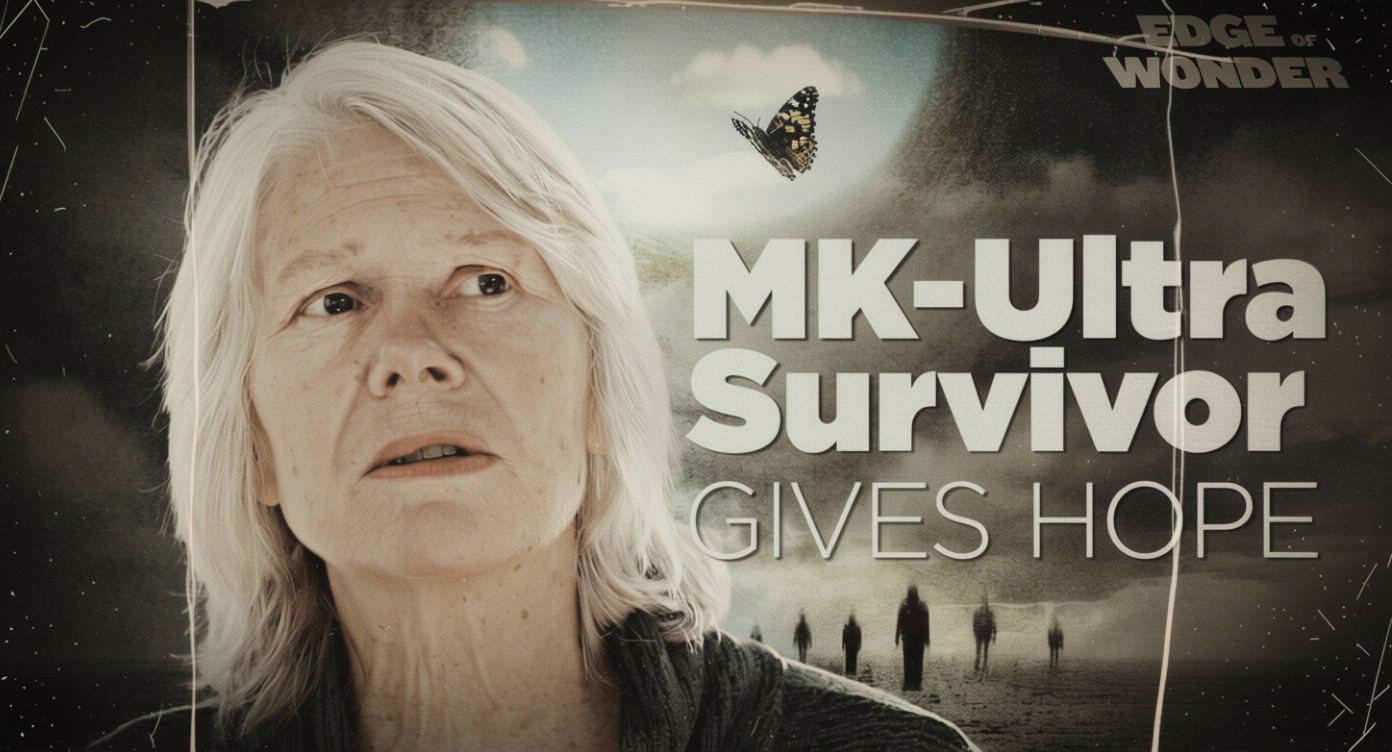
In August 1975 a 13‑year‑old self‑described psychic, Belita Adair, spent a weekend at Stanford University under the supervision of graduate student Hugh Macdonald. The visit, organized by a theatre producer seeking publicity, turned into a series of covert psychological experiments that have only recently been documented. Macdonald, now a parapsychologist and stage‑magician, agreed to discuss the episode, shedding light on a little‑known U.S. Navy‑funded program that combined elements of the Stanford Prison Experiment laboratory, hypnosis, and psych‑warfare techniques pioneered by Army specialist Andrija Puharich.
Academic and Military Context
Macdonald entered Stanford with a B.A. in electrical engineering before pursuing an M.A. in psychology. He worked as an instrumentation specialist in Ernest Hilgard’s Hypnosis Laboratory, a hub for biofeedback and hypnotic pain‑management research. Hilgard, a prominent psychologist, had served on a National Academy of Sciences panel reviewing the Air Force’s 1968 Condon Report on UFOs and later on the Scientific Advisory Committee of the False Memory Syndrome Foundation. Several of the lab’s studies, including those on hypnotic analgesia, were funded by U.S. Air Force contracts, linking academic research to military interests in mind‑control and information extraction.
The Stanford Sessions
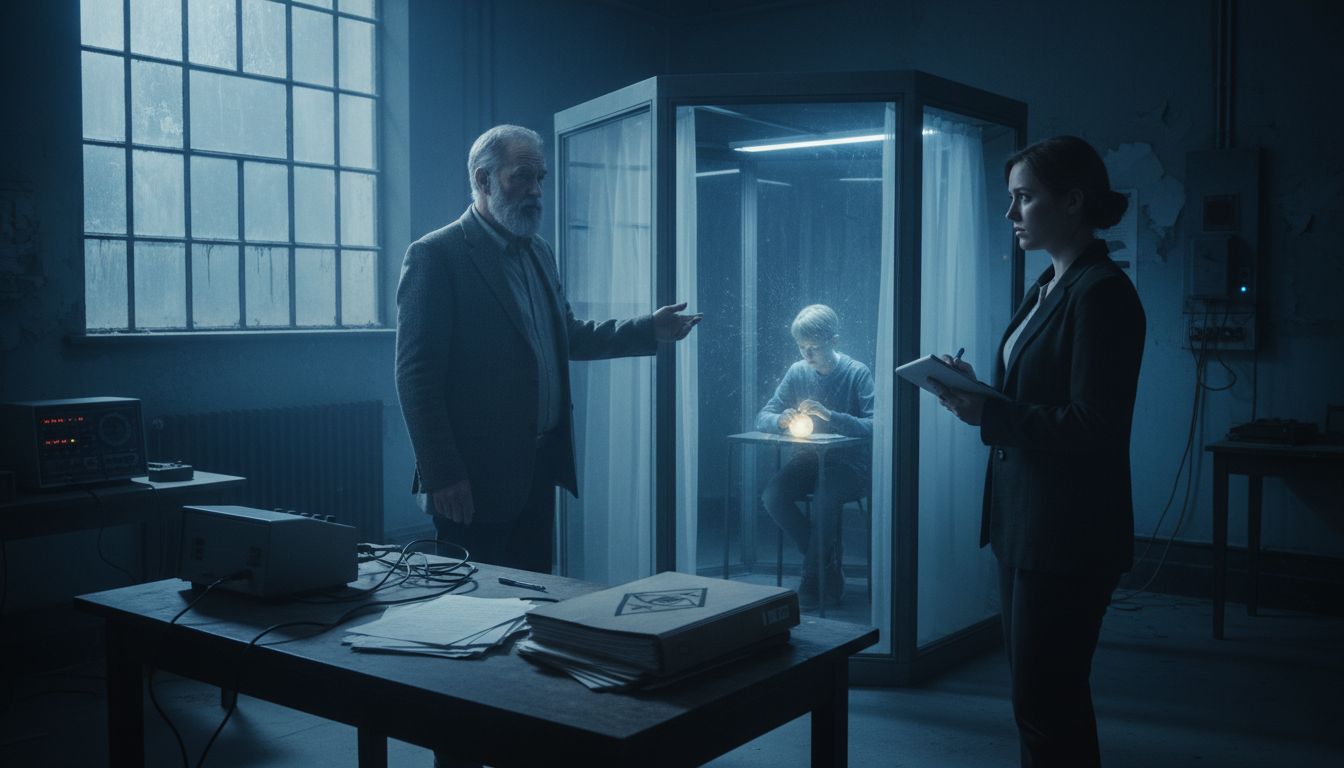
According to Macdonald, the three‑day session began with “I studied [Belita] gratis. Well not gratis, [I did it] for avocados,” indicating the informal, almost barter‑like nature of the arrangement. The experiments involved intensive hypnosis, drug administration, and sensory deprivation, aiming to push Belita into altered states where she could allegedly reveal “scientific formulas, atomic numbers, weapon designs and details of an otherworldly ‘Sabian World.’” Macdonald described the environment as “a hybrid of a prison‑style power dynamic and a psych‑warfare lab,” echoing the coercive atmosphere of the Stanford Prison Experiment. Belita’s mother and sister were present, but the researchers reportedly limited their interaction, intensifying the subject’s isolation.
Aftermath and Controversy
Belita later posted a personal blog recounting the trauma she experienced, though the reliability of her memories is complicated by the very techniques used on her—hypnosis, drug‑induced amnesia, and repeated dissociation. Macdonald acknowledged that “the amount of trauma, frequent altered states, hypnosis, and drugging she was subjected to… throws some of her recollections into uncertainty.” After completing his graduate work, Macdonald left academia in 1979, shifting to a career as a computer technician and professional magician, a transition he attributes to “the disillusionment that followed these experiments.” The episode raises unanswered questions about the extent of U.S. Navy involvement in psychological operations that blurred the line between scientific inquiry and covert warfare.
Expert Perspective
Dr. Elaine Rogers, a historian of Cold‑War intelligence programs, notes that “the 1970s saw a surge in government‑sponsored research into psychic phenomena as potential intelligence tools, often conducted in collaboration with university labs.” She adds that the integration of the Stanford Prison Experiment’s methodology—using power hierarchies to elicit compliance—was consistent with contemporaneous CIA and Army projects aimed at “enhancing interrogation techniques and extracting classified information.” While the existence of a formal “Sabian World” remains unverified, the documented use of a minor in such experiments underscores enduring ethical concerns about government‑funded psychological research and the protection of vulnerable participants.