Overview
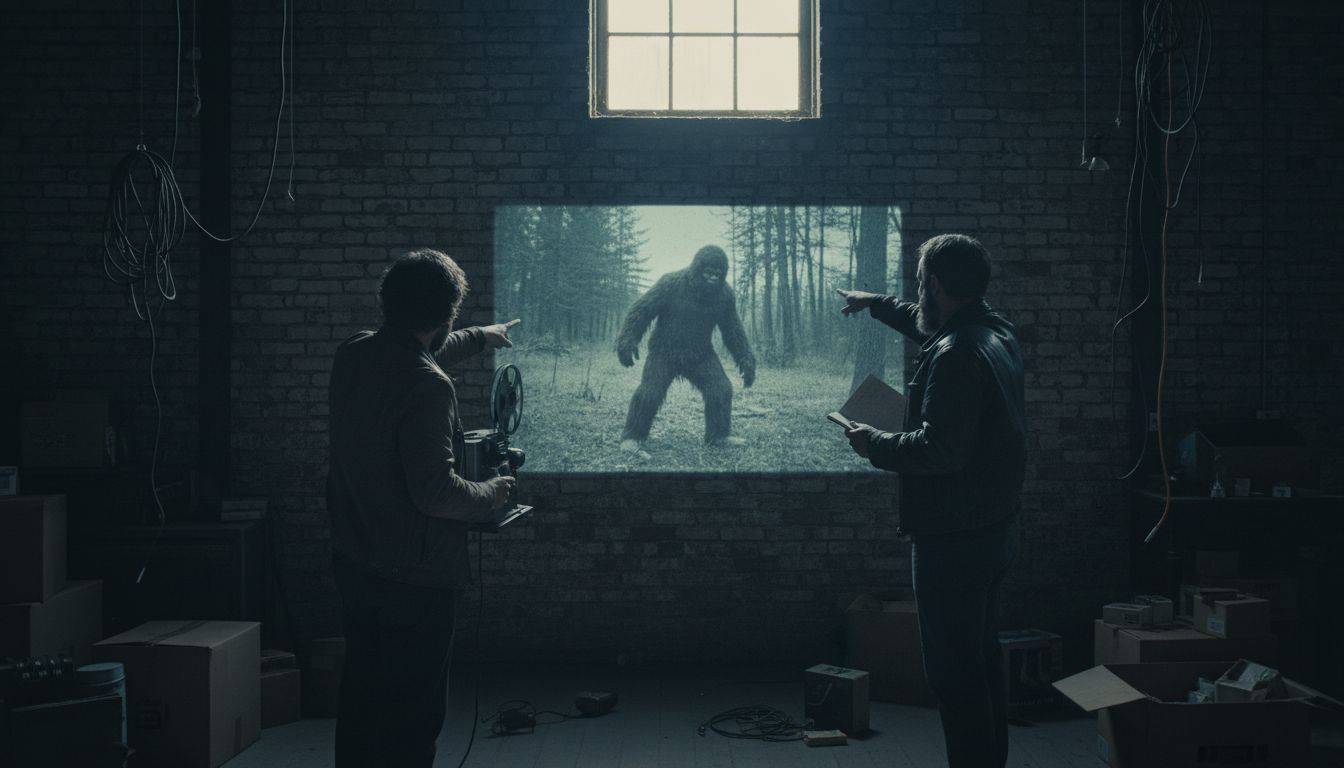
Documentary filmmaker Marq Evans is stirring the long‑standing Bigfoot debate with his new film Capturing Bigfoot. The 90‑minute documentary, set for release later this year, argues that the iconic 1967 Patterson‑Gimlin footage—long hailed by enthusiasts as the clearest visual evidence of a sasquatch—was in fact an “incredible hoax.” Evans bases his claim on previously unseen “found‑footage” that he says appears to be a rehearsal or test run for the famous clip. The revelation threatens to upend a cornerstone of modern cryptozoology, even as cultural scholars warn that the legend of Bigfoot will likely endure regardless of the film’s provenance.
The New Footage
According to Evans, the documentary includes a grainy home‑movie reel discovered among the personal archives of a former crew member who assisted Roger Patterson during the original shoot. The reel, dated June 1967, shows a costumed figure walking through the same red‑oak forest near Bluff Creek, California, with a camera positioned at a similar angle to the Patterson‑Gimlin setup. In Capturing Bigfoot, Evans narrates, “When we line up the frames side‑by‑side, you can see the identical gait, the same costume seams, and even the same lighting conditions—it’s as if they were rehearsing the exact shot that would later become world‑famous.” The documentary presents split‑screen comparisons, frame‑by‑frame analysis, and interviews with the original crew, suggesting that the 1967 film was staged rather than a spontaneous encounter.
Historical Context
The Patterson‑Gimlin video, filmed on October 20, 1967, has been the subject of intense scrutiny for more than five decades. Shot by amateur filmmaker Roger Patterson and his friend Robert Gimlin, the 60‑second clip shows a large, bipedal creature striding across a clearing before disappearing into the woods. While some researchers, such as Dr. Jeff Meldrum of Idaho State University, have defended its authenticity, others—including former FBI forensic analyst Dr. James‑E. Hoffman—have labeled it a fabricated performance. The footage has inspired countless books, television specials, and a multibillion‑dollar industry of merchandise, cementing Bigfoot as a fixture of American folklore.
Expert and Community Reactions
Reactions to Evans’s claims have been mixed. Dr. Jeff Meldrum, a leading proponent of the creature’s existence, called the new documentary “intriguing but not definitive,” noting that “the presence of a costumed figure in a rehearsal does not automatically negate the possibility that a genuine sighting occurred later that day.” Conversely, skeptic Dr. James‑E. Hoffman praised the film’s forensic approach, stating, “The frame‑by‑frame alignment presented here is compelling evidence that the original footage was orchestrated.” Within the Bigfoot enthusiast community, forums such as Reddit’s r/Bigfoot are already buzzing; some members see the documentary as a “necessary wake‑up call,” while others dismiss it as “another attempt to discredit a beloved mystery.”
Cultural Implications
Even if Evans’s analysis proves accurate, the documentary is unlikely to erase the cultural imprint of Bigfoot. Anthropologist Dr. Sarah Kline explains that “the mythic power of Bigfoot resides less in empirical proof and more in its role as a symbol of the unknown wilderness in the American imagination.” Capturing Bigfoot may shift scholarly discourse, prompting museums and media outlets to revisit their archives, but the creature’s presence in movies, advertising, and internet memes appears resilient. As Evans himself acknowledges, “Whether the footage was staged or not, the story has taken on a life of its own—and that story will keep walking through the forest of popular culture.”


