Overview
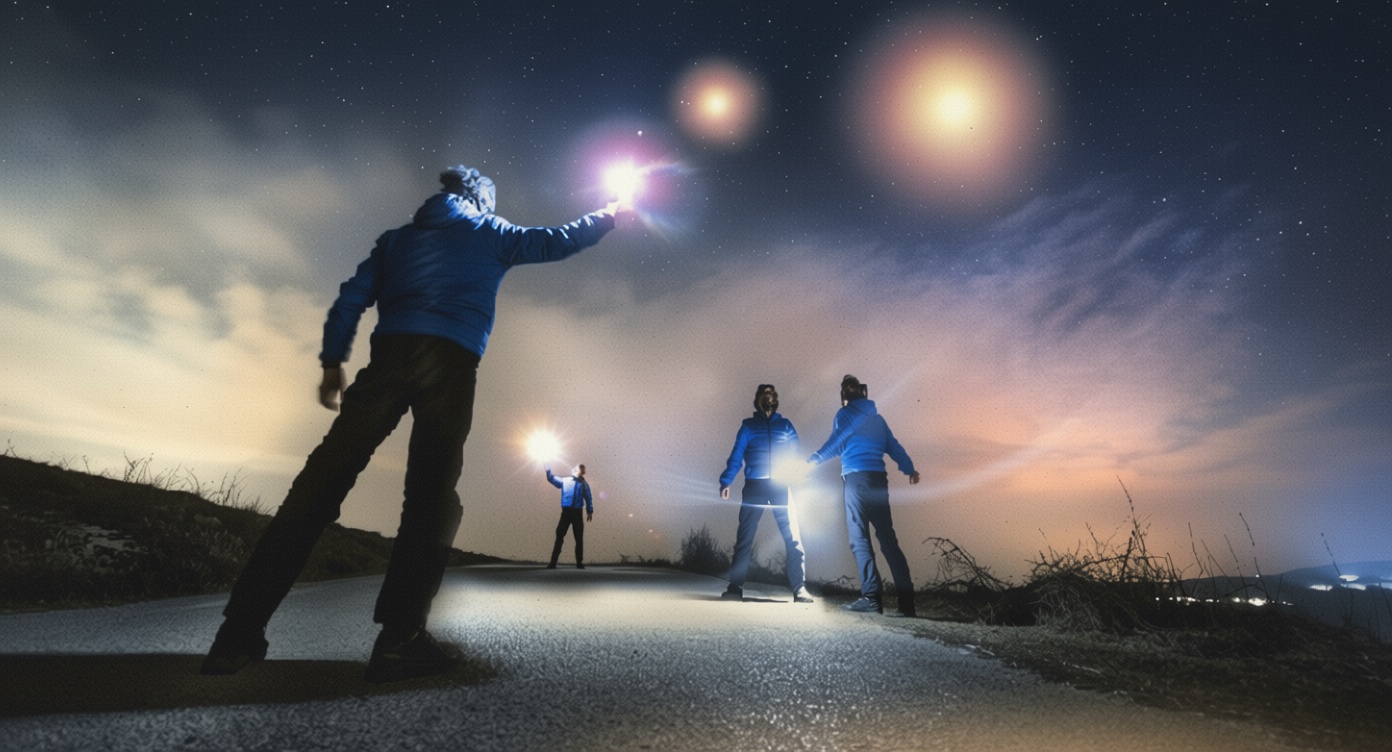
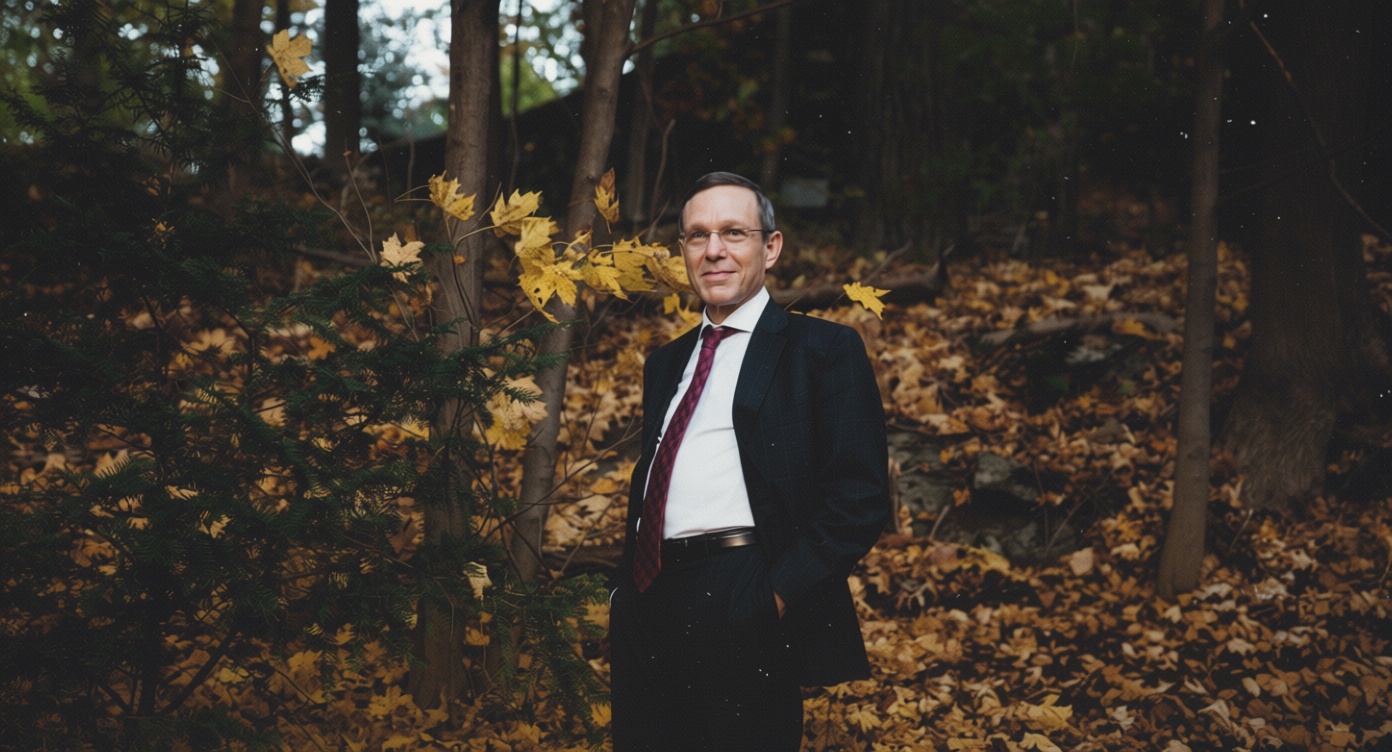
A Harvard astronomer dubbed by some critics and admirers alike as Donald Trump’s “chief alien hunter” is taking a deliberately skeptical approach to the study of UFOs, or UAPs, by starting from the assumption that unusual sightings are human-made until proven otherwise. The framing, highlighted in The Guardian, reflects a growing effort among some scientists to bring discipline to a field long shaped by speculation, stigma, and conjecture. Rather than beginning with extraterrestrial explanations, the astronomer is treating unidentified aerial phenomena as a problem of evidence: what can be verified, what can be ruled out, and what remains unknown.
A Scientific Default to the Ordinary
That approach places the burden of proof squarely on extraordinary claims. In practical terms, it means assuming a sighting could be a drone, balloon, aircraft, sensor glitch, classified technology, or another mundane source before considering a non-human origin. The logic is straightforward: if investigators start with aliens, they risk confirming their own assumptions; if they start with the most plausible human explanations, they can narrow the field more rigorously. This method does not dismiss the possibility of something truly anomalous, but it insists that extraordinary conclusions require extraordinary evidence.
The astronomer’s position also reflects a broader scientific challenge. UAP cases often involve incomplete data, ambiguous video, or eyewitness accounts that are difficult to validate after the fact. In that environment, skepticism is not necessarily hostility — it is a tool for reducing error. By focusing on conventional explanations first, researchers can distinguish between genuinely unexplained incidents and those that simply lack context.
Why the Approach Matters
The issue has gained renewed attention as governments and militaries around the world release more information about unexplained sightings, and as public interest in UAPs continues to rise. Yet the field remains polarized between advocates who see the phenomena as evidence of non-human intelligence and skeptics who argue that most cases can be explained by natural or man-made causes. The Harvard astronomer’s stance positions him in the middle of that debate, seeking to normalize UFO research through a method that looks more like astronomy than speculation.
That matters because the credibility of UAP research may depend on whether it can move beyond sensational claims. If investigators can show that they are systematically eliminating ordinary explanations, they may be better equipped to identify the rare cases that truly deserve deeper scrutiny. In that sense, the skeptical framework is not just an argument against alien narratives — it is also an argument for stronger evidence standards.
Broader Context
The Guardian piece underscores a persistent tension in UFO reporting: public fascination is high, but scientific certainty remains low. The Harvard astronomer’s work suggests that the best path forward may be neither blind belief nor blanket dismissal, but careful, methodical inquiry. For now, the starting point is not little green men — it is the possibility that what appears mysterious may still have a human explanation. Whether that assumption eventually proves sufficient is another question entirely.