Overview
In New York’s West Village, the Jane Hotel has long been associated with more than its preserved early-20th-century architecture and boutique charm. According to local lore, the building carries the emotional imprint of one of the most infamous maritime disasters in history: the sinking of the RMS Titanic in 1912. The hotel’s ghost story centers on the claim that surviving crew members were housed there after the tragedy, and that the grief, shock, and trauma they brought with them never entirely left the building. While such accounts belong to the realm of legend, they have become inseparable from the hotel’s reputation and continue to draw interest from ghost-story enthusiasts and history-minded visitors alike.
A Building With a Maritime Past
Before it became a fashionable lodging known simply as The Jane, the property served a very different purpose. Built in 1907–08 as the American Seamen’s Friend Society Sailors’ Home and Institute, the structure was designed by William A. Boring as a refuge for sailors arriving in New York. Its original mission was practical and charitable: to provide a place of rest and support for seafarers between voyages. That maritime identity is important to the hotel’s later mythology, because it creates a natural backdrop for stories involving sailors, survival, and loss. In 2008, the building was restored and reopened as a boutique hotel, but its earlier history remains a major part of its appeal.
The Titanic Connection
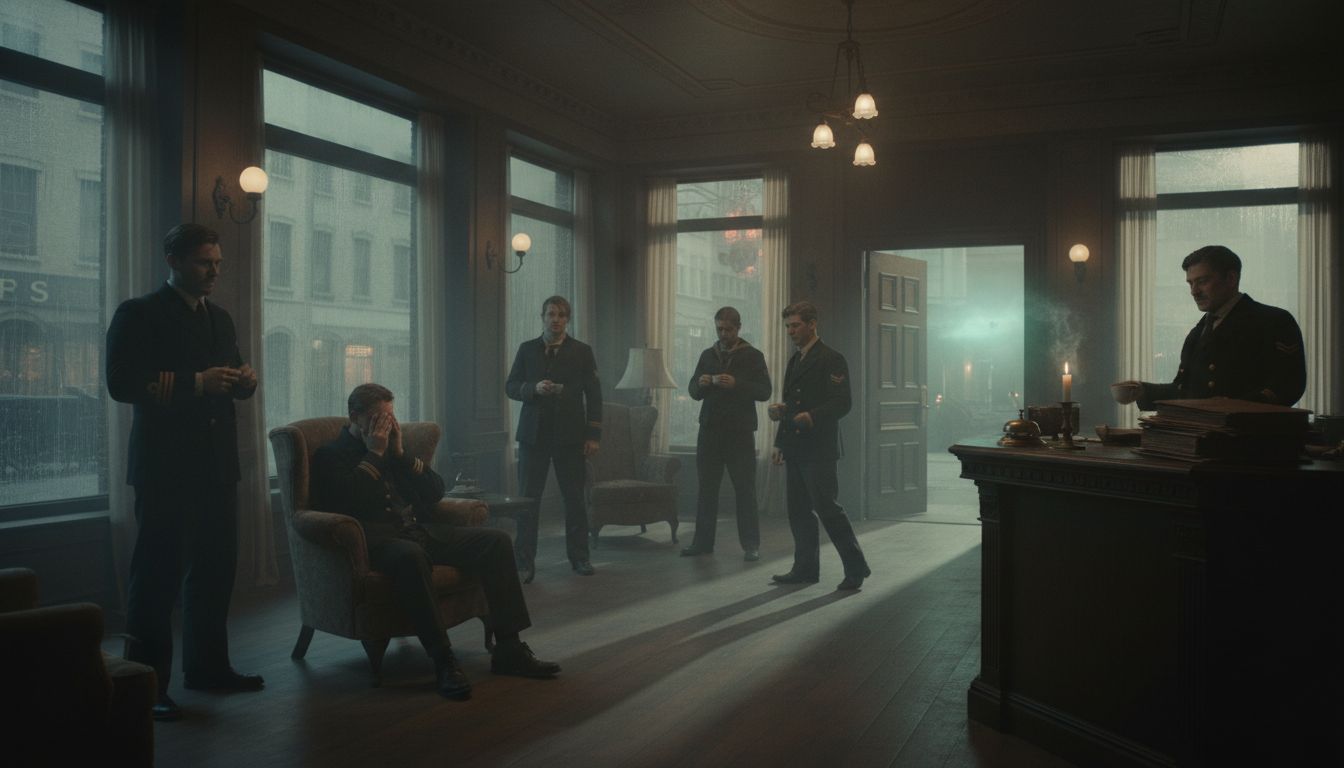
The strongest element of the haunting narrative is tied to the aftermath of the Titanic disaster. After the ship struck an iceberg and sank in the North Atlantic on April 15, 1912, killing 1,635 of the 2,224 people onboard, surviving crew members reportedly arrived in New York and were lodged at the Jane Street building. According to the accounts cited in the hotel’s folklore, more than a hundred survivors stayed there while the American Inquiry into the sinking was underway. A memorial service for the crew was held at the hotel just four days after the sinking, underscoring the site’s role as both shelter and place of mourning. The American Seamen’s Friend Society reportedly later commissioned a plaque for the building to commemorate those lost in the disaster.
Ghost Stories and Reported Hauntings
It is this convergence of history and sorrow that has fueled claims of paranormal activity. Local stories say that the spirits of some Titanic sailors remain in the hotel rooms, echoing the emotional weight of their experience. The source material suggests that these alleged hauntings are not framed as dramatic apparitions alone, but as lingering impressions of trauma and grief—a quieter kind of haunting rooted in memory rather than spectacle. As with many historic ghost stories, there is no independent evidence establishing supernatural activity, but the persistence of the tale reflects how strongly the Titanic’s legacy continues to shape public imagination.
Why the Legend Endures
The Jane Hotel’s ghost narrative endures because it sits at the intersection of documented history and human emotion. The building’s original function as a sailor’s home makes the Titanic connection feel plausible, while the scale of the disaster ensures that the story retains cultural power more than a century later. Whether one views the hauntings as fact, folklore, or a symbolic expression of collective grief, the story of the Jane Street Hotel remains a compelling example of how places can accumulate meaning far beyond their physical walls.