Overview
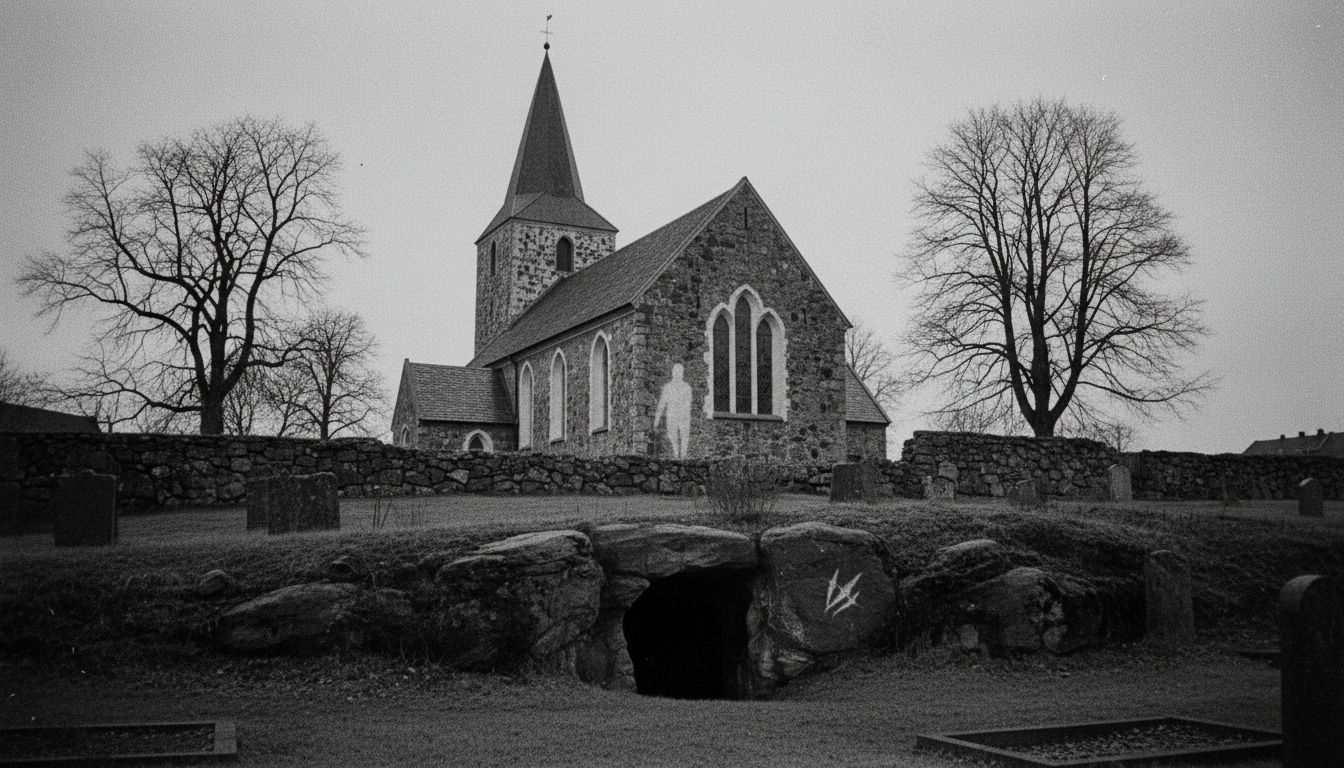
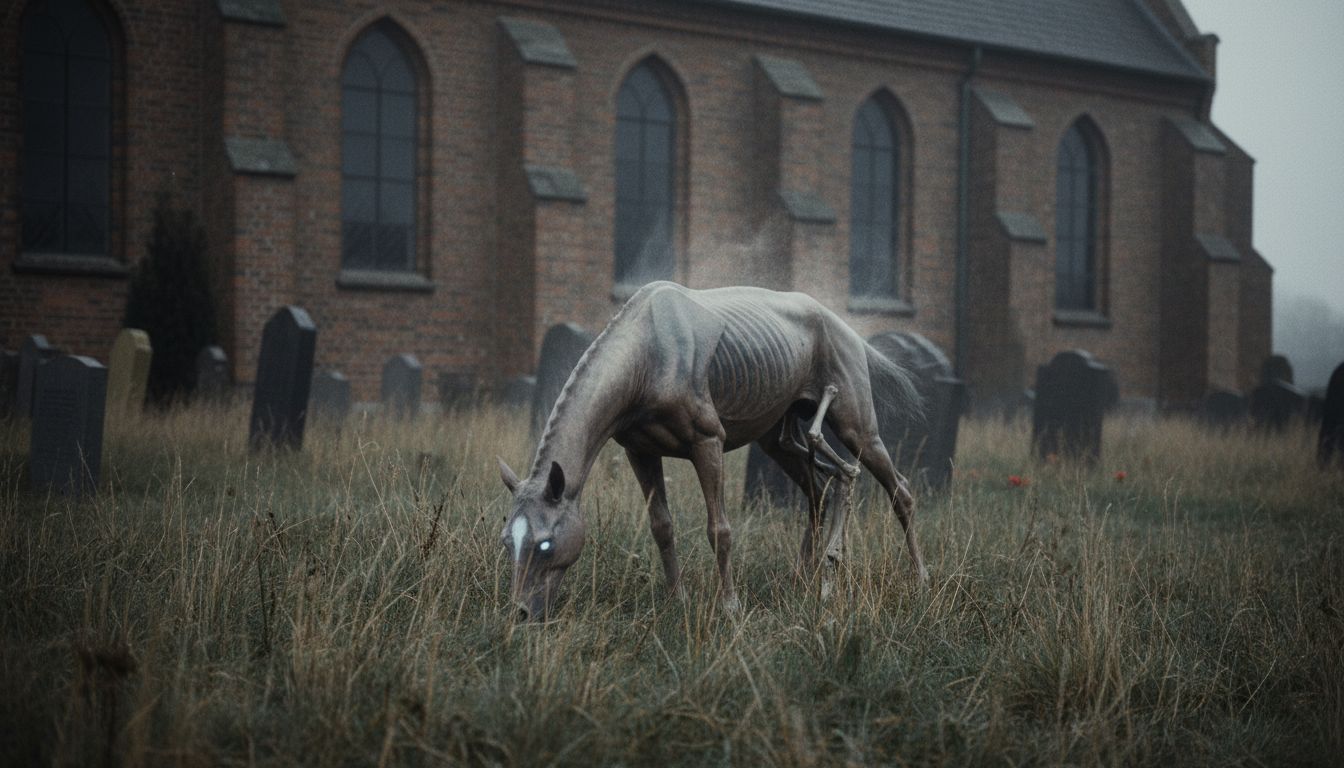
A centuries-old Danish legend has attached a ghostly three-legged horse to Saint Olaf’s Church in Helsingør, where the creature is traditionally regarded as an omen of death. Known as the helhest, or “Hel horse,” the figure appears in folklore connected to churches, cemeteries and burial grounds across Denmark. Stories vary by region, but the central belief is consistent: encountering the spectral animal could signal that someone nearby—or the witness themselves—would soon die.
The account was highlighted by the folklore publication Moon Mausoleum in an article published October 28, 2026. The story presents the helhest as part of Denmark’s broader tradition of supernatural beliefs surrounding old religious sites, rather than as a documented paranormal event. There is no established evidence that a three-legged horse has actually been seen at Saint Olaf’s Church.
A Historic Church in Helsingør
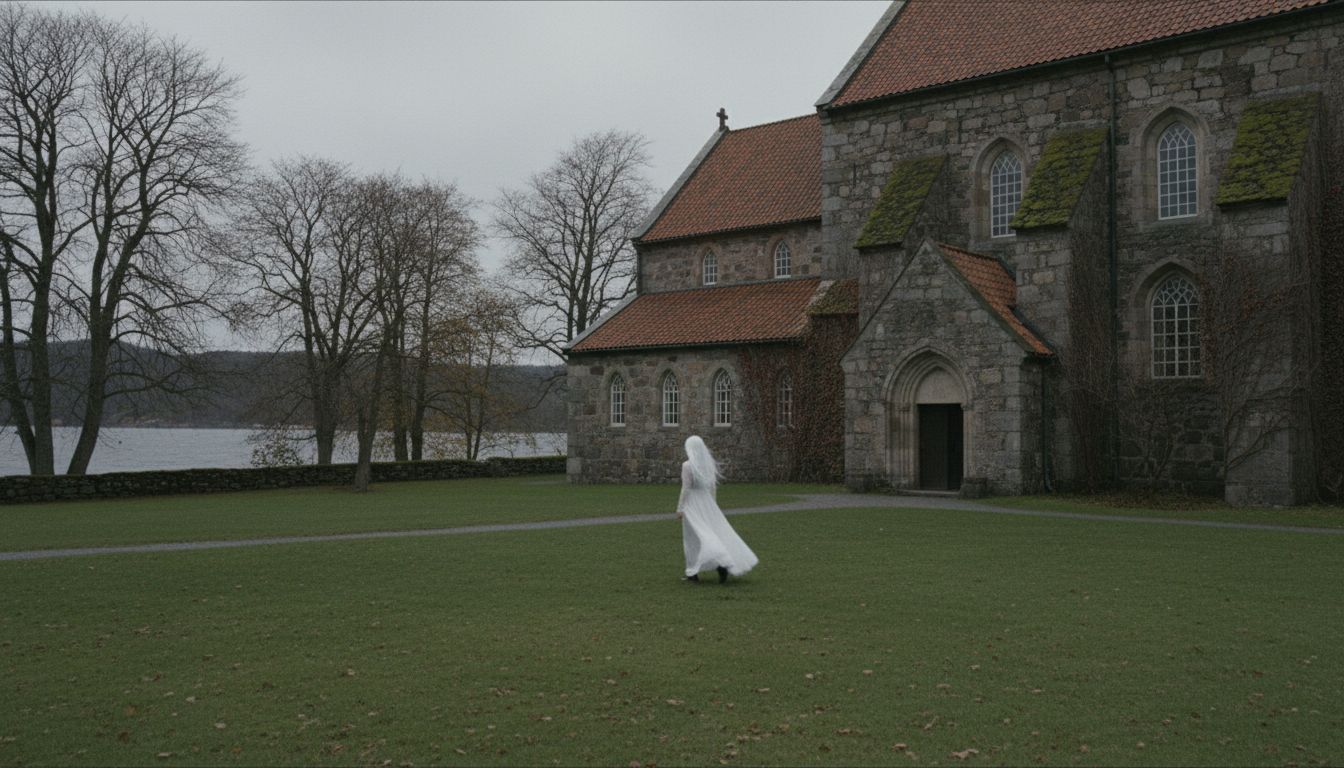
Saint Olaf’s Church, or Sankt Olai Kirke, is the cathedral church of Helsingør in northern Zealand. Its history reaches back to approximately 1200, although the current building was completed in 1559. The church received cathedral status in 1961, reflecting Helsingør’s long-standing religious and historical importance.
The church is dedicated to Saint Olaf of Norway, who died at the Battle of Stiklestad in 1030. Medieval tradition credited Olaf with helping establish Christianity as Norway’s national religion, and images within the church depict him standing on or defeating a dragon—an artistic symbol commonly interpreted as the triumph of Christianity over paganism.
The church’s history predates the present structure. It was first mentioned in surviving records in 1295, when it was likely a small Romanesque building dating from the early 13th century. Following a possible fire, the church was rededicated in 1521, with Saint Andrew and Saint Vincent also named among its patron saints. After the Protestant Reformation, Saint Olaf’s acquired a reputation as a Catholic stronghold.
The Death Horse of Danish Folklore
In Danish tradition, the helhest is generally portrayed as a horse with three legs, sometimes described as a spirit haunting graveyards or lingering near churches. Its name links it to Hel, the figure associated in Norse mythology with the realm of the dead. Folkloric interpretations therefore cast the animal as a supernatural carrier or herald connected with death.
The legend may also reflect older customs surrounding burial sites and churches. Before modern medicine and public health systems, disease, sudden death and unexplained illness were common features of community life. Stories about a spectral animal could provide a symbolic explanation for misfortune, particularly when deaths occurred in clusters or when graveyards were viewed as places of spiritual danger.
Renovations and Continuing Legend
According to the source account, restoration work carried out at Saint Olaf’s Church in 2000 and 2001 included the opening of several interior burial chambers. Such discoveries can deepen public interest in the relationship between historic churches, their buried communities and local ghost stories, although the existence of burial chambers does not substantiate the helhest legend.
Today, the tale remains best understood as part of Helsingør’s cultural folklore. The helhest’s enduring presence in stories about Saint Olaf’s Church demonstrates how religious buildings can serve as repositories not only of architecture and history, but also of older beliefs about mortality, the afterlife and the uncertain boundary between the living and the dead.