A Catalan Vampire Legend
In the hills of Catalonia, near the French border, the ruins of Llers Castle are associated with one of the region’s most enduring supernatural stories: the legend of Conde Estruch, a nobleman said to have returned from the dead as a blood-drinking predator. The account is examined in a September 2026 article published by Moon Mausoleum, which asks whether Estruch represents an old Iberian vampire tradition—or a much later story built around medieval fears of witchcraft, heresy and unnatural death.
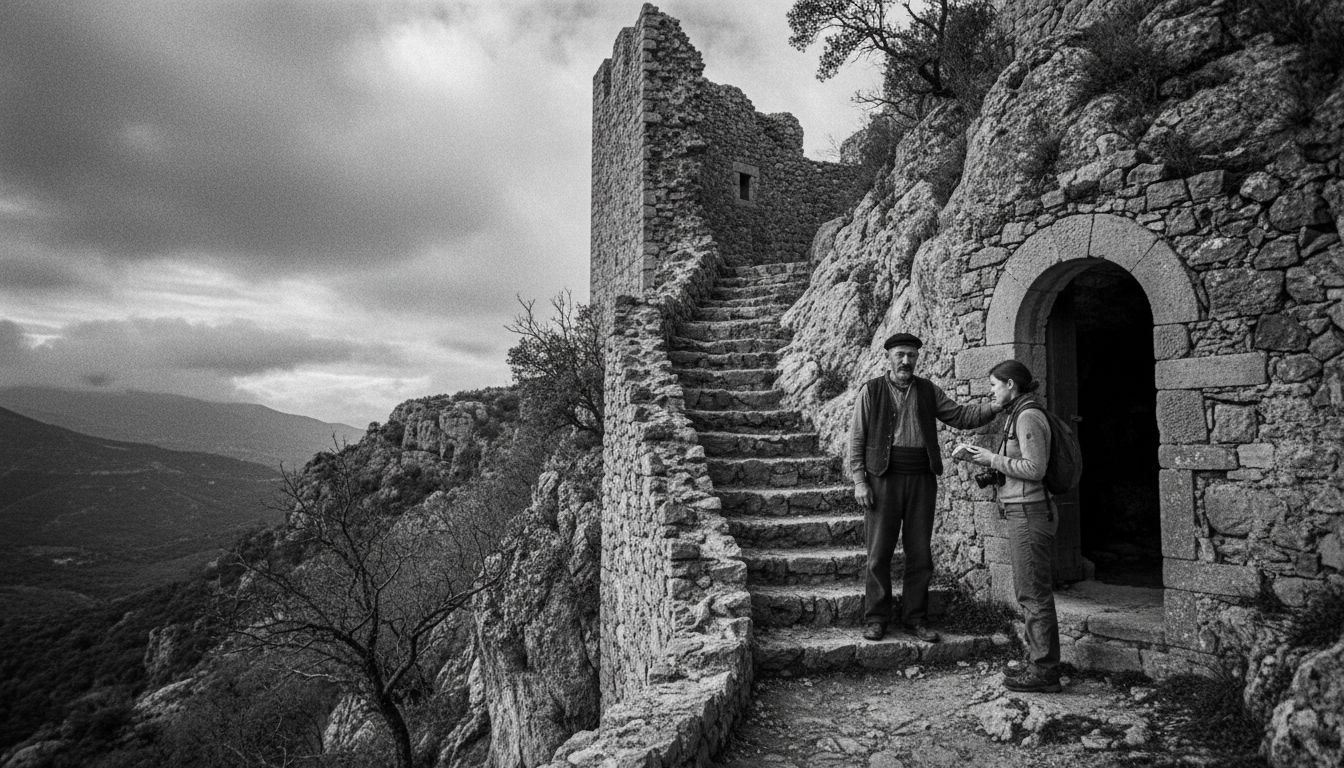
Llers Castle stands above the town of the same name in Girona province, in the Empordà region. Local traditions describe the site as a gathering place for witches and, in some versions, the lair of the undead count. The castle’s ruined condition, isolated setting and exposure to the Tramuntana winds have helped preserve its reputation as a haunted location. However, the association between the ruins and Estruch remains part of folklore rather than an established historical fact.
The Nobleman Called Estruch
According to the legend, Estruch was a powerful nobleman who lived during the reign of Alfonso II of Aragon, who ruled from 1162 until 1196. Different retellings give the count different names, including Arnald, Guifred and Wilfred Estruch. In the most widely circulated version, the king sent the elderly nobleman to Llers in 1173 to suppress pagan practices and witchcraft and to promote Christianity among the local population.
Estruch allegedly died during that mission. Some accounts say witches cursed him, while others attribute his transformation to his own sins and immoral conduct. After his burial, villagers reportedly observed a series of ominous events: livestock were found apparently drained of blood, crops failed in isolated areas, and the count was said to have returned in a younger form. The legend further claims that he attacked villagers, seduced women and fathered children who were born dead or deformed.
These elements resemble later European vampire narratives, particularly stories involving a revenant who returns to prey on the living. Yet the Estruch tradition does not precisely match the standardized vampire image that emerged in popular culture centuries later. It combines motifs associated with witchcraft, demonic punishment, sexual danger and social disorder, making it difficult to classify as a straightforward precursor to the Eastern European vampire panic.
Questions About the Historical Record
The central issue is provenance. The Moon Mausoleum article questions whether a historical Count Estruch existed and whether medieval sources actually describe him as a vampiric figure. It refers to claims involving archives at Ripoll, while also noting that the surviving documentation and interpretations are unclear. The article discusses author Salvador Sáinz, who published a book about the vampiric nobleman in 1991, but the available material does not establish an uninterrupted documentary tradition from the 12th century to the present.
That uncertainty is significant. Legends can preserve fragments of local history, but they can also evolve through oral retelling, literary embellishment and modern paranormal publishing. The absence of clearly identified medieval evidence means the story should be treated as Catalan folklore rather than verified biography.
How the Legend Ends
The count’s alleged reign of terror reportedly continued for years before he was destroyed. One version credits an elderly nun with killing him; another says a Jewish hermit defeated him using ancient Kabbalistic rituals. The differing endings illustrate how the legend has accumulated competing religious and cultural themes over time.
Whether Estruch was based on a real nobleman, an older revenant tradition or a modern reconstruction of medieval motifs remains unresolved. What is clearer is the story’s cultural power: through its links to Llers Castle, witches and a supposed Iberian vampire, it continues to connect Catalonia’s landscape with the wider history of European supernatural belief.