Overview
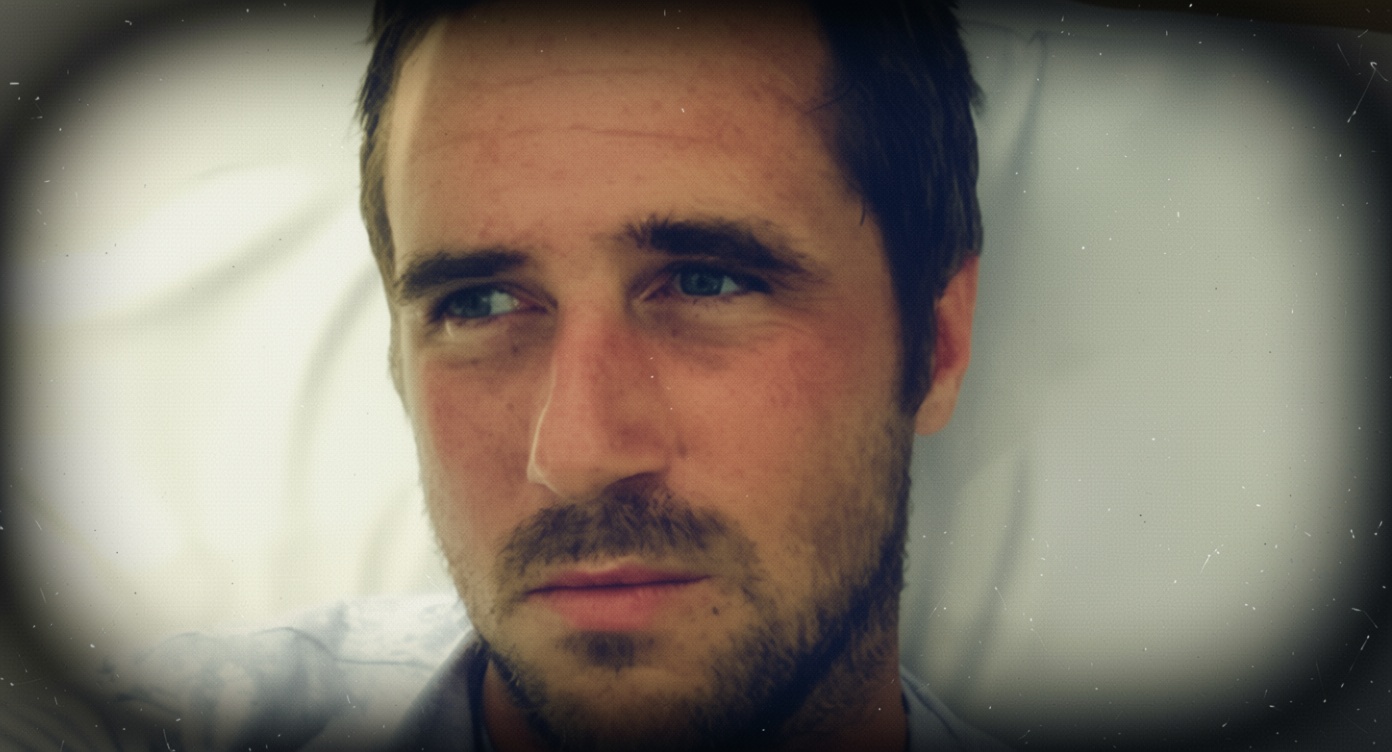
The death of Max Spiers, a British conspiracy researcher and self-described “paranormal investigator,” remains one of the most debated cases in modern UFO and occult internet culture. Spiers died in Warsaw, Poland, in 2016, shortly before he was due to speak at a conference, and his death quickly became the subject of speculation across online communities interested in government secrecy, black projects, and the supernatural. In the years since, the case has taken on a life of its own on X and other social platforms, where users continue to circulate claims about unusual circumstances, including the persistent allegation that he vomited a black substance before he died.
What is known about the case
Spiers was found dead while staying in Poland, and early reports noted that authorities treated the death as unexplained pending investigation. He was known in fringe-conspiracy circles for making extraordinary claims about intelligence agencies, hidden programs, and paranormal phenomena. Those themes made his death especially combustible online: even before formal details were available, the event was being framed by many as suspicious. Over time, however, the gap between confirmed facts and internet lore widened, with posts and reposts often blurring eyewitness accounts, speculation, and outright rumor.
The most repeated claim in occult and paranormal X circles is that Spiers vomited “black goo” shortly before his death. That phrase has become a kind of shorthand in online discussions, but it is important to note that it is not a verified medical finding and is not established by publicly available official documentation. In social media ecosystems, especially those centered on UFOs, esoteric conspiracies, and alleged covert experiments, such details can spread rapidly and become treated as evidence even when the underlying sourcing is weak or absent.
Public response and online mythology
Spiers’ case has endured largely because it sits at the intersection of multiple internet subcultures: UFO enthusiasts, conspiracy theorists, and paranormal researchers. His supporters have long argued that he died under suspicious circumstances, pointing to his own warnings before his trip and the intensity of his public claims. Skeptics, meanwhile, note that extraordinary assertions require extraordinary evidence—and that, in this case, the public record has not produced conclusive proof of assassination, poisoning, or any clandestine mechanism behind his death.
What makes the story especially resilient is the way it functions online as a narrative of warning and martyrdom. Posts on X frequently frame Spiers as someone who “knew too much,” while the black-vomit claim is often used to imply a toxic or nonhuman explanation. Yet the persistence of the story owes as much to internet repetition as to hard evidence. In the absence of clear, authoritative resolution, the case has become a canvas onto which different communities project their own fears about secrecy, control, and hidden knowledge.
Why the story still matters
More than a decade after his death, Max Spiers remains a case study in how unexplained deaths can evolve into digital folklore. The rumors surrounding him reveal how quickly unverified claims can solidify into accepted truth within niche online networks, especially when a case already has the ingredients of mystery: an untimely death abroad, a controversial public persona, and allegations of disturbing final moments. For journalists and readers alike, the lesson is not simply about Spiers himself, but about the broader mechanics of rumor, virality, and belief in the social media age.
In that sense, the “black goo” narrative tells us as much about how conspiracy culture processes uncertainty as it does about the man at the center of it. Without reliable evidence, the most responsible conclusion is that Spiers’ death remains a tragic and unresolved event in the public imagination—one that has been repeatedly amplified, reshaped, and mythologized by the very communities most eager to explain it.