Overview
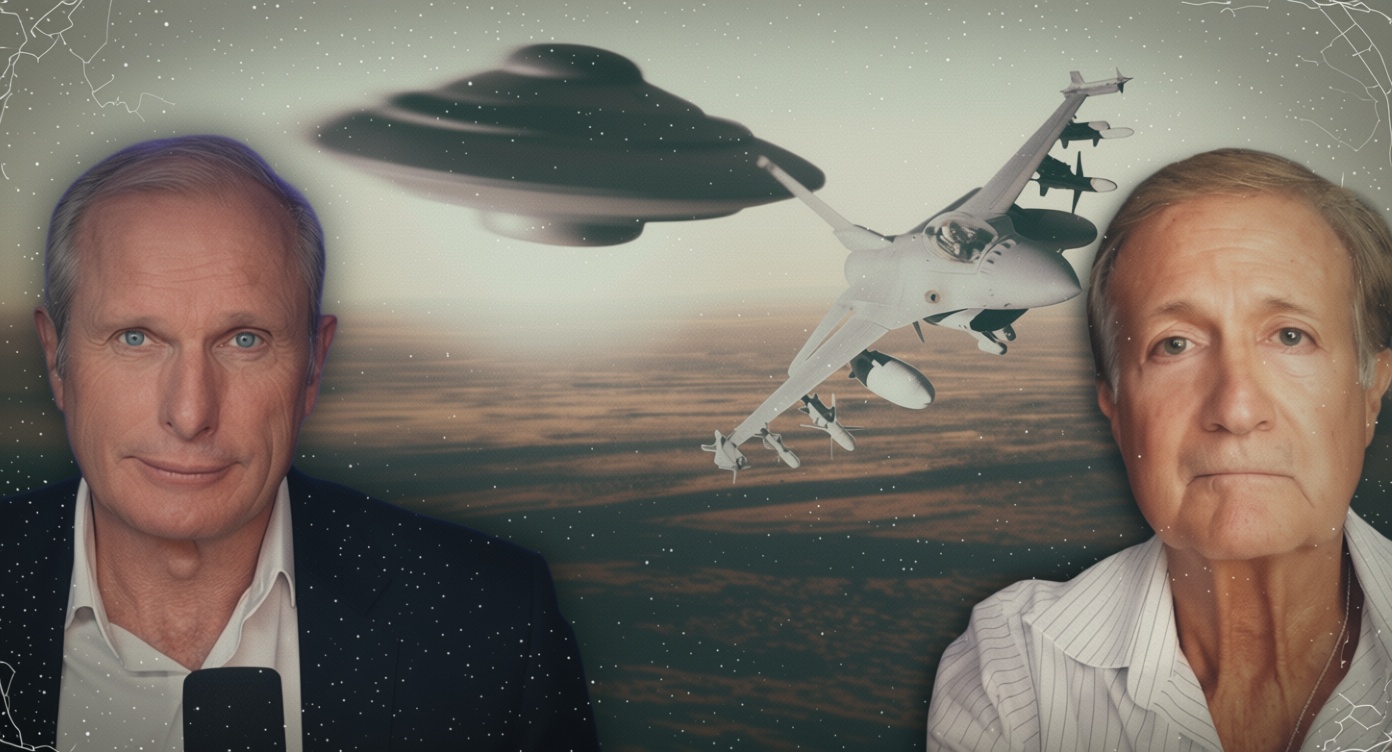
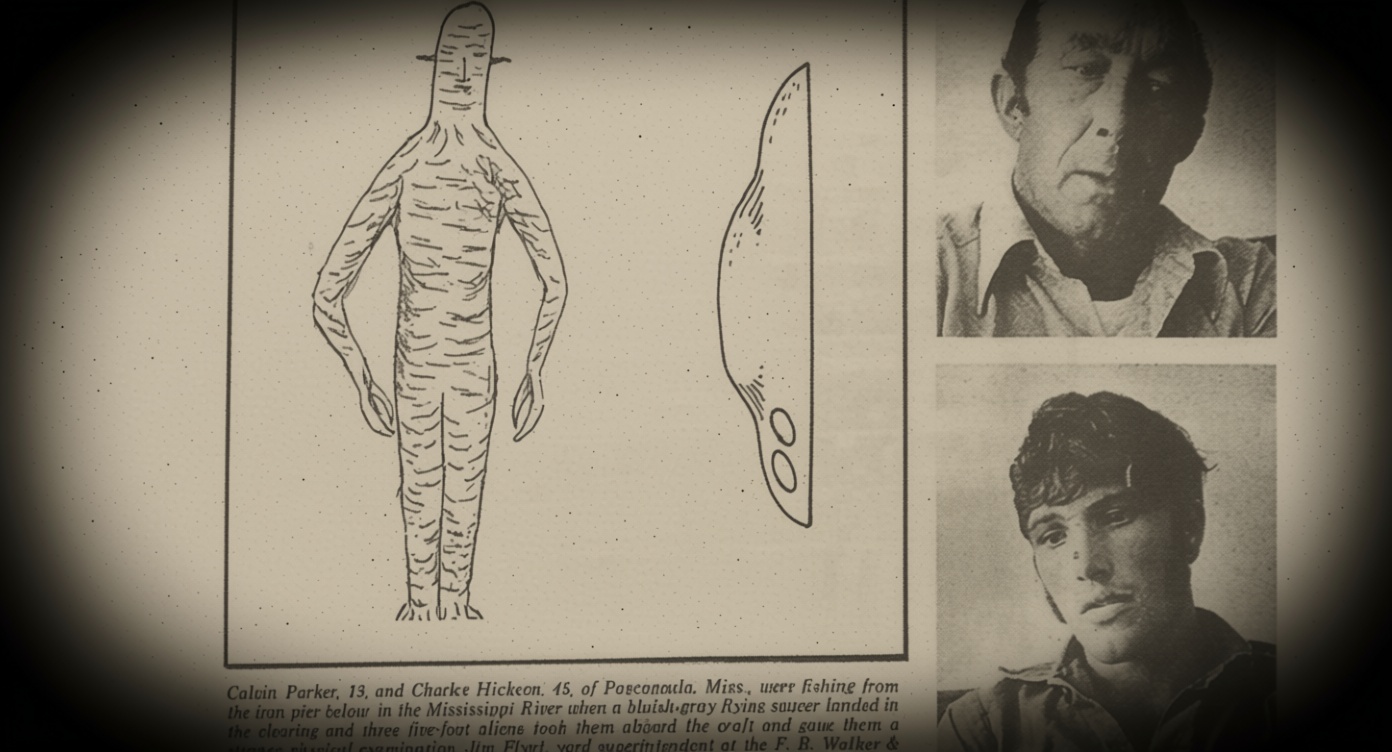
A free documentary circulating on YouTube revisits the 1973 Pascagoula UFO case, one of the most widely discussed alleged abduction reports in the United States. The film centers on the testimony of Calvin Parker, who said he and fellow shipyard worker Charles Hickson encountered unusual beings while fishing along the Pascagoula River in Mississippi. Although the incident has never been independently verified, it remains notable for the contemporaneous involvement of law enforcement, military personnel and UFO investigators.
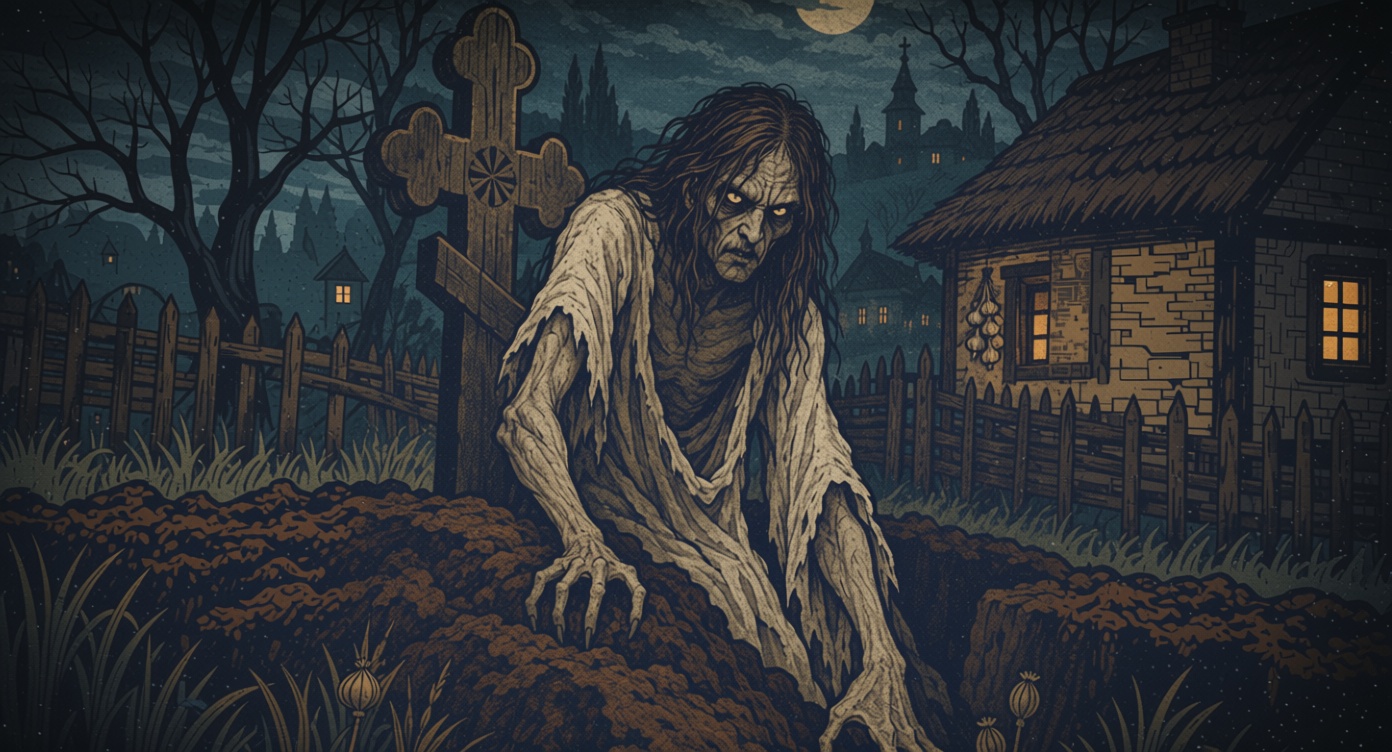
On the evening of October 11, 1973, Parker, then 19, and Hickson, 42, reported seeing a strange object near the river before being approached by three entities they described as having “crab-like” claws, featureless faces and unusual movements. Parker later recalled feeling completely paralyzed as the figures moved toward him. In footage recorded before his death in 2023, he described the entities as “ghost-like” and said they appeared to pass through a wall or barrier.
Law Enforcement Response
The men reported the encounter to the Jackson County Sheriff’s Department shortly afterward. Sheriff Fred Diamond initially approached the account with skepticism, but reportedly became more interested after arranging for the two men to be left alone in an interrogation room. A concealed recording captured them continuing to discuss the incident while visibly distressed, rather than appearing to coordinate a story.
That recording became one of the most frequently cited pieces of evidence associated with the case. Supporters argue that the men’s immediate emotional reactions made a staged hoax less likely. However, the recording does not independently establish what caused their distress or confirm that an abduction occurred. It remains evidence of their state of mind shortly after the report.
Investigations and Witness Accounts
The case drew attention from several investigators, including astronomer J. Allen Hynek, a former consultant to the U.S. Air Force’s Project Blue Book, and physicist James Harder. According to the documentary, Hynek concluded that the men had experienced “an experience,” while stopping short of publicly confirming an extraterrestrial explanation. Hickson also reportedly passed a polygraph examination related to his account, and Harder conducted hypnosis sessions with Parker. Critics of UFO investigations have long cautioned that polygraph tests and hypnotic recall are not considered definitive methods of establishing factual accuracy.
The documentary further points to reports from other residents in the region. Witnesses described unusual lights, silent orbs, cigar-shaped objects and a possible submerged craft around the same period. Dr. Irena Scott, identified in the film as a former Defense Intelligence Agency employee, also discusses a “mystery boom” reportedly heard across a broad area on October 11. These accounts are presented as corroborating circumstances, although their relationship to the Pascagoula encounter remains unproven.
Lasting Impact
For Parker, the alleged encounter had consequences that continued for decades. He described fearing contamination, washing himself with bleach and eventually leaving Mississippi to escape public ridicule and media attention. Later in life, he chose to speak more openly, saying he wanted to support others who reported similar experiences.
The documentary does not resolve the central question of what Parker and Hickson encountered. Instead, it emphasizes the enduring human impact of the case and the importance of treating witnesses respectfully. The Pascagoula incident remains unexplained—not confirmed evidence of extraterrestrial contact—and its significance rests largely on the consistency, immediacy and emotional force of the testimony surrounding it.