Overview
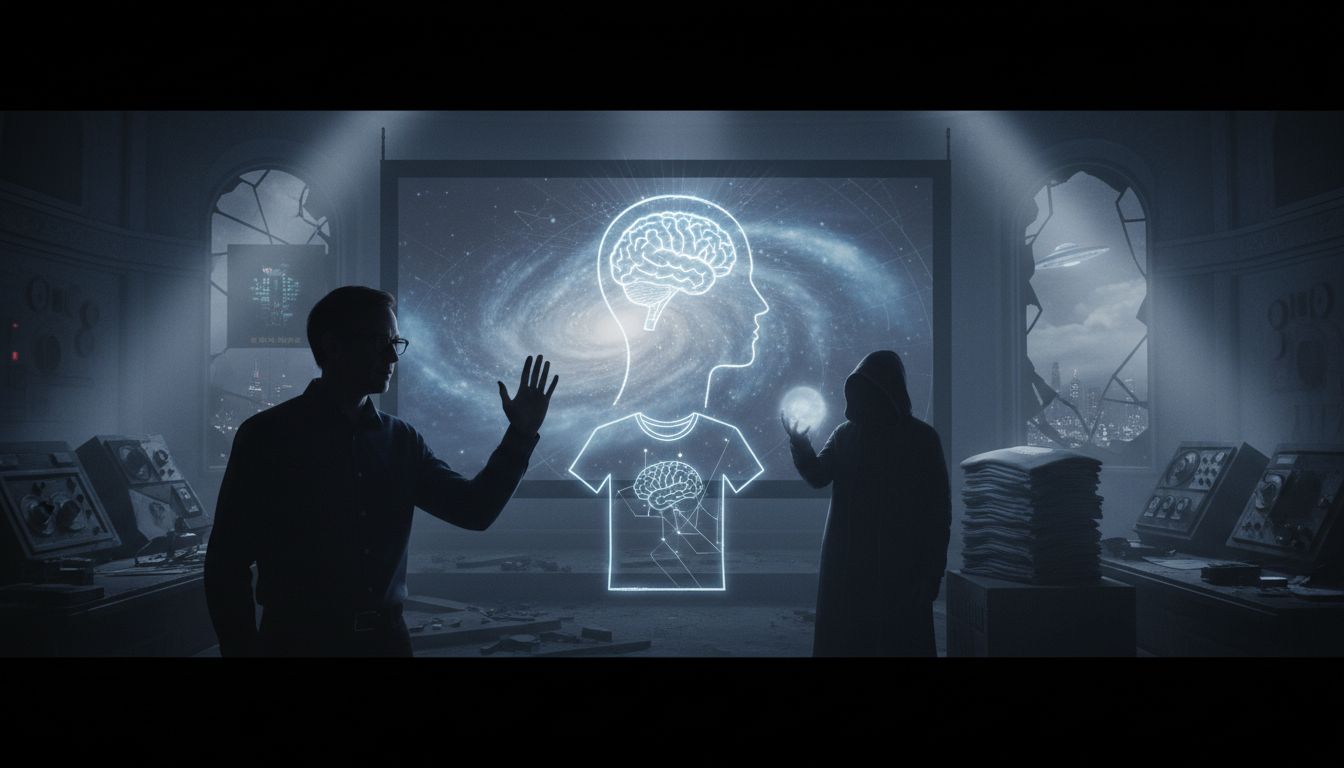
A new podcast series titled The Telepathy Tapes has ignited a wave of enthusiasm—and controversy—by claiming that non‑verbal autistic individuals can read minds. Hosted by Ky Dickens, the ten‑episode, 500‑minute series presents emotional testimonies from families who say their children have accessed a “universal collective consciousness.” The claim has been marketed aggressively; the official website sells “paradigm shifted” t‑shirts for $40 each. Within weeks of its launch in early 2025, the show briefly overtook the Joe Rogan Experience on Spotify’s top‑podcast chart and was later highlighted by Spotify’s editorial team as a “best breakout series of 2025.”
The Core Claim and Its Promotion
Dickens frames the alleged ability as a “paradigm shift,” suggesting that all nonspeaking autistic people possess an innate telepathic faculty that most of humanity has allowed to atrophy. The series draws on informal research conducted by Dr. Diane Hennacy Powell, a Johns Hopkins‑trained neuropsychiatrist who has never submitted her findings to peer‑review. Despite the lack of scientific validation, the project has attracted high‑profile attention. On a February episode of the Joe Rogan Experience, Rogan invited Dickens to discuss the series before a multi‑million‑listener audience. Influencers such as Packy McCormick and author‑investor Scott Britton have also endorsed the show, describing it as a move “past the stranglehold of the dogmatic rational materialist paradigm.”
Scientific Community’s Response
Psychologist Stuart Vyse, a noted expert on pseudoscience, has publicly denounced the series as “unfounded speculation masquerading as research.” In an interview with Scientific American, Vyse warned that “promoting telepathy without empirical evidence not only misleads families seeking hope but also fuels a broader anti‑science sentiment that undermines public trust in legitimate autism research.” He added that the series “exploits genuine challenges faced by autistic individuals for sensationalist profit.” The lack of peer‑review, the reliance on anecdotal evidence, and the commercial merchandising of the claim have all been cited as red flags by mainstream psychologists.
Cultural Resonance and Risks
The appeal of The Telepathy Tapes lies in its narrative of triumph over adversity, a theme that resonates deeply with parents of autistic children confronting bleak prognoses. However, experts caution that such stories can create false expectations. “When families invest emotionally and financially in unverified abilities, they may divert resources from evidence‑based interventions,” notes Dr. Michele Geller, a developmental pediatrician at the University of California, San Diego. Moreover, the podcast’s rapid rise on mainstream platforms illustrates how algorithmic amplification can elevate fringe ideas, a dynamic also observed in other anti‑scientific movements.
Broader Anti‑Science Landscape
The controversy surrounding The Telepathy Tapes reflects a larger pattern of skepticism toward established science, a trend amplified by tech leaders such as Mark Zuckerberg, who has publicly questioned expert consensus on topics ranging from climate change to vaccine safety. Vyse argues that “when influential figures cast doubt on scientific expertise, it creates fertile ground for pseudoscientific claims to flourish.” The podcast’s success, therefore, is not an isolated phenomenon but part of a cultural shift where emotional narratives and celebrity endorsement can outweigh rigorous evidence in shaping public belief.
As the debate continues, the scientific community urges caution, emphasizing that genuine progress for autistic individuals depends on rigorous, peer‑reviewed research rather than sensational claims of telepathic powers.


