Overview
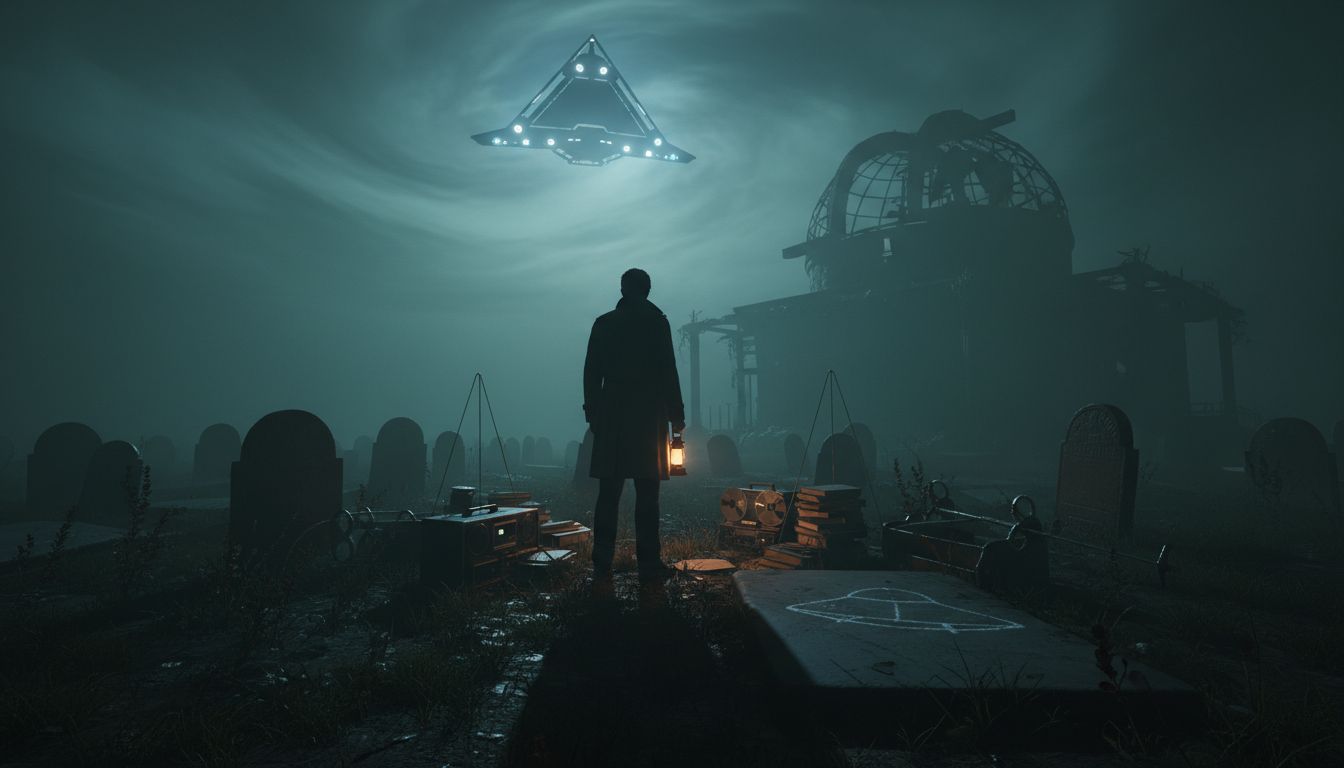
A growing body of observers is drawing attention to a disturbing pattern of untimely deaths among individuals who have publicly pursued the disclosure of unidentified aerial phenomena (UAP). The phenomenon—sometimes called the “whistleblower curse”—spans more than four decades and includes researchers, former military personnel, and government insiders. While most deaths are officially recorded as accidents or natural causes, the frequency and timing of these incidents have prompted renewed calls for a transparent investigation into whether intimidation or cover‑up efforts are at play.
Historical Cases
The earliest widely cited example is the 1987 death of Dr. James McDonald, a respected atmospheric physicist who testified before Congress about unexplained radar contacts. McDonald was found dead in his home from an apparent heart attack, but family members later reported that he had received anonymous threats after his testimony.
In the 1990s, the pattern appeared again. Aerospace engineer John O’Neil, who had briefed senior Pentagon officials on a series of classified UAP sightings, died in a single‑car crash on a remote highway in 1995. The crash was ruled “driver error,” yet O’Neil’s colleagues recalled that he had expressed fear of being followed in the weeks preceding the incident.
More recently, Linda Hargrove, a former CIA analyst who leaked internal memos indicating a secret “Advanced Aerospace Threat Identification Program,” was found dead of an apparent overdose in 2008. Her death was ruled accidental, but an independent review later highlighted inconsistencies in the toxicology report, fueling speculation about foul play.
The most high‑profile case to date is the 2021 fatal automobile collision that killed James McAllister, a retired Air Force pilot who had spoken publicly about a 2014 Navy training exercise that captured multiple radar‑verified objects. McAllister’s vehicle was struck by a truck that fled the scene, and the driver was never identified. The incident was classified as a hit‑and‑run, but the lack of follow‑up investigation raised eyebrows within the UAP community.
Recent Developments
The discussion intensified after the 2023 congressional hearing in which David Grusch, a former intelligence officer, disclosed details of a classified UAP program. Within months, Grusch’s sister reported that he had received “persistent, unsettling contacts” from unknown individuals. Although Grusch remains alive, the episode reignited concerns that those who break the silence may become targets.
A 2025 analysis by the nonprofit UFO Transparency Project catalogued 27 deaths of self‑identified UAP investigators between 1980 and 2024, noting that 12 occurred within a year of a public disclosure. The report stopped short of alleging direct causation but called for a “comprehensive, independent forensic review” of each case.
Expert Analysis
Scientists and journalists caution against jumping to conclusions, emphasizing the need for rigorous evidence. Dr. Jacques Vallee, a pioneer in UFO research, remarked, “Correlation does not equal causation, but the clustering of these events is unsettling and merits systematic scrutiny.”
Former Pentagon official Luis Elizondo, who headed the Advanced Aerospace Threat Identification Program, echoed the sentiment: “If there is a coordinated effort to silence whistleblowers, it would be a grave breach of democratic accountability. Conversely, we must guard against sensationalism that undermines legitimate inquiry.”
Legal scholar Dr. Maya Rosenberg of Georgetown University noted that existing whistleblower protections under the Intelligence Community Whistleblower Protection Act do not extend clearly to “UAP‑related disclosures,” leaving investigators in a legal gray area. She argues that “legislative reform is essential to ensure that anyone exposing potential national‑security‑relevant information can do so without fear of retaliation.”
Looking Ahead
The “whistleblower curse” narrative has galvanized both skeptics and believers, prompting renewed demands for transparency from the Department of Defense and the Office of the Director of National Intelligence. As Congress prepares to vote on the UAP Disclosure Act later this year, lawmakers have pledged to fund an independent task force to examine the circumstances surrounding the deaths of UAP investigators.
Whether the pattern reflects targeted intimidation, tragic coincidence, or a combination of both remains an open question. What is clear, however, is that the growing public appetite for answers is pushing agencies to confront a legacy of secrecy that has long shrouded the skies. The coming months may determine whether the “curse” is a myth or a catalyst for lasting reform.