Overview
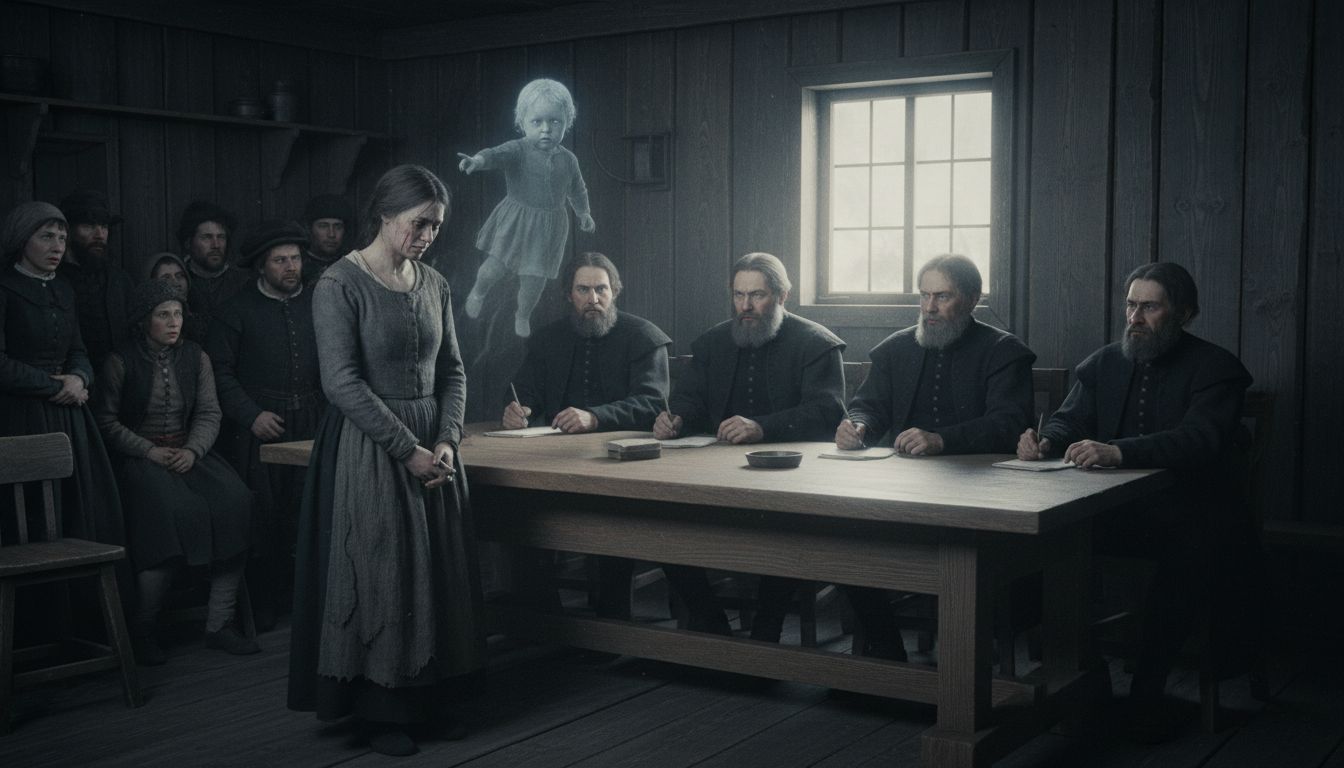
In 1687, reports of a speaking ghost at the Skålvoll farm in Steigen, Nordland, became the basis of a murder accusation against a young servant named Nille Jensdatter. The episode, remembered as the Utburd of Skålvoll or the Nille-case, is one of Norway’s most striking intersections of folklore, religion and criminal justice. According to historical accounts, the spirit was believed to be the ghost of an unbaptized child—and its alleged testimony helped lead to Nille’s arrest, trial and execution.
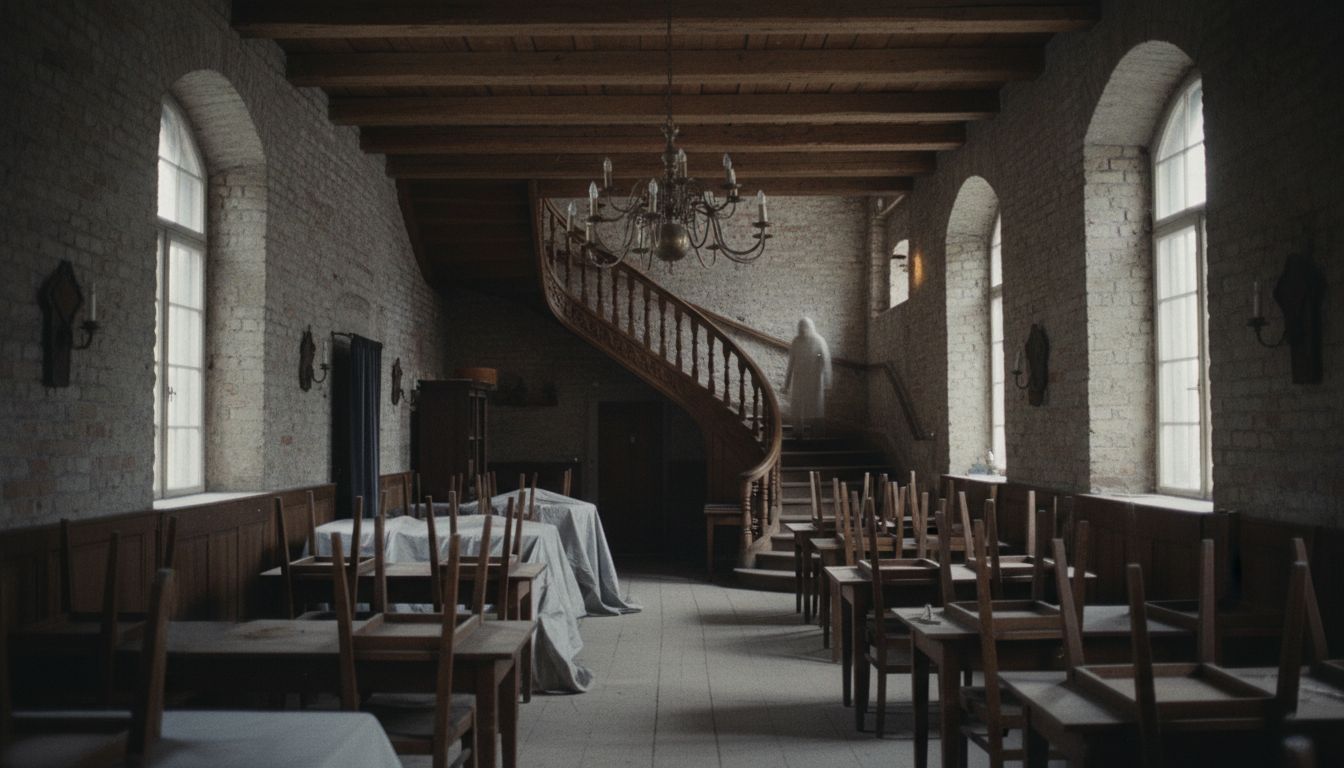
The story centers on an entity that reportedly made itself known through knocking, scraping and cries, rather than through a visible apparition. It was also said to address people by name and accuse Nille of killing her child. In Scandinavian folk belief, an utburd was the restless spirit of an infant who had died without baptism or Christian burial. Such beings were often associated with infanticide, secrecy and unresolved sin.
A Supernatural Witness
The earliest known written account is dated 29 December 1687 and was made by Arent Hartvigsøn, the local priest. In a sworn statement, Hartvigsøn said he had personally witnessed or heard disturbances at Skålvoll. His report described a spirit demanding recognition of its name and insisting that its mother pay for her alleged wrongdoing.
The priest’s testimony was forwarded to officials within the Danish-Norwegian administration, giving the haunting an authority beyond local rumor. The account identified Nille Jensdatter as the accused woman. She had worked as a maid at Skålvoll, near Leines, from approximately 1670 until 1687, before moving to another farm about five kilometers away. Reports of unusual events had apparently begun before her departure.
According to the surviving narrative, Nille had given birth when she was approximately 16 or 17 years old. She was also alleged to have become pregnant by Mads Titing, a married man with whom she worked. The details of the relationship and the child’s death were filtered through testimony, religious assumptions and the supernatural claims attributed to the alleged spirit, making it difficult to separate documented evidence from later tradition.
Law, Belief and Punishment
What made the Nille-case exceptional was that the haunting reportedly entered the legal process. In a society where religious belief shaped public life and judicial thinking, claims of supernatural knowledge could be treated with considerable seriousness. The ghost was not merely described as an omen; it was presented as an accuser and witness.
Later accounts state that Nille was ultimately beheaded despite the absence of conventional proof, with the alleged haunting playing a significant role in the case against her. The episode was subsequently remembered as an example of how fear, communal pressure and belief could influence criminal justice. It also reportedly contributed to changes in royal policy and legal practice concerning executions carried out without sufficient evidence.
The poet and clergyman Petter Dass referred to the case critically, writing of “A Devil” who “spoke loudly” and questioning how much a “crazy mob” would believe. His verses suggest that even in the period itself, some observers viewed the affair as a warning about credulity and collective hysteria.
Historical Significance
The Skålvoll story cannot establish that a ghost testified in court. It does, however, document how supernatural claims could acquire institutional power in early modern Norway. Whether the disturbances arose from deception, rumor, psychological distress or sincere belief, the consequences were real: a woman was condemned, and a haunting became part of the historical record.