Overview
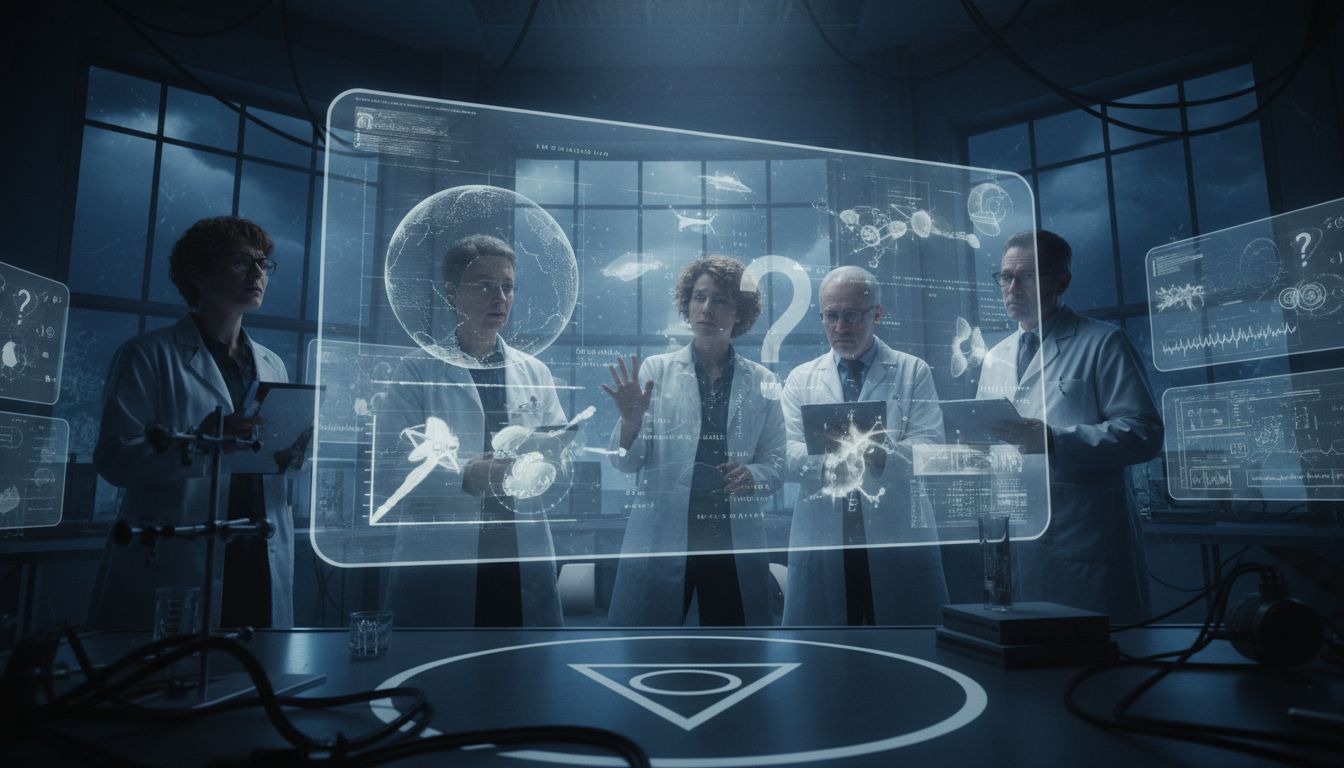
A coalition of scholars from the Society for UAP Studies is concluding an international conference that seeks to lay the groundwork for a new, academically rigorous discipline focused on unidentified anomalous phenomena (UAPs)—the term now preferred over “UFO.” The gathering, held Dec. 4‑6, brought together philosophers, physicists, legal scholars and historians from dozens of institutions to discuss how to study reports of aerial sightings, sensor anomalies and related events using established scientific methods. While the participants stop short of endorsing any extraterrestrial explanation, they argue that the persistent lack of conclusive data warrants systematic inquiry rather than dismissal.
Academic Motivation
Society co‑founder and president Michael Cifone, a philosopher of science with a Ph.D. from the University of Maryland, described his interest as the “empirical weird”—phenomena that sit at the intersection of the measurable and the speculative, ranging from paranormal claims to UAP sightings. Cifone, now a research fellow at Friedrich‑Alexander University’s Center for Alternative Rationalities in Global Perspectives, emphasized that “our skill is in establishing a framework so we’re not simply speculating, but situating it within historical, cultural and scientific contexts.” His counterpart, philosophy professor Michael Silberstein of Elizabethtown College, echoed the sentiment, noting that a disciplined approach could clarify which cases merit deeper investigation and which are best explained by conventional physics or human error.
Methodological Challenges
One of the conference’s central debates centered on the inability to replicate UAP observations in a laboratory setting. Researchers argued that, unlike controlled experiments, UAP data often come from radar logs, pilot testimonies, or low‑resolution video, requiring interdisciplinary collaboration to assess credibility, sensor fidelity and environmental factors. To address these hurdles, the Society proposes a tiered protocol: initial cataloguing of incidents, forensic analysis of sensor data, and, where possible, coordinated field observations with aerospace agencies. The aim is to apply the same peer‑review standards used in astrophysics or climate science, thereby separating “noise” from phenomena that truly challenge existing models.
Context Within the Broader Debate
The push for academic legitimacy arrives amid heightened public and governmental interest in UAPs. Recent releases of Pentagon‑unclassified videos and congressional hearings have spurred calls for transparency, yet the scientific community remains divided. Cifone stressed that “we’re not necessarily taking a position on whether UAPs are evidence of extraterrestrial life,” but that ignoring the data altogether undermines the scientific method. By framing UAPs as a multidisciplinary research problem, the Society hopes to bridge the gap between sensational media coverage and sober scholarly analysis.
Looking Ahead
The conference concluded with a consensus to draft a “UAP Research Charter” that would outline ethical guidelines, data‑sharing agreements, and funding pathways for future studies. The Society plans to publish a peer‑reviewed anthology of case studies by mid‑2026 and to seek collaborations with agencies such as NASA and the Department of Defense. As Cifone put it, “If we treat these reports with the same rigor we apply to any anomalous observation, we either advance our understanding of atmospheric physics, sensor technology, or, in the unlikely event, discover something truly novel.” Until such evidence emerges, the academic community remains cautiously curious, demanding rigorous, reproducible evidence before drawing any definitive conclusions about extraterrestrial life.


