Eileen Reeser — a longtime resident of Berks County and self‑described “ghost enthusiast” — has turned the historic Brinton Lodge into a year‑round destination for anyone interested in the overlap of local history and the paranormal. The former gentleman’s club, built in the early 20th century and located about an hour’s drive from Philadelphia, now hosts guided tours that blend documented facts with the stories that have made the property a staple of regional folklore. Tickets, priced at $24 per person, include a walk through the lodge’s original ballroom, the cellar where illegal liquor was once stored, and several rooms that guides claim are “hot spots” for residual energy.
The lodge’s notoriety dates back to the Prohibition era, when Caleb Brinton operated an illegal speakeasy on the premises. Brinton, along with several other patrons, died inside the building under circumstances that remain unclear, fueling rumors that their spirits linger. Reeser recalls her first encounter with what she described as “a dark, shadowy figure roaming the halls,” a moment that frightened her enough to call the previous owner for reassurance. “She said, ‘You’re going to see that from time to time,’” Reeser told Axios, underscoring how the lodge’s reputation has been passed down through successive caretakers. While the anecdote is anecdotal, it illustrates why the site attracts both casual thrill‑seekers and researchers who use electromagnetic field (EMF) meters and other equipment during the tours.
Beyond the Prohibition story, the lodge is a focal point for a lesser‑known chapter of Pennsylvania’s religious history. Tour guide Paula Hogan explains that the area around Brinton Lodge once hosted the Battle Axes, a 19th‑century cult founded by traveling evangelist Theophilus Ransom Gates. Gates, who began his publishing career in Philadelphia, later established the sect in nearby East Coventry Township. The group’s unconventional teachings—including polyamory and nudism—earned the region the moniker “Free Love Valley,” a name still promoted on the lodge’s website. After Gates’ death in 1846, a gruesome, unsolved murder of a Battle Axe member—found nearly decapitated in her bedroom—contributed to the cult’s rapid decline. The combination of illicit alcohol, cult activity, and violent death has cemented the lodge’s place in local mythmaking.
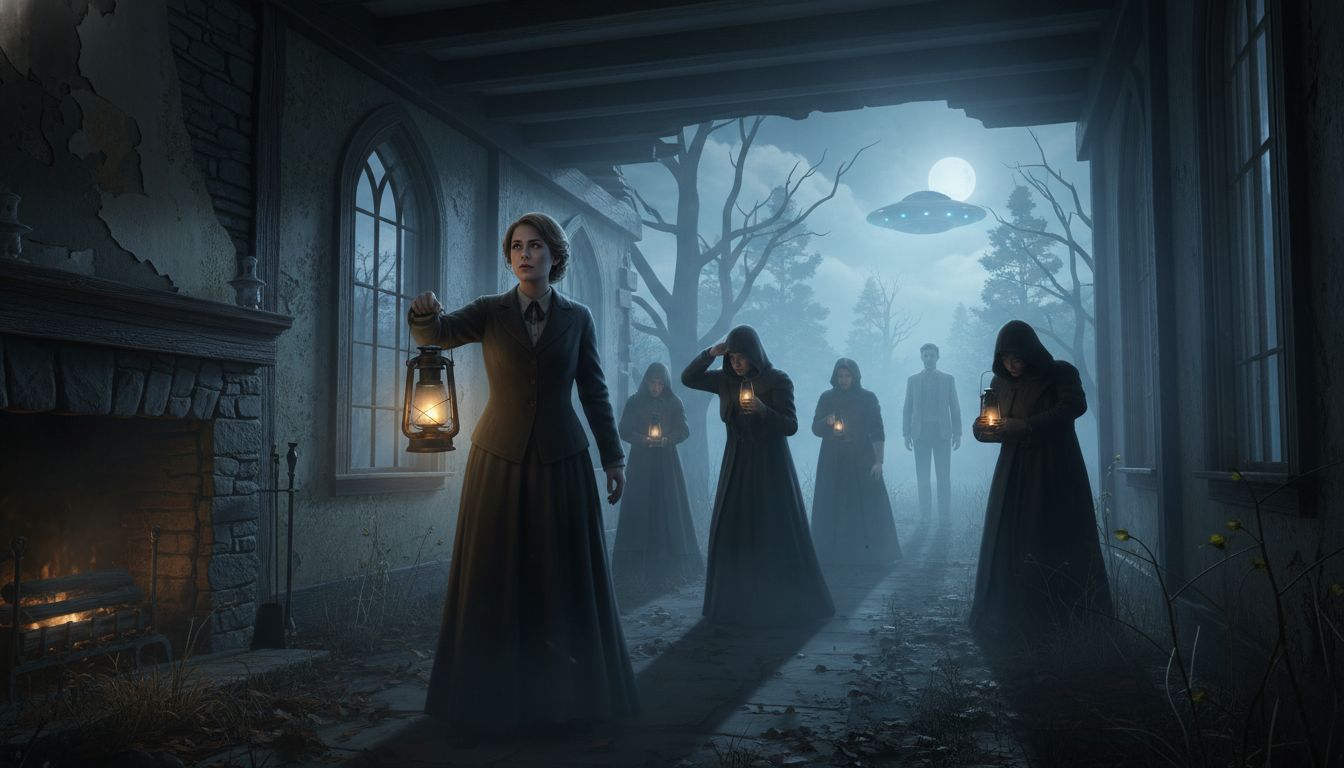
Reeser’s enterprise, operated under the umbrella of Ghost Tours, extends beyond Brinton Lodge to other haunted sites across the Philadelphia region. The company supplies participants with EMF devices and encourages a “full ghost‑hunter mode,” though experiences vary. Isaac Avilucea, who visited the lodge with his girlfriend earlier this month, reported that while no apparitions materialized, several members of their group felt “dark energies” and noted a sudden warmth in specific rooms. Such subjective sensations are common in paranormal investigations, and researchers caution that environmental factors—temperature fluctuations, drafts, and the power of suggestion—can influence perceptions.
The growing popularity of Brinton Lodge reflects a broader trend in heritage tourism, where visitors seek immersive experiences that combine education with an element of the uncanny. Local historians appreciate that the tours bring attention to the building’s architectural details and its role in Prohibition‑era smuggling networks, while also preserving the oral histories that keep the stories of Caleb Brinton and the Battle Axes alive. As Reeser puts it, “It’s not just about scares; it’s about connecting people to a piece of Pennsylvania’s past that’s often overlooked.” Whether one arrives expecting a chill down the spine or a deeper understanding of the region’s social history, the lodge offers a rare window into the layered narratives that continue to haunt the American landscape.