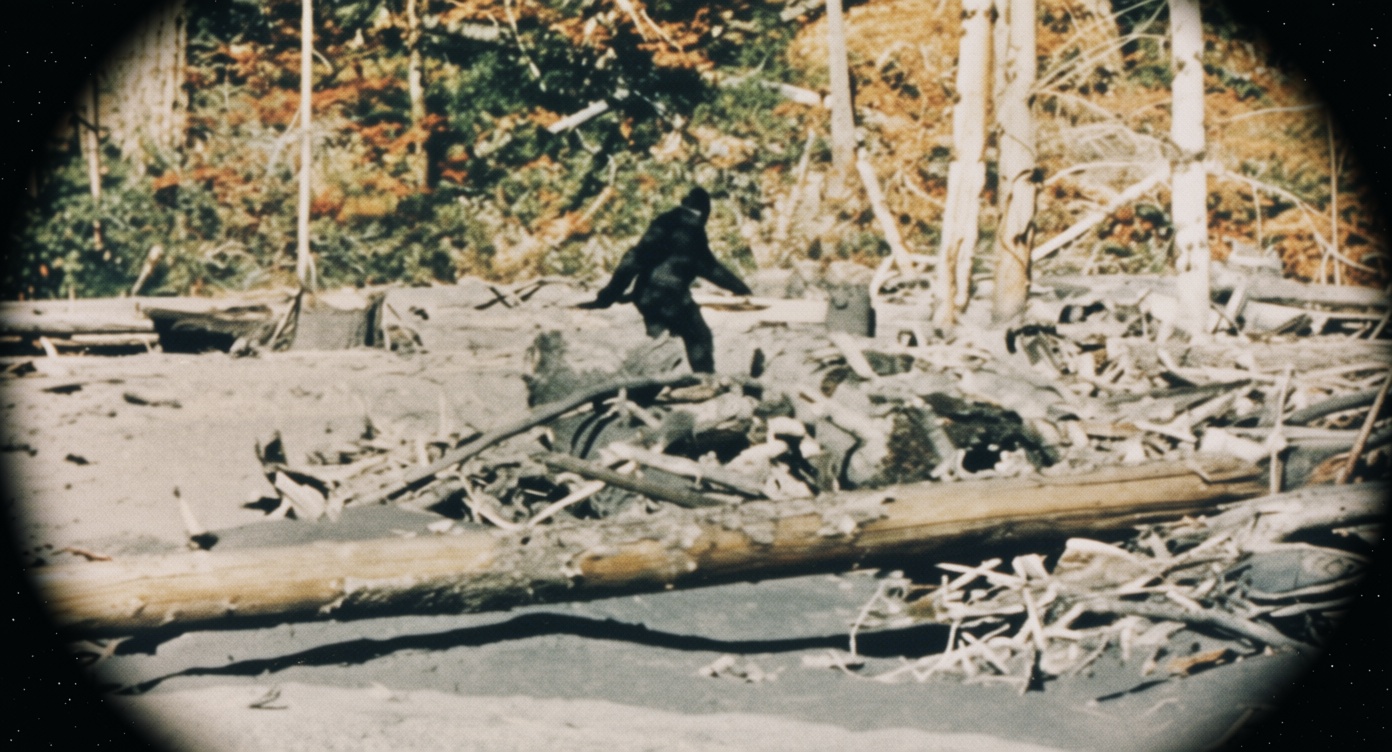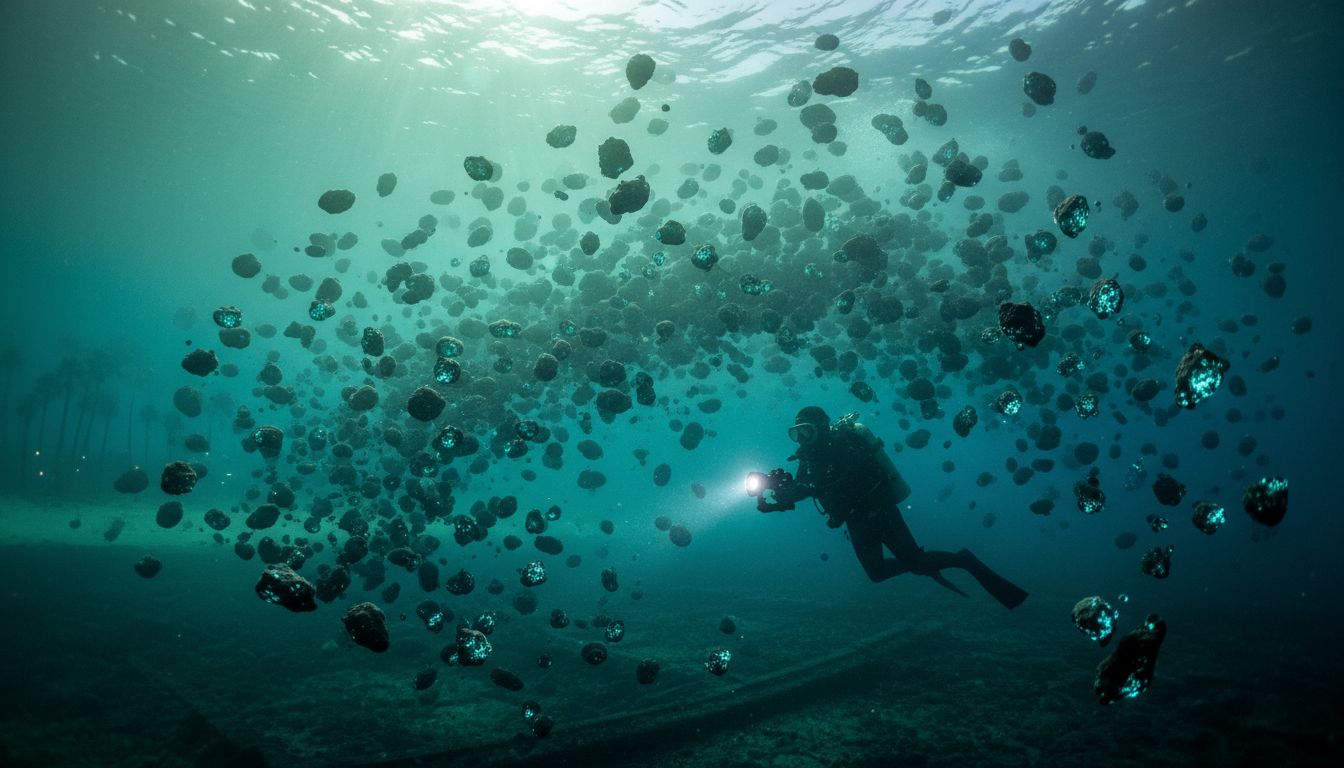
The video that has been circulating on social‑media platforms shows a series of luminous, disc‑shaped objects moving at varying depths along the Atlantic and Pacific coasts of the United States. The footage, first highlighted by Surfer magazine on November 4, was captured by a network of underwater cameras installed by local marine‑research groups and commercial divers. In the clip, dozens of bright points appear to glide in formation, sometimes disappearing into the murk before re‑emerging hundreds of meters away. The editors of Surfer describe the phenomenon as “thousands of anomalous objects” and note that the images have prompted a small team of independent investigators to label the sightings as potential unidentified anomalous phenomena (UAP), a term the Pentagon now uses for what were once called UFOs.
The undersea observations come at a time when the U.S. government has been publicly acknowledging the need to study unexplained aerial and, increasingly, submerged encounters. In June 2023, the Office of the Director of National Intelligence released a preliminary assessment that identified 144 UAP incidents, many of which involved radar‑visible objects that defied conventional flight characteristics. While most of those reports focused on the skies, the Department of Defense’s Unidentified Aerial Phenomena Task Force has recently expanded its remit to include “unidentified submerged phenomena,” citing the growing number of reports from naval vessels and offshore platforms. A spokesperson for the task force, Lt. Cmdr. Maya Patel, said, “We are collecting data from all domains—air, space, land, and sea—to develop a comprehensive understanding of any potential threats or scientific opportunities.”
Researchers who have examined the Surfer video are cautious about drawing definitive conclusions. Dr. Elena Ramirez, a marine biologist at the Scripps Institution of Oceanography, noted that bioluminescent organisms can produce bright, coordinated displays under certain conditions, but she added, “The scale and synchronized movement observed in this footage are not typical of known biological patterns.” Conversely, Dr. Aaron Lee, an aerospace engineer who volunteers with the civilian UAP research group CUFOR, argues that the objects’ apparent velocity changes and abrupt directional shifts suggest a level of propulsion that exceeds current underwater vehicle capabilities. “If these are man‑made, they would represent a significant leap in autonomous underwater technology,” Lee said, “but we lack corroborating telemetry or acoustic signatures to confirm that hypothesis.”
The video also raises practical questions about data verification and source reliability. The underwater cameras were part of a citizen‑science initiative funded by a coastal conservation nonprofit, and the raw footage has not yet undergone peer‑reviewed analysis. Moreover, the original upload did not include metadata such as depth, GPS coordinates, or timestamps, complicating efforts to triangulate the sightings with other sensor data. The Navy’s Atlantic Fleet has declined to comment on whether any of its sonar logs correspond with the visual anomalies, citing operational security. Nonetheless, the incident has spurred calls for a coordinated, multi‑agency approach that would integrate oceanographic sensors, naval sonar, and satellite imaging to create a more robust picture of undersea activity.
While speculation abounds, experts agree that the phenomenon warrants systematic study rather than sensational headlines. The National Oceanic and Atmospheric Administration (NOAA) announced a preliminary plan to allocate funding for “unidentified submerged object” research in its 2026 budget, emphasizing the potential implications for maritime safety, national security, and scientific discovery. As Dr. Ramirez summed up, “Whether these are novel marine life, experimental technology, or something else entirely, the fact that they are observed across multiple coastlines suggests a pattern that deserves rigorous investigation.” Until more data are gathered and independently verified, the mysterious lights beneath the waves will remain an intriguing, if unresolved, chapter in the broader UAP discourse.