Overview
A cruise-ship passenger has captured a mysterious green shape beneath the waters of Loch Ness, adding a fresh entry to the long-running catalogue of alleged Nessie encounters at Scotland’s most famous lake. The photo was taken by Sharon Herbert, who was aboard a tour boat when she noticed the unusual form below the surface and snapped an image that quickly drew interest from Loch Ness watchers. According to the Official Loch Ness Monster Sightings Register, the picture is being treated as the sixth possible on-site Nessie encounter of 2026, underscoring how the legend continues to generate attention from visitors and investigators alike.
What the image shows
The newly circulated photo reportedly captures a green, mass-like shape visible beneath the water, though its exact nature remains unclear. As with many Loch Ness reports, the image is intriguing precisely because it is difficult to interpret from a single frame. Loch Ness’s dark, reflective waters, variable weather, and shifting light conditions often make it challenging to assess whether an object is biological, geological, or simply an optical illusion. That uncertainty has long been central to the lake’s allure, allowing even modest sightings to prompt renewed debate about whether something unusual may be lurking below the surface.
The sighting has now been logged by the official register, which serves as a record-keeping body for reported Nessie encounters rather than a confirmation authority. While the organization does not authenticate such claims as evidence of a monster, its tally helps track the steady stream of reports that continue to emerge from the loch each year. The fact that this is described as the sixth possible on-site encounter of 2026 suggests that interest in Nessie remains robust, particularly during the busy tourist season when boats, cameras, and curious observers converge on the water.
Loch Ness as a living mystery
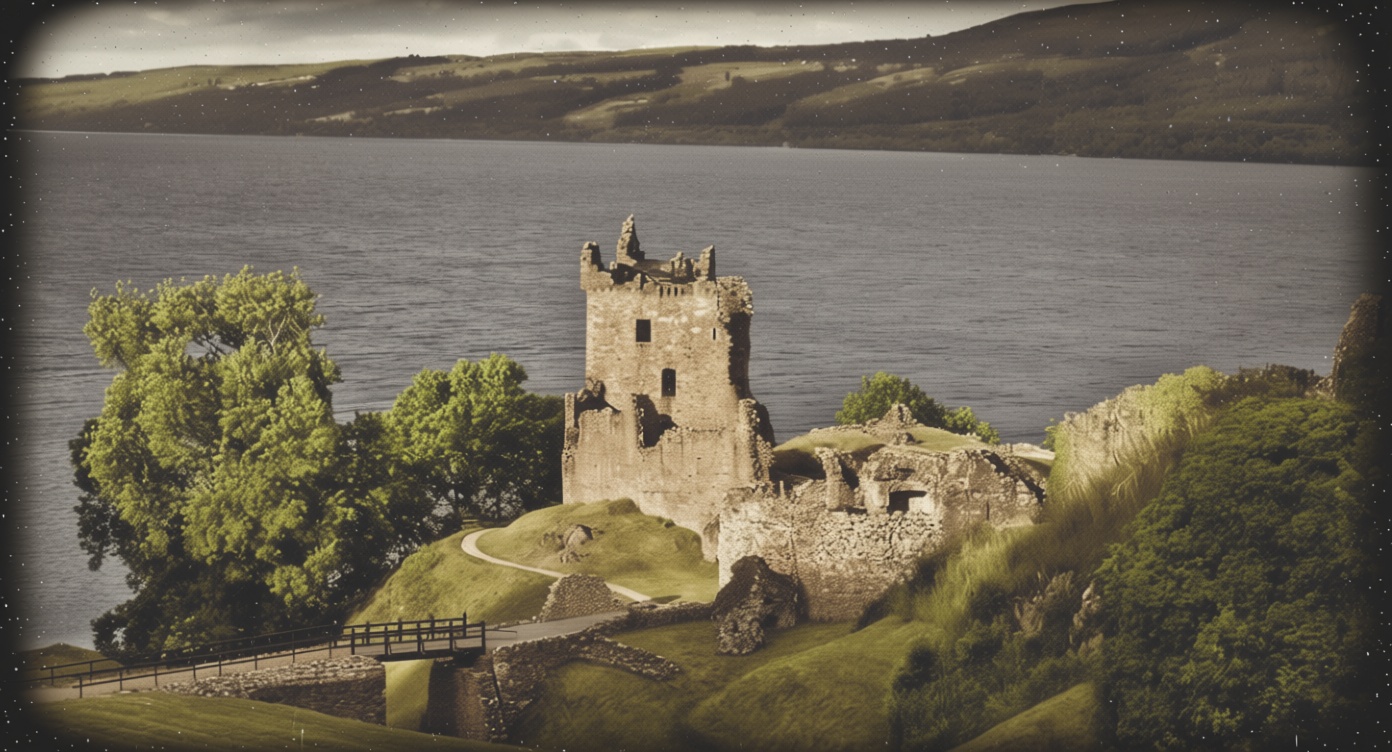
Loch Ness remains one of the world’s most recognizable paranormal and cryptozoological landmarks, and reports like Herbert’s continue to feed its reputation as a place where folklore and modern media intersect. The lake’s size, depth, and reputation have made it a natural magnet for speculation for nearly a century, and every new image or eyewitness account tends to revive familiar questions about what people are actually seeing. Even when explanations are mundane, the cultural significance of the location ensures that each report receives outsized attention.
Broader interest in Nessie research
The latest sighting comes amid renewed discussion of Loch Ness lore, including a review of the refreshed book Loch Ness Enigma and an interview with Loch Ness researcher Roland Watson. Together, those items highlight how the Nessie phenomenon is sustained not only by eyewitness reports but also by an active community of authors, historians, and amateur investigators who continue to study the legend from different angles. Watson has long been among the more prominent voices keeping the subject in the public eye, and the renewed attention to his work suggests that the mystery remains commercially and culturally viable well beyond the occasional viral photo.
For now, Herbert’s image joins a familiar archive of ambiguous Loch Ness encounters: compelling enough to spark curiosity, yet inconclusive enough to remain open to interpretation. That balance — between evidence and enigma — is precisely what has kept Nessie in the headlines for generations.